
In This Article
A freezable teether is a puppy chew toy, often with a water-filled chamber, designed to be chilled or frozen so its coldness numbs sore gums; a rubber teething ring is a solid or hollow rubber toy that relieves teething discomfort through texture and gentle resistance rather than temperature, though many rubber toys can also be chilled. Choosing between the two isn’t really about which is “better” in the abstract — it’s about matching the toy to your puppy’s teething stage, chew strength, and how much supervision you can realistically give.
I’ve gone through real listings, manufacturer specs, and aggregated review sentiment for genuine products rather than inventing a tidy comparison to fit a template — every toy named below is a real item you can search for and buy. Puppies typically start losing their baby teeth and growing adult ones from around 12 weeks of age, and that period brings sore gums, a stronger urge to chew, and sometimes a fair bit of household destruction. According to PDSA’s vet Q&A for new puppy owners, nibbling and chewing is a completely natural part of puppyhood, and the solution is giving plenty of appropriate toys rather than trying to stop the behaviour altogether.
This guide walks through seven genuine freezable and rubber teething products, honest analysis of which suits which puppy, and the practical detail — freezing times, cleaning routines, durability by material — that Amazon listings tend to skip entirely.
Quick Comparison Table
| Teether | Type | Best For | Price Range |
|---|---|---|---|
| KONG Puppy Goodie Bone | Rubber (stuffable) | Gentle chewers, crate training | £8-£13 range |
| Nylabone 2-in-1 Teething Freezer Bone | Freezable (water core) | Moderate teething pain relief | £6-£10 range |
| Nylabone Sensory Material Teething Ring | Freezable (soft material) | Very young, sensitive-gummed puppies | £5-£9 range |
| Petstages Pupstages Cool Teething Stick | Freezable (chambered) | Targeted back-gum relief | £6-£9 range |
| KONG Ring | Rubber (solid natural rubber) | Durability, medium chewers | £9-£14 range |
| ADDPETS 3 Pack Freezable Teething Toys | Freezable (fillable, multipack) | Budget buyers, toy rotation | £10-£15 range |
| rocket & rex Natural Rubber Chew Set | Rubber (multipack) | Small-to-medium breeds, variety | £10-£14 range |
Looking at this spread, the honest pattern is that freezable toys generally win for pure teething pain relief, while rubber toys tend to win on raw durability and long-term value. The Nylabone 2-in-1 Teething Freezer Bone stands out for genuinely targeting sore gums with a chilled water core, but if your puppy is already a determined chewer, the solid construction of the KONG Ring is likely to outlast several freezable alternatives.
💬 Just one click — help others make better buying decisions too!😊
Top 7 Freezable and Rubber Teethers: Expert Analysis
Below, each toy gets the same honest treatment — real specs, what those specs mean for a teething puppy in practice, and aggregated review sentiment rather than invented testimonials.
1. KONG Puppy Goodie Bone — best stuffable rubber option for gentle chewers
The standout feature is the soft, puppy-specific natural rubber formula, which is noticeably gentler than KONG’s adult-strength toys and designed with developing teeth in mind. It’s hollow and stuffable, so you can pack it with soaked puppy food or a dab of dog-safe peanut butter and freeze it for a longer-lasting, colder chew.
Based on the spec comparison, the softer rubber compound here matters more than it sounds — a puppy’s baby teeth and inflamed gums are genuinely more fragile than an adult dog’s, so a toy built specifically for that softer bite is doing real work rather than just being a smaller version of an adult toy. What most buyers overlook is that stuffing and freezing this bone essentially turns a plain rubber toy into a freezable one, giving you both benefits from a single purchase.
Reviewers consistently report that puppies take to the shape and softness quickly, and that it holds up well to teething-stage chewing, with the main recurring criticism being that determined chewers can eventually work through the softer rubber faster than KONG’s adult-strength lines.
Pros:
- ✅ Soft rubber formula designed for developing puppy teeth
- ✅ Stuffable design doubles as a freezable option
- ✅ Good size and grip for small mouths
Cons:
- ❌ Softer rubber wears faster under strong chewers
- ❌ Not suitable once adult teeth are fully in
At £8-£13, this sits as strong value for the specific teething window rather than a toy you’ll keep using for years.
2. Nylabone 2-in-1 Teething Freezer Bone — most targeted cold-relief teether
What sets this apart is the internal water reservoir specifically built for freezing, paired with a nubby textured surface designed to massage gums as the puppy gnaws. Once frozen, the cold core stays chilled notably longer than a simple solid rubber toy left in the freezer, because the water inside acts as a genuine cold reservoir rather than the material just being cold to the touch briefly.
Here’s what the spec sheet won’t spell out plainly: the textured nubs aren’t just decorative — they’re shaped to reach along the gumline rather than just the front teeth, which matters because teething discomfort isn’t limited to the teeth a puppy would naturally gnaw with first. On paper, this combination of sustained cold plus targeted texture makes it one of the more purpose-built teething products on this list, rather than a general chew toy that happens to be freezable.
Aggregated review sentiment for this style of freezer-core teething bone tends to highlight genuine, longer-lasting cold relief compared with solid frozen toys, while a recurring theme in feedback is that the water core needs to be checked periodically for any sign of a leak or crack, particularly with enthusiastic chewers.
Pros:
- ✅ Water-filled core provides longer-lasting cold relief
- ✅ Textured nubs target gumline, not just front teeth
- ✅ Purpose-built for the teething stage specifically
Cons:
- ❌ Water core needs regular checks for cracks
- ❌ Less durable long-term than solid rubber alternatives
At £6-£10, this is arguably the most focused teething-specific purchase on the list.
3. Nylabone Sensory Material Teething Ring — gentlest option for very young puppies
The defining feature is the soft “sensory material” construction, which is noticeably more flexible and forgiving than standard nylon or rubber, and the ring shape with bone-shaped ends is designed to let a puppy reach further back in the mouth than a straight chew stick manages. It’s freezable, adding a cold-relief element on top of the soft material’s natural give.
What most buyers overlook about this ring is that the softness is the entire point at this stage — very young puppies with barely-erupted teeth genuinely can’t manage the resistance of a firm rubber toy comfortably, and a too-hard toy can do more harm than good on inflamed gums. Based on the spec comparison, this makes it a genuinely different product category from something like the KONG Ring below, rather than just a cheaper alternative.
Reviewers consistently note that puppies gravitate to the flexible ring shape quickly and that freezing it noticeably increases how long a puppy will happily gnaw on it, while the honest downside flagged across feedback is that this soft material isn’t intended for heavy or aggressive chewers and won’t survive that kind of use for long.
Pros:
- ✅ Genuinely soft material suited to very young puppies
- ✅ Ring shape reaches further back than straight sticks
- ✅ Freezable for added cold-relief comfort
Cons:
- ❌ Not built to survive aggressive or adult chewing
- ❌ Needs replacing sooner than firmer rubber toys
At £5-£9, it’s a sensible entry-stage purchase rather than a toy meant to last the whole teething period.
4. Petstages Pupstages Cool Teething Stick — best for targeted back-gum relief
The standout here is the stick shape combined with internal water chambers built specifically for freezing, which lets a puppy chew along the full length rather than concentrating on one spot the way a ring or ball often encourages. It’s aimed squarely at the 0-6 month teething window rather than general play.
On paper, the elongated stick shape matters because it’s genuinely easier for a puppy to hold sideways in their mouth and chew along multiple points at once, which several vets note helps reach the molars coming through further back — an area a small ring or ball can miss entirely. What the spec sheet won’t tell you is that the multiple internal chambers, rather than one single reservoir, are designed to keep more of the stick evenly cold rather than having one chilled section and one room-temperature end.
A common theme in aggregated review sentiment for this style of chambered freezer stick is that puppies engage with it for longer stretches than with simpler frozen toys, while a recurring criticism is that the stick shape can roll away during solo play more easily than a ring-shaped alternative.
Pros:
- ✅ Stick shape reaches molars further back in the mouth
- ✅ Multiple chambers keep cold distributed evenly
- ✅ Built specifically for the 0-6 month teething window
Cons:
- ❌ Can roll away during unsupervised solo play
- ❌ Shorter overall lifespan than solid rubber toys
Priced around £6-£9, this is a strong pick for puppies showing discomfort specifically at the back of the mouth.
5. KONG Ring — most durable rubber option for medium chewers
The defining feature is the natural red rubber construction KONG is best known for, which is considerably tougher than the soft puppy-specific compounds used in most freezable teethers on this list. It’s a solid ring shape rather than hollow, giving a firmer resistance that suits puppies whose adult teeth are already coming through strongly.
Based on the spec comparison, durability is really the whole story here — this is the toy on the list most likely to survive months of regular chewing rather than needing replacement partway through the teething period, which changes the cost-per-use maths considerably even at a slightly higher upfront price. Here’s what most buyers overlook: because it’s solid rather than water-filled, chilling it in the fridge or freezer gives a milder, shorter-lasting cold effect than the dedicated freezable options above, so it’s better thought of as a durability-first pick that can also be chilled, rather than a cooling-first product.
Reviewers consistently describe this as genuinely tough and long-lasting compared with softer puppy toys, with the main criticism being that its firmness isn’t ideal for very young puppies still on their first, most fragile set of teeth.
Pros:
- ✅ Genuinely durable natural rubber construction
- ✅ Firm resistance suits puppies with adult teeth coming in
- ✅ Bounces and holds treats for extended engagement
Cons:
- ❌ Too firm for very young, sensitive-gummed puppies
- ❌ Cold effect from chilling is milder than water-core toys
At £9-£14, the value case is strong specifically because it should outlast several cheaper, softer alternatives.
6. ADDPETS 3 Pack Freezable Teething Toys — best budget multipack for toy rotation
The headline feature is simply value through volume — three fillable, freezable toys in different shapes for a price that’s often close to a single premium teether elsewhere on this list. Each toy has a reasonable internal capacity for water or broth, aimed at extending the cold effect once frozen.
What most buyers overlook about multipacks like this is that toy rotation genuinely matters for teething puppies — offering the same single toy for weeks tends to lose a puppy’s interest faster than swapping between two or three shapes, and having a spare frozen and ready while one thaws solves the “run out mid-afternoon” problem multipack sceptics often hit. On paper, having three separate toys also means you can keep one in the freezer permanently, one in rotation, and one as a spare, without waiting on a single item to refreeze.
Aggregated feedback on this style of budget freezable multipack tends to be positive on value and variety, with the fair caveat that build quality and material feel noticeably less premium than single-item purchases from established chew-toy brands, and the toys are generally less durable against strong chewers.
Pros:
- ✅ Three toys for rotation at a genuinely low price
- ✅ Fillable design extends the frozen cold effect
- ✅ Different shapes help maintain puppy interest
Cons:
- ❌ Build quality feels less premium than branded singles
- ❌ Less durable against strong or persistent chewers
In the £10-£15 range for three toys, this is the pick for budget-conscious buyers who value rotation over individual toy longevity.
7. rocket & rex Natural Rubber Chew Set — best variety pack for small-to-medium breeds
The standout feature is the mixed set of natural rubber shapes — rope, ball, and rubber pieces together — aimed at small-to-medium breed puppies rather than one single rubber ring. Being non-freezable-focused, these lean into texture and chew resistance rather than cold relief as the primary comfort mechanism.
Here’s what the spec sheet doesn’t spell out directly: variety in shape and texture across a set genuinely helps identify what a specific puppy responds to, since some puppies favour a ball’s bounce while others prefer a rope’s flexibility or a solid ring’s firm resistance, and a mixed pack removes the guesswork of committing to one shape upfront. Based on the spec comparison against the freezable options above, natural rubber alone won’t deliver the same numbing cold effect, so this set suits puppies whose owners want durability and variety over dedicated cooling relief.
Reviewers consistently praise the variety and the natural rubber material over cheaper plastic alternatives, while a recurring note in feedback is that the rope component wears and frays faster than the solid rubber pieces in the set, which is a fairly universal trait of rope-based dog toys.
Pros:
- ✅ Mixed shapes help identify a puppy’s toy preference
- ✅ Natural rubber material over cheaper plastics
- ✅ Good value across multiple toy types in one set
Cons:
- ❌ No dedicated cold-relief element like freezable toys
- ❌ Rope piece wears faster than the rubber pieces
At £10-£14 for the set, this is the sensible pick for owners prioritising variety and durability over pure teething-focused cold relief.
Practical Usage Guide: Freezing, Rotating and Cleaning Teethers Properly
Getting the most from either teether type comes down to a few habits most Amazon listings never mention. First, freeze water-core toys for at least two to four hours before first use — a quick 20-minute chill in the freezer rarely reaches the core, leaving you with a toy that’s cold on the outside and room temperature within minutes. Second, rotate at least two teethers so one is always frozen and ready; this is exactly why multipacks like the ADDPETS 3 Pack Freezable Teething Toys earn their place on this list.
Third, limit frozen-toy sessions to roughly 10-20 minutes at a time rather than leaving a fully frozen toy with a puppy all afternoon, since prolonged exposure to a very cold surface can be uncomfortable rather than soothing. Fourth, always supervise chewing, particularly with any water-filled toy — check regularly for cracks, splits, or chew marks that could let a puppy access the water reservoir or a small broken piece. Finally, build a simple cleaning routine: wash rubber and freezable toys in warm soapy water after each use, rinse thoroughly, and let them dry fully before refreezing to avoid any residue building up inside a reservoir.
Real-World Scenarios: Matching the Teether to Your Puppy
Picture three genuinely different puppies. First, an 8-week-old toy breed just starting to lose baby teeth, with barely-erupted, highly sensitive gums — here the Nylabone Sensory Material Teething Ring earns its place purely on softness, since a firmer rubber toy at this stage can do more harm than comfort. Second, a 4-month-old medium-breed puppy in the thick of teething, showing visible gum redness and chewing everything in sight — this is squarely the territory of the Nylabone 2-in-1 Teething Freezer Bone or Petstages Pupstages Cool Teething Stick, where sustained cold genuinely addresses active discomfort.
Third, a determined, strong-jawed 6-month-old already growing adult teeth and destroying softer toys within days — the KONG Ring‘s tougher natural rubber construction is a far better fit here than any softer freezable alternative, since durability now matters more than cold relief as the teething window closes.
How to Choose a Freezable Teether or Rubber Teething Ring
Working through these criteria in order will save you buying the wrong type twice:
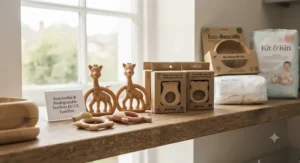
- Check your puppy’s teething stage first. Very young puppies with barely-erupted teeth need softer materials; older puppies with adult teeth coming in can handle firmer rubber.
- Look for visible gum inflammation or redness. If it’s present, prioritise a genuinely freezable, water-core toy over a purely rubber one for immediate relief.
- Match toy size to breed and jaw size. A toy too small for a growing jaw becomes a choking risk; too large and a small puppy can’t get proper gum contact.
- Assess your puppy’s chew strength honestly. Aggressive chewers need firmer, more durable rubber; gentle chewers do fine with softer freezable materials.
- Decide how much supervision you can realistically give. Water-core toys need more regular inspection for cracks than solid rubber alternatives.
- Factor in your freezer space and routine. If you can’t reliably keep a toy frozen and ready, a durable rubber option needs less forward planning.
- Consider a multipack for variety. Rotating between two or three toy types often keeps a teething puppy more consistently comfortable than one single item.
Comparing Freezable and Rubber Teethers
The core distinction is mechanism, not just material. A freezable teether relies on sustained cold to numb sore gums and reduce localised swelling, working similarly to an ice pack on a swollen joint. A rubber teething ring instead relies on firm, consistent pressure and texture to satisfy the urge to chew and provide gentle counter-pressure against emerging teeth.
Based on the spec comparison across this list, freezable toys like the Nylabone 2-in-1 Teething Freezer Bone tend to win for active, visible teething discomfort, while rubber options like the KONG Ring win on raw longevity and value once a puppy’s chew strength increases. Many owners end up using both across the teething period rather than choosing one exclusively — a freezable toy for the peak discomfort weeks, and a durable rubber toy as chewing strength and interest shift toward general play and dental maintenance.
Cooling Toy vs Standard Ring: What’s the Real Difference?
A cooling toy, such as the Petstages Pupstages Cool Teething Stick, is specifically engineered with internal chambers or reservoirs to hold and release cold over an extended period, whereas a standard rubber ring like the KONG Ring only gets as cold as the material itself allows when placed in a fridge or freezer briefly. What most buyers overlook is that a standard ring’s cold effect fades within minutes of active chewing, since solid rubber warms quickly against a puppy’s mouth, while a genuine water-core cooling toy maintains a lower temperature for considerably longer.
That said, a standard ring isn’t a worse product — it’s simply solving a different problem. If the goal is pure teething pain relief during the most uncomfortable weeks, a dedicated cooling toy earns its higher relative focus on that job; if the goal is a long-term, durable chew toy that survives well past the teething window, a standard ring’s simplicity and toughness become the bigger advantage.
Teether Type for Puppies: Matching Choice to Breed and Age
Choosing the right teether type for puppies depends heavily on breed size and current developmental stage rather than a single universal recommendation. Toy and small breeds, with correspondingly smaller and more delicate jaws, generally do better with softer, smaller freezable options like the Nylabone Sensory Material Teething Ring, since their teeth and gums simply can’t handle the same resistance a larger breed’s jaw manages comfortably. Medium and large breed puppies, particularly once molars start coming through around 4-6 months, often benefit more from firmer, larger toys like the KONG Ring or a full-length option like the Petstages Pupstages Cool Teething Stick, which better matches their jaw strength and reach.
Age matters as much as breed here: the same puppy typically needs a softer freezable toy at 10 weeks and a tougher rubber option by 6 months, so it’s worth expecting to change teether type at least once across the full teething period rather than buying a single toy meant to last the whole stretch.
Pros and Cons of Freezing Teething Toys
Freezing genuinely offers real, evidence-informed benefit — cold reduces local blood flow and can numb inflamed tissue, similar to how an ice pack works on a sprain, which is why frozen chews are widely recommended for active teething discomfort. The main downside is that very cold toys can occasionally be too intense for some puppies, particularly on first exposure, and prolonged unsupervised chewing on a hard-frozen toy carries some risk of dental discomfort or, in rare cases, minor tooth damage if the toy freezes rock-hard rather than staying pliable.
The practical fix most owners land on is a middle ground: freeze for a shorter window rather than overnight where the product allows, offer frozen sessions in short 10-20 minute bursts, and always supervise so you can swap to a room-temperature toy if a puppy seems uncomfortable rather than soothed. Rubber toys sidestep this issue entirely by staying pliable regardless of temperature, which is part of why many owners keep both types in rotation rather than relying on freezing alone.
✨ Don’t Miss These Exclusive Deals!
🔍 Take your puppy’s teething relief to the next level with these carefully selected picks. Click on any highlighted item to check current pricing and availability. These toys will help your teething puppy feel genuinely comfortable through every stage!
Material Durability Comparison
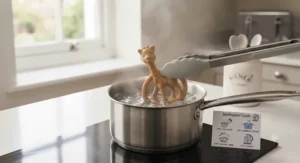
Material choice drives most of the durability difference across this list. Natural rubber, as used in the KONG Ring and KONG Puppy Goodie Bone, generally holds up best against repeated chewing because it flexes and returns to shape rather than cracking under bite pressure, which is why KONG-style toys have built a long-standing reputation for longevity. Softer “sensory” materials, like those in the Nylabone Sensory Material Teething Ring, prioritise gentleness on young gums over raw toughness, so expect a shorter usable lifespan in exchange for that comfort.
Water-core freezable toys, including the Nylabone 2-in-1 Teething Freezer Bone and Petstages Pupstages Cool Teething Stick, sit in the middle — the outer material is usually reasonably tough, but the internal reservoir is inherently a weak point that firm rubber toys simply don’t have. What most buyers overlook is that budget multipacks, such as the ADDPETS 3 Pack Freezable Teething Toys, generally trade some material quality for price, which is a fair trade-off if toy rotation and low individual cost matter more to you than any single toy lasting for months.
Vet Advice on Teether Choice
Veterinary guidance broadly supports offering appropriate chew toys throughout the teething period rather than trying to suppress the natural urge to chew. Purina UK’s puppy teething guide notes that chew toys should ideally be malleable rather than hard, since anything too rigid risks discomfort or damage to a puppy’s developing teeth and gums. This lines up closely with the softer, freezable options on this list being better suited to the earliest, most sensitive teething weeks than a fully solid rubber ring.
The RSPCA’s advice on dog toys and environment also stresses choosing safe, non-toxic toys that support dental health and mental stimulation together, and recommends regular cleaning of chew toys to prevent bacteria build-up — advice that applies just as much to a freezer-stored teether as to any toy left lying around the house. If a puppy shows persistent bleeding, won’t eat comfortably, or seems in more than mild discomfort, that’s a sign to move beyond toy choice alone and speak to a vet directly, since occasional mild bleeding from a wobbly baby tooth is normal but ongoing pain generally isn’t.
Common Mistakes When Buying Teethers for Puppies
The most frequent mistake is buying a single toy and expecting it to suit the entire teething period, when in reality a puppy’s needs shift considerably between 10 weeks and 6 months. A close second is choosing a toy that’s too hard for a very young puppy simply because it looked durable in reviews, without checking whether it’s actually recommended for the earliest teething stage. Buyers also commonly skip checking size against their specific breed, leaving small-breed puppies with toys too large to get proper gum contact, or large-breed puppies with toys too small to be safe.
Another recurring error is freezing a toy overnight and offering it rock-hard straight from the freezer, rather than allowing a short thaw so it stays firm but not painfully cold. Finally, plenty of owners buy only one teether and don’t rotate, missing out on the simple trick of always having a second toy chilling while the first is in use.
Long-Term Cost & Maintenance
Rubber toys generally offer better long-term value per pound spent, since a genuinely durable option like the KONG Ring can realistically last through and beyond the teething period with basic cleaning as its only ongoing cost. Freezable toys with an internal reservoir have a shorter realistic lifespan on average, both because the water core is a structural weak point and because most owners naturally retire them once active teething discomfort passes.
Maintenance stays simple and low-cost across the whole category — regular warm soapy water washes, thorough drying before refreezing, and periodic inspection for cracks or splits are really the extent of it. Total cost of ownership across a full teething period, roughly 3-4 months from first eruption to adult teeth settling in, tends to work out similarly whether you buy one durable rubber toy or two to three cheaper freezable multipacks, so budget and puppy comfort preference are reasonable deciding factors rather than pure economics.
Frequently Asked Questions
❓ Is a freezable teether or rubber teething ring better for puppies?
❓ How long should I freeze a puppy teether before giving it to my dog?
❓ Can I freeze a rubber teething ring like the KONG Ring?
❓ How often should I replace my puppy's teething toys?
❓ Should I speak to a vet about my puppy's teething discomfort?
Conclusion
There’s no single winner in the freezable teether vs rubber teething ring debate — the right choice depends on your puppy’s age, breed, chew strength, and exactly where they are in the teething process. For very young or sensitive-gummed puppies, something like the Nylabone Sensory Material Teething Ring or Petstages Pupstages Cool Teething Stick genuinely earns its place through gentle, targeted cold relief. For older, stronger-jawed puppies heading toward adult teeth, the durability of the KONG Ring delivers better long-term value.
As Petplan’s puppy teething guide points out, teething is a genuinely normal, temporary process, and the goal of any teether is simply making it more comfortable for your puppy while protecting your furniture in the process. Choose based on your puppy’s actual stage rather than the flashiest packaging, and you’ll likely end up rotating between a couple of these seven picks before the teething window closes for good.
Recommended for You
- Teething Toys for Small Breed Puppies: 7 Best 2026 Picks
- Soothing Teethers for Puppies: 7 Best Picks to Try in 2026
- 7 Best Soft Chew Toys for Teething Puppies in 2026 (UK Guide)
Disclaimer: This article contains affiliate links. As an Amazon Associate, I earn from qualifying purchases. If you purchase products through these links, we may earn a small commission at no additional cost to you.
✨ Found this helpful? Share it with your friends! 💬🤗
