In This Article
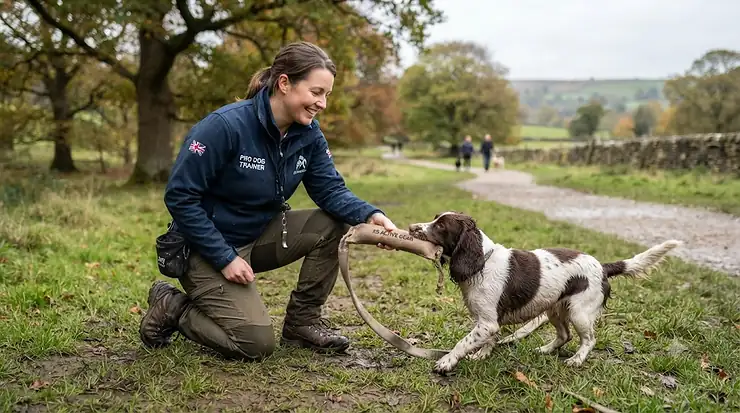
A professional tug toy for dog trainers is not the same animal as the squeaky rope your neighbour’s Labrador drags around the garden. It is a purpose-built bite-development tool — usually made from jute, French linen, leather or sheepskin — designed to survive the crushing jaw pressure, repeated washing and daily abuse of working dog training, from puppy prey-drive games right through to full IGP, Schutzhund and police K9 protection work. If you have ever watched a rope toy explode into a snowstorm of fluff mid-session, you already know why this category exists.
We researched real products currently listed on amazon.co.uk, cross-checked them against the material standards used across bite-training equipment (jute, nylcot/French linen, leather and sheepskin), and pulled in guidance from the College of Policing’s official standards for police dog training and The Kennel Club’s Working Trials programme, which still bases several of its exercises on traditional police dog assessments. Whether you’re a professional decoy, a hobbyist working towards a Kennel Club stake, or simply training a high-drive working breed at home, this guide covers working dog tug toys, commercial-grade dog training tools, bite training equipment, and the kit police and service dog handlers actually reach for.
What Is a Professional Tug Toy for Dog Trainers?
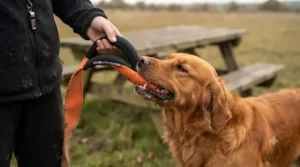
A professional tug toy for dog trainers is a reinforced bite-training tool made from durable materials such as jute, French linen (nylcot), leather or sheepskin, fitted with stitched handles designed to withstand repeated, high-intensity biting. Unlike novelty pet toys, these are engineered specifically to build grip, prey drive and bite confidence for working and sport dogs.
Quick Comparison Table
| Product | Material | Best For |
|---|---|---|
| Julius-K9 Flat Leather Tug | Leather | Grip development & one-handed play |
| Dingo Gear French Linen Bungee Tug | Nylcot (French linen) | IGP/Schutzhund bungee work |
| Dingo Gear Handmade Leather Bite Tug | Genuine leather | Premium decoy training |
| EQ K9 Leather Dog Tug | Leather | Budget-friendly police-style bite tug |
| YES4QUALITY Jute Bite Pillow | Jute | Entry-level bite pillow work |
| Tug-E-Nuff Sheepskin Chaser | Sheepskin | Motivational reward-based training |
| Dingo Gear Universal Bite Wedge | Nylcot | Mini sleeve / decoy target work |
This snapshot only scratches the surface, but it already tells a story: there isn’t one “best” material, there’s a best material for what you’re actually training. Jute and nylcot dominate serious bite-development work because they mimic the resistance of a real bite sleeve, while leather and sheepskin lean into grip comfort and reward drive rather than raw bite intensity. If you’re outfitting a multi-dog training programme, you’ll likely end up owning at least three of these categories rather than hunting for one toy that does everything.
💬 Just one click — help others make better buying decisions too!😊
Top 7 Professional Tug Toys for Dog Trainers: Expert Analysis
1. Julius-K9 Flat Leather Tug — grip-focused, one-handed control
The rigid central handle is the standout feature here, and it’s a genuinely clever bit of design most owners overlook until they’ve fumbled a floppier tug mid-session. Julius-K9, a Hungarian brand built for European rescue, military and police dog programmes, keeps the construction deliberately simple: soft, natural leather stitched around a firm handle core, sized at roughly 20 cm (7.8 in). That firmness matters in practice — a one-handed grip means the handler’s other hand stays free for a marker cue, a lead, or steadying a young dog that’s still learning bite placement.
Based on the spec comparison with jute and linen alternatives, leather’s smoother surface won’t shred like rope, but it also won’t grip the dog’s teeth quite as aggressively — which is exactly why trainers use it for controlled grip work rather than full-drive bite building. It suits beginner-to-intermediate working dogs and pet owners doing structured reward-based tug play equally well.
Reviewer feedback on this SKU is a genuinely mixed bag worth being upfront about: several buyers rate the leather quality and durability highly, including one describing it as “sehr robust” after sustained use, while at least one reviewer flagged the handle stitching wearing faster than the leather bite section itself. That’s a useful signal — inspect the handle seams periodically rather than assuming leather means indestructible.
Pros:
- ✅ Rigid handle enables true one-handed control
- ✅ Soft natural leather is gentle on developing teeth
- ✅ Compact size suits puppies and smaller working breeds
Cons:
- ❌ Handle stitching reportedly wears before the leather does
- ❌ Less bite resistance than jute for advanced drive work
At around £25-£35, the Julius-K9 Flat Leather Tug sits firmly in mid-range territory — reasonable value for a European working-dog brand, provided you treat it as a grip-and-reward tool rather than a full decoy tug.
2. Dingo Gear French Linen Bungee Tug — shock-absorbing IGP training staple
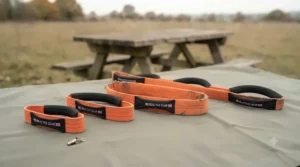
The two bungee handles are what set this apart on the shelf, and they solve a real problem: repeated hard bites transmitted straight through a rigid handle are brutal on a handler’s wrist over a long session. Dingo Gear, a Polish manufacturer trading since 1977, builds this tug from nylcot — also called French linen or French material — a dense woven fabric that’s become something of an industry default for IGP, Schutzhund and general bite-development work.
What most buyers overlook about nylcot specifically is that its weave is designed to open slightly around a bite and then close back up, which spreads wear more evenly than a static weave and helps it resist the puncture holes that plague cheaper cotton-blend tugs. Paired with the bungee handles, this makes it a strong pick for daily drive-building sessions with young or high-energy working dogs, where the elastic give absorbs some of the jolt without softening the resistance the dog feels through its jaw.
Aggregated feedback on Dingo Gear’s nylcot range consistently highlights the hand-stitched build quality and the fact the material holds up to sustained biting far better than budget rope alternatives, though as a handmade product, buyers should expect small dimensional variations between individual units rather than machine-perfect consistency.
Pros:
- ✅ Dense nylcot weave resists puncture holes over time
- ✅ Bungee handles reduce shock transfer to the handler’s wrist
- ✅ Genuinely suited to IGP, Schutzhund and K9 sport training
Cons:
- ❌ Handmade construction means slight size variation between units
- ❌ Bungee stretch isn’t ideal for dogs still learning bite control
Priced in the mid-£20s to low-£30s range, the Dingo Gear French Linen Bungee Tug earns its keep as one of the more purpose-built options on this list for anyone working towards a formal bitework qualification.
3. Dingo Gear Handmade Leather Bite Tug — premium decoy-grade leather
Genuine, hand-cut leather is the headline feature, and it shows the moment you pick it up — this isn’t the thin, glossy leather found on pet-shop tugs, but a thicker hide intended to survive daily decoy work. Dingo Gear builds this as a full leather bite tug rather than a leather-wrapped handle, which changes how it behaves under a hard, committed bite compared with the flatter Julius-K9 model above.
Here’s what to weigh: thicker leather flexes less than jute or nylcot, so dogs that are still building confidence sometimes find it a harder, less “giving” bite target initially. On paper this means it’s better suited to dogs that already have a reasonably developed grip and simply need a durable, long-lasting tool to reinforce it — professional decoys and experienced trainers rather than someone starting a nervous puppy on bitework from scratch.
Verified review volume specifically for this SKU is limited at the time of writing, which is common for handmade niche training gear sold through marketplace listings rather than mainstream retail — but the wider pattern across Dingo Gear’s leather range points consistently to praise for stitching durability and honest scepticism from a minority of buyers about the higher price point relative to jute alternatives.
Pros:
- ✅ Thick genuine leather withstands sustained hard biting
- ✅ Handmade stitching holds up to repeated decoy sessions
- ✅ Distinctive scent and texture dogs find naturally engaging
Cons:
- ❌ Firmer bite surface less forgiving for nervous or young dogs
- ❌ Premium pricing versus jute equivalents of similar size
Sitting in the £30-£45 range, the Dingo Gear Handmade Leather Bite Tug is a considered investment rather than an impulse buy — best suited to trainers who already know leather suits their dog’s bite style.
4. EQ K9 Leather Dog Tug — accessible entry into leather bite work
Two handles at a genuinely workable size is the standout feature, giving this tug flexibility between solo tug play and structured two-person decoy drills. EQ K9 markets this specifically toward agility, police-style and IGP/Schutzhund training, positioning it as a more affordable route into leather bite equipment without abandoning the category’s durability advantages.
Based on the spec comparison with the premium leather options above, this is a lighter-weight leather construction — the trade-off buyers should expect is a shorter working lifespan under daily heavy-drive training, but a genuinely useful entry point for trainers who want to test whether leather suits their dog’s bite preference before committing to a premium handmade tug. Reviewers researching similar dual-handle leather tugs frequently note that having two grip points makes it considerably easier for a second handler or decoy to join the exercise without repositioning the dog.
Because dedicated review data for this specific listing is limited compared with longer-established brands, the honest verdict is that it performs the job reliably for light-to-moderate training loads, but heavy daily working dog programmes may find themselves shopping for a replacement sooner than with thicker hide alternatives.
Pros:
- ✅ Dual-handle design supports two-person decoy drills
- ✅ Lower price point than premium handmade leather tugs
- ✅ Suitable for small through large working breeds
Cons:
- ❌ Lighter hide won’t match premium leather’s longevity
- ❌ Limited independent review history at the time of writing
At roughly £15-£25, the EQ K9 Leather Dog Tug is a sensible budget leather pick — genuinely useful, just don’t expect it to outlast a thicker premium hide under daily professional use.
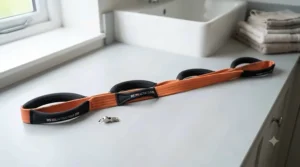
5. YES4QUALITY Jute Bite Pillow — the classic entry-level bite tool
The jute pillow shape is the defining feature, and it’s worth explaining why that matters: jute has been the traditional bite-training material for decades precisely because its coarse, rope-like weave gives dogs something substantial to sink their teeth into, closer in resistance to a padded bite sleeve than smoother materials manage. This particular pillow measures roughly 30 x 8 cm with two strong stitched handles.
What the spec sheet won’t tell you, but experienced trainers note, is that jute’s roughness is a double-edged sword — brilliant for encouraging a full, committed bite rather than a shallow nip, but genuinely more abrasive against a young dog’s gums than leather or sheepskin during the earliest introduction sessions. It’s best introduced once a puppy already shows confident interest in tugging, rather than as the very first toy a nervous dog ever meets.
Aggregated customer sentiment around jute bite pillows in this size and price bracket consistently points to strong value for money and genuine durability under repeated biting, with the most common complaint being that the handles, rather than the jute body itself, are usually the first component to show wear.
Pros:
- ✅ Traditional jute weave encourages full, confident bites
- ✅ Two strong handles suit tug-of-war and reward-based play
- ✅ Strong value for money at this price point
Cons:
- ❌ Coarser texture less gentle on very young or sensitive gums
- ❌ Handle stitching typically wears before the jute body
Priced under £20 in most listings, the YES4QUALITY Jute Bite Pillow delivers exactly what a budget-conscious trainer needs from an entry-level bite tool, without pretending to be premium decoy equipment.
6. Tug-E-Nuff Sheepskin Chaser — motivational reward tug with extra reach
The extra-long handle is the immediate standout, and it exists for a genuinely practical reason: distance between handler and dog during a reward-based tug session reduces the chance of an accidental hand nip when a dog is excited and re-gripping. Tug-E-Nuff, a UK dog gear company founded in 2009 by professional trainers, builds this chaser from responsibly-sourced sheepskin rather than synthetic fur, aiming squarely at motivational and reward-based training rather than raw bite-resistance work.
Here’s what to weigh against the jute and linen options above: sheepskin isn’t built to survive full-drive decoy bitework, and that’s by design — its purpose is engagement and reward, tapping into a dog’s natural prey response with texture and movement rather than testing bite endurance. For clicker trainers, agility handlers and anyone using tug as a high-value reward rather than a protection-training tool, that softer profile is genuinely the point, not a weakness.
Tug-E-Nuff’s own published guidance notes that dogs new to tugging sometimes latch onto the wispier sheepskin fibres rather than the full bite area, which the brand addresses through encouraging a “leave and re-offer” technique — useful context that suggests real, hands-on product knowledge behind the design rather than a generic import listing.
Pros:
- ✅ Extra-long handle reduces accidental hand contact
- ✅ Responsibly-sourced sheepskin appeals strongly to prey drive
- ✅ Ideal for reward-based and motivational training styles
Cons:
- ❌ Not designed for full-intensity decoy bite work
- ❌ Wispy fibres can detach with inexperienced tuggers
Expect to pay in the £20-£30 range for the Tug-E-Nuff Sheepskin Chaser — strong value for reward-driven trainers, though decoys chasing raw bite endurance should look toward jute or nylcot instead.
7. Dingo Gear Universal Bite Wedge — compact mini sleeve for decoy work
A genuinely different format from everything else on this list, the universal fit for both left and right hands is the defining feature — this isn’t a tug in the traditional sense but a nylcot mini bite sleeve worn or held by a decoy, intended for targeted bite-placement and obedience training rather than free tugging.
Constructed from the same nylcot material discussed with the Dingo Gear bungee tug above, the wedge includes two internal holders so a decoy can position it precisely, making it particularly suited to professional and semi-professional training environments — the product listing itself notes it’s intended for professional dog trainers and decoys working on bite training, obedience and dog sports rather than casual pet play. Based on the spec comparison with full tugs, its smaller working surface demands more controlled handling, which is exactly why it’s marketed to trainers rather than first-time owners.
Because this is a specialist decoy tool rather than a mainstream pet product, publicly available review volume is thin — the honest position is that its reputation currently rests more on Dingo Gear’s broader brand consistency across its nylcot range than on a deep pool of verified feedback for this specific item.
Pros:
- ✅ Ambidextrous design works for either hand
- ✅ Precise bite-placement training for obedience and decoy work
- ✅ Durable nylcot construction matches Dingo Gear’s tug range
Cons:
- ❌ Requires handling experience — not beginner-friendly
- ❌ Limited independent review data currently available
Typically priced in the £20-£30 bracket, the Dingo Gear Universal Bite Wedge is a niche but genuinely useful addition for anyone doing structured decoy or obedience-focused bite training.
Top 7 Products: Specs & Value Comparison
| Product | Material | Handles | Price Range | Best For |
|---|---|---|---|---|
| Julius-K9 Flat Leather Tug | Leather | 1 (rigid) | £25-£35 | One-handed grip control |
| Dingo Gear French Linen Bungee Tug | Nylcot | 2 (bungee) | £20-£35 | IGP/Schutzhund training |
| Dingo Gear Handmade Leather Bite Tug | Leather | 1-2 | £30-£45 | Premium decoy work |
| EQ K9 Leather Dog Tug | Leather | 2 | £15-£25 | Budget leather entry point |
| YES4QUALITY Jute Bite Pillow | Jute | 2 | Under £20 | Entry-level bite building |
| Tug-E-Nuff Sheepskin Chaser | Sheepskin | 1 (long) | £20-£30 | Reward-based motivation |
| Dingo Gear Universal Bite Wedge | Nylcot | 1 | £20-£30 | Decoy bite placement |
Looking at the table, a clear pattern emerges: nothing here is objectively “best” across every row, because material dictates purpose. The YES4QUALITY Jute Bite Pillow wins on value and bite-encouragement for beginners, but the Dingo Gear French Linen Bungee Tug justifies its higher price for anyone actually working toward IGP or Schutzhund titles, where shock-absorbing handles genuinely change the training experience over hundreds of repetitions. Budget-conscious trainers building a first working dog kit should note that the EQ K9 Leather Dog Tug and jute pillow together cost less than either premium leather tug alone, while still covering two of the four major material categories.
Practical Usage Guide: Setup, Maintenance & Optimisation
Getting a new bite tug out of the packaging and straight into a full-intensity session is one of the most common first-30-days mistakes trainers make — professional tug toys need a short “introduction” period even with confident adult dogs. Start with low-tension, ground-level play, letting the dog approach and grip on its own terms before any real pulling begins; this matters more with rigid leather and dense jute than it does with soft synthetic rope, since the resistance is genuinely higher.
Maintenance is where commercial-grade dog training tools separate themselves from disposable pet toys, provided you actually look after them. Leather tugs benefit from occasional conditioning with a plain leather balm to prevent the hide drying and cracking, particularly if training happens outdoors in all weathers. Jute and nylcot tugs should be air-dried fully after any wet-weather session — packing away a damp jute pillow in a kit bag is a fast route to mildew and premature rot. Sheepskin needs the gentlest handling of all four materials: spot-clean rather than fully submerge, and keep it away from direct heat sources when drying.
A simple weekly habit worth building into any working dog gear routine: inspect handle stitching before every session, not after a failure. As multiple reviews across this list confirm, handles — not the bite material itself — are usually the first genuine failure point, and a five-second check costs nothing compared with a mid-session tear.
Real-World Scenarios: Matching Trainers to the Right Tug
If you’re a hobbyist working your first Malinois or German Shepherd toward a Kennel Club working trials stake, training two or three evenings a week in a local club environment, the Dingo Gear French Linen Bungee Tug is worth prioritising — the shock-absorbing handles genuinely reduce wrist fatigue over a training season, and nylcot’s durability suits the repetitive bite-building drills this discipline demands.
If you’re a professional decoy or club helper working with multiple dogs across a single session, durability and precision matter more than motivation-building extras. The Dingo Gear Handmade Leather Bite Tug paired with the Dingo Gear Universal Bite Wedge covers both full-tug and targeted bite-placement work without needing four separate toys in the kit bag.
If you’re a pet owner or new trainer simply looking to build a confident, reward-driven relationship with a young working breed — no titles, no trials, just structured play with real training value — the Tug-E-Nuff Sheepskin Chaser paired with the budget-friendly YES4QUALITY Jute Bite Pillow gives you a soft reward option and a firmer bite-building option for well under the cost of a single premium leather tug.
Buyer’s Decision Framework
If your dog is under six months old and new to tugging, choose sheepskin or soft leather, because the priority at this stage is building confidence and positive association, not bite intensity. If your dog already grips confidently and you’re preparing for formal bitework assessment, choose jute or nylcot, because these materials most closely replicate the resistance of a genuine bite sleeve. If wrist fatigue or repeated-session strain is a concern for the handler, prioritise bungee-handled options over rigid handles. If budget is the primary constraint and you only need one toy, a mid-size jute pillow gives the broadest general-purpose coverage across ages and drive levels.
How to Choose a Professional Tug Toy
- Match material to training stage — softer leather or sheepskin for young or nervous dogs, jute or nylcot for established bite work.
- Check handle count and type — dual handles suit two-person decoy drills, while bungee handles reduce shock during high-intensity sessions.
- Consider your dog’s size and bite strength — smaller compact tugs suit puppies and smaller breeds, while larger pillows suit powerful adult working dogs.
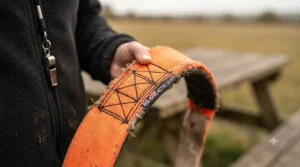
- Look at stitching quality, not just the bite material — as this guide repeatedly shows, handles fail before bodies do.
- Factor in your training discipline — IGP, Schutzhund and police-style work favour nylcot and jute; reward-based pet training favours sheepskin and leather.
- Budget for more than one toy — professional trainers typically rotate materials rather than relying on a single tug for every stage.
- Verify the seller’s brand history — established manufacturers like Julius-K9 and Dingo Gear bring decades of working-dog-specific engineering that generic imports can’t match.
Professional Tug Toys vs Standard Pet Tug Toys
The gap between a professional tug toy for dog trainers and a supermarket rope toy isn’t really about price — it’s about engineering intent. Standard pet tug toys are built to survive casual play with an average pet dog; professional bite training equipment is built to survive repeated, deliberate, full-force biting from dogs specifically trained to grip and hold. That difference shows up in the stitching density, the material choice, and often in the sheer weight of the thing in your hand.
| Factor | Professional Tug Toys | Standard Pet Tug Toys |
|---|---|---|
| Materials | Jute, nylcot, leather, sheepskin | Cotton rope, synthetic fleece, rubber |
| Stitching | Reinforced, often handmade | Machine-stitched, lighter gauge |
| Purpose | Bite-drive development, decoy training | General play and light exercise |
| Typical Lifespan | Months to years under heavy use | Weeks to months under regular play |
The practical takeaway from this comparison is that professional-grade equipment costs more upfront but typically works out cheaper per training hour, since a cotton rope toy shredding every few weeks under serious bite pressure adds up faster than most owners expect. That said, if your dog only ever plays casual tug in the back garden with no structured bite training involved, a standard pet toy genuinely does the job — you don’t need a Dingo Gear Handmade Leather Bite Tug for a weekend game of fetch-and-tug.
What to Expect: Real-World Performance
On paper, a jute bite pillow and a nylcot tug look similar — both are dense, woven, and marketed for bite work. In practice, dogs respond to them quite differently. Jute’s rougher surface tends to encourage an immediate, committed grip, which is why it’s often introduced slightly later in a training programme once a dog is confidently gripping. Nylcot’s tighter weave gives a marginally smoother initial bite but genuinely holds up better across hundreds of repetitions, which explains its dominance in formal IGP and Schutzhund training circles.
Leather behaves differently again — the Julius-K9 Flat Leather Tug‘s rigid handle transmits far more direct feedback to the handler’s hand than a bungee-handled equivalent, which experienced trainers actually use deliberately to read exactly how hard a dog is pulling. Sheepskin, by contrast, is the outlier of this list — it isn’t trying to simulate a real bite target at all, and dogs typically engage with it in a softer, more playful manner than the intense, locked-jaw grip jute and leather tend to provoke.
Working Dog Gear for Different Training Disciplines
Police and service dog training tends to lean heavily on jute and leather, reflecting the disciplined, controlled bite-and-release patterns these roles demand — equipment choices that broadly mirror the standards referenced in the College of Policing’s guidance on police dog training and deployment. Sport disciplines like IGP and Schutzhund, and the civilian equivalent tested through Kennel Club working trials, favour nylcot for its balance of resistance and repeated-session durability.
Assistance and detection dog trainers, by contrast, often prioritise reward-based engagement over raw bite endurance, making sheepskin and softer leather tugs a better fit for building drive without encouraging an overly hard bite style. Hobbyist trainers working toward general obedience or agility titles frequently find a mixed kit — one jute pillow, one sheepskin chaser — covers the full spectrum of reward and bite-development needs without overspending on specialist decoy equipment they’ll rarely use.
✨ Don’t Miss These Exclusive Deals!
🔍 Take your working dog training to the next level with these carefully selected tools. Click on any highlighted item to check current pricing and availability. These picks will help you build a genuinely capable, confident training partner!
Long-Term Cost & Maintenance
| Material | Typical Lifespan (regular use) | Maintenance Needs | Replacement Cost Factor |
|---|---|---|---|
| Jute | 6-18 months | Air-dry after wet sessions | Low |
| Nylcot (French linen) | 1-3 years | Minimal, wipe clean | Medium |
| Leather | 1-3+ years | Occasional conditioning | Medium-High |
| Sheepskin | 6-12 months | Spot clean, avoid heat | Medium |
Judged purely on upfront price, jute looks like the cheapest option every time — and for occasional trainers, it often is the smartest buy. But for anyone training multiple sessions a week, the total cost of ownership picture shifts: a well-maintained nylcot or leather tug that lasts two or three years works out cheaper per session than replacing a jute pillow every year. The real lesson here is that “cheapest” and “best value” aren’t the same question, and the answer depends entirely on training frequency.
Safety, Regulations & Welfare Compliance Guide
Bite training equipment sits within a broader framework of animal welfare responsibility, and it’s worth trainers understanding the basics even outside formal police or sport contexts. Organisations training working dogs professionally in the UK operate under welfare obligations tied to the Animal Welfare Act 2006, and professional police dog training specifically follows structured national standards — the College of Policing’s authorised professional practice requires forces to maintain formal risk assessments covering training venues, equipment, and handler-to-dog ratios, reflecting just how seriously equipment safety is taken at a professional level.
For everyday trainers, the practical takeaway is simpler but no less important: always tug sideways rather than vertically to avoid neck strain, never leave a dog unsupervised with any bite tug regardless of material, and retire any tug showing frayed stitching or exposed internal padding immediately rather than risking a swallowed fragment. These aren’t just good habits for professional-grade equipment — the same principles from formal working trials training, which trace their exercises back to original police dog assessments, apply just as much to a back-garden game with a family pet.
FAQ
❓ What material is best for a professional dog training tug toy?
❓ Are professional tug toys safe for puppies?
❓ How long do commercial-grade dog training tug toys last?
❓ What tug toys do police and service dogs actually train with?
❓ Can I use a bite tug for general pet training, not just working dogs?
Conclusion
Choosing the right professional tug toy for dog trainers ultimately comes down to matching material to purpose rather than chasing the single “best” product on the market. Jute and nylcot dominate serious bite-development and sport training for good reason, leather offers durable, controlled grip work, and sheepskin earns its place as a genuinely effective reward-based motivator rather than a lesser substitute. Most experienced trainers, whether working toward police-style deployment or a Kennel Club working trials stake, end up building a small rotation of materials rather than relying on one all-purpose tug.
Whichever combination suits your training programme, prioritise verified brand history, honest attention to handle-stitching quality, and realistic expectations about lifespan under your specific training intensity. The seven products covered here — spanning budget jute through premium handmade leather — give a genuinely representative starting point for building out a working dog training kit that will actually hold up to the job.
Recommended for You
- Training Rope Tug For Puppies: 7 Best Picks UK 2026
- Bungee Rope Tug For Tug Of War: 7 Best UK Picks (2026)
- Top Rope Tug Toys: 7 Tough, Affordable Picks For UK Dogs (2026)
Disclaimer: This article contains affiliate links. As an Amazon Associate, I earn from qualifying purchases. If you purchase products through these links, we may earn a small commission at no additional cost to you.
✨ Found this helpful? Share it with your friends! 💬🤗
