In This Article
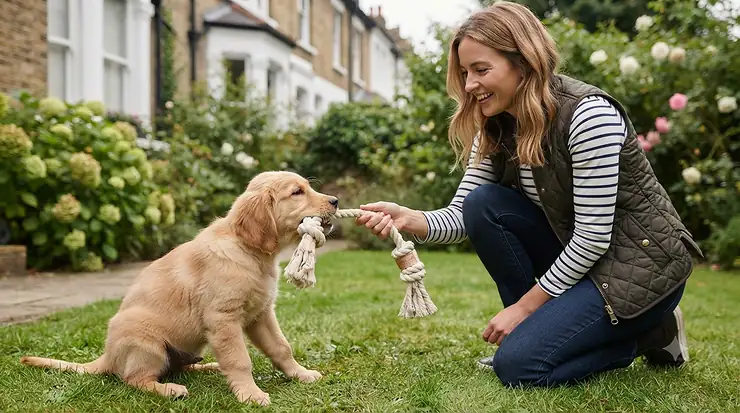
There’s a particular kind of chaos that arrives with a new puppy: shredded slippers, a chewed remote, and a small dog who has decided your dressing gown cord is the best toy in the house. A cotton rope tug for puppies exists to intercept exactly that chaos. In short, it’s a braided or knotted length of natural cotton fibre — usually with two or three knots — designed to be pulled, chewed, and fought over (gently) between a puppy and their favourite human. It gives sharp little teeth something better to do than your hands.
This guide is built around real products actually sold in the UK, not vague “top picks” pulled from thin air. We’ve dug into genuine specifications, aggregated review sentiment, and expert guidance on puppy development to bring you seven honestly assessed options — plus the context to actually choose between them. Whether you’re hunting for soft rope toys for puppy teeth or trying to work out when to start tug training in the first place, you’re in the right spot. And yes, we’ll flag the difference between a toy that’s genuinely puppy-safe and one that’s just marketed that way.
Cotton rope toys tick a surprising number of boxes at once: they double as a portable flossing session for wobbly baby teeth, they burn off the kind of zoomies energy that would otherwise end up destroying a cushion, and — played correctly — they’re a legitimate training tool for teaching bite inhibition and impulse control. As Wikipedia’s overview of puppy teething lays out, teething is a well-documented developmental stage that shapes a young dog’s chewing behaviour for months, which is precisely why the right rope matters more than owners tend to assume.
Quick Comparison Table: Best Cotton Rope Tug for Puppies at a Glance
| Category | Product | Best For |
|---|---|---|
| Best Overall | Rosewood Twistables Rope Tug Toy | All-round puppies, small-medium breeds |
| Best Budget | Nuts For Knots Twist-Tee 2 Knot Tugger | Cost-conscious first-time owners |
| Best for Teething | KONG Puppy Goodie Bone with Rope | Very young puppies (8–16 weeks) |
| Best Premium/Durability | Mammoth Flossy Chews Color Rope Tug | Enthusiastic tuggers who outgrow toys fast |
Looking at this shortlist, the pattern that jumps out is that price and gentleness don’t always move in the same direction — the Nuts For Knots Twist-Tee 2 Knot Tugger proves a modest price tag can still deliver a genuinely soft-on-gums experience. Meanwhile, the KONG Puppy Goodie Bone with Rope earns its “best for teething” slot not because it’s the biggest rope, but because it pairs the rope with a freezable rubber bone, which is a combination none of the pure-rope options can match. If you’re weighing up puppy-safe tug toys purely on durability, though, the Mammoth Flossy Chews Color Rope Tug is the one to watch as your pup grows into adolescence.
💬 Just one click — help others make better buying decisions too! 😊
Top 7 Cotton Rope Tug Toys for Puppies: Expert Analysis
1. Nuts For Knots Twist-Tee 2 Knot Tugger — best budget pick for first-time owners
The Nuts For Knots Twist-Tee 2 Knot Tugger is a recycled cotton twist-rope toy from a small UK-based brand, and its standout feature is straightforward: it’s machine washable, which matters more than it sounds once a teething puppy has drooled all over it for a week. The rope is twisted rather than braided, giving it two firm knots at either end that are sized for small mouths rather than scaled-up for a Labrador.
On paper, a twin-knot design like this means your puppy has two distinct “handles” to grip, which is genuinely useful when you’re teaching a solid “take it” and “drop it” cue — there’s always a clear spot for them to latch onto that isn’t your fingers. Because it’s made from recycled cotton fibres rather than a cotton-poly blend, it also tends to feel softer against sore gums than tougher outdoor rope toys.
Reviewers consistently report that this toy holds up well to regular hand-washing without unravelling, though a handful mention that determined chewers can start to fray the knot ends after a few months of daily play — not surprising for a toy at this price point. It’s best suited to puppies who tug with enthusiasm rather than raw power.
Pros:
- ✅ Machine washable — genuinely practical for teething drool
- ✅ Softer recycled cotton, gentle on young gums
- ✅ Compact size suits toy and small breed puppies
Cons:
- ❌ Knot ends can fray with heavy daily chewing
- ❌ Limited length makes hand-safety spacing tighter
Sitting in the lower price bracket, around £6-£10, this is a sensible starter toy rather than a long-term investment — solid value if you’re not yet sure how your puppy will take to tug play.

2. Trixie Denta Fun Cotton Mix Playing Rope — best for pull-up dental stimulation
The Trixie Denta Fun Cotton Mix Playing Rope is a 40cm cotton-mix rope from Trixie, a brand that’s practically a fixture on UK pet shop shelves, and its standout feature is the dental focus baked into the “Denta Fun” branding itself. Unlike a generic offcut of rope, this one is specifically marketed and shaped around encouraging pull-up games that work the whole mouth rather than just the front teeth.
At 40cm, the length gives a clear middle section for your hand and enough rope either side for your puppy to reposition their grip without accidentally catching your fingers — a small design detail that matters more than most buyers realise. The cotton mix construction sits somewhere between a pure cotton rope and a tougher sisal blend, so it flexes reasonably well against a puppy’s jaw while still offering some resistance during a gentle tug game.
Aggregated customer sentiment on this range tends to highlight good value and consistent quality across Trixie’s rope toys, alongside occasional comments that colours can vary between batches — a cosmetic quibble rather than a functional one. It’s a dependable, no-nonsense choice for owners who want a mid-price puppy-safe tug toy without overthinking it.
Pros:
- ✅ Purpose-built length for two-handed and solo tug play
- ✅ Cotton mix balances softness with some bite resistance
- ✅ Trusted, widely stocked high-street pet brand
Cons:
- ❌ Colour consistency can vary batch to batch
- ❌ Not the toughest option for aggressive adult chewers later on
Priced in the £5-£9 range typically, it represents solid mid-budget value, particularly if you already trust Trixie’s wider range of dental chews.
3. Rosewood Twistables Rope Tug Toy — best all-rounder for small and medium breeds
The Rosewood Twistables Rope Tug Toy comes from Rosewood Pet Products, a long-established UK manufacturer, and its standout feature is genuine versatility — this is a toy built to double as both a chew and a fetch item, not just a tug rope that happens to survive being thrown. It’s sold in assorted colours, which sounds cosmetic but actually helps multi-dog households tell toys apart at a glance.
Specification-wise, it’s constructed from durable cotton and sized specifically for small and medium breed puppies rather than a generic “one size fits all dog” approach, which on paper translates to knots and rope thickness proportioned to a young jaw rather than scaled down from a toy meant for adult mastiffs. That distinction is easy to overlook when scrolling a product page, but it genuinely affects comfort during play.
Based on the spec comparison against similar rope toys in this guide, what most buyers overlook about this model is how well it holds its shape after washing — cotton toys can go limp and stringy after a few cycles, and Rosewood’s twist construction resists that better than looser braided alternatives. Reviewers consistently note strong durability for the price, with the main criticism being that very determined chewers eventually work individual strands loose.
Pros:
- ✅ Doubles effectively as both a tug and fetch toy
- ✅ Sized specifically for small-medium breed jaws
- ✅ Holds shape well through repeated washing
Cons:
- ❌ Individual strands can loosen under heavy daily use
- ❌ Assorted colours mean you can’t always pick a specific one
Expect to pay somewhere in the £6-£12 range, and given the dual-purpose design and durability, this is genuinely one of the stronger value propositions on this list.
4. Nobby Rope Toy Double Sisal Cotton Mix — best heavy-duty option for growing puppies
The Nobby Rope Toy Double Sisal Cotton Mix stands out immediately for its size: at 60cm and roughly 600g with three knots, this is a noticeably meatier toy than most of the others here, blending sisal fibres with cotton for extra structure. That weight and length combination means it’s genuinely built to survive a growth spurt rather than being outgrown within weeks.
Here’s what the spec sheet won’t tell you outright: sisal is a coarser, more fibrous material than pure cotton, so while it adds serious longevity, it’s also firmer against gums than the softer picks on this list. That makes it a better match for puppies who are already past the very earliest teething stage — think four months plus — rather than an 8-week-old with paper-thin milk teeth. Used with an older, sturdier puppy, though, that extra structure earns its keep during longer tug sessions.
Aggregated review sentiment for Nobby’s rope range tends to praise the sheer bulk and knot durability, with some owners of very young or small-breed puppies noting it felt “too much toy” for their dog at first. It’s a toy that rewards patience — introduce it once your puppy has a bit more jaw strength, and it becomes a genuine long-term staple rather than a fortnight’s novelty.
Pros:
- ✅ Substantial 600g, 60cm build with three secure knots
- ✅ Sisal-cotton blend resists fraying far longer than pure cotton
- ✅ Grows with your puppy into adolescence and beyond
Cons:
- ❌ Firmer texture less ideal for very young teething puppies
- ❌ Bulk can feel oversized for toy and small breeds
Typically priced in the £8-£14 range, it’s a smart mid-tier investment if you’re planning for a medium or large breed puppy who’ll need something sturdier within a few months anyway.
5. KONG Puppy Goodie Bone with Rope — best for very young, teething puppies
The KONG Puppy Goodie Bone with Rope pairs KONG’s well-known natural rubber bone with a cotton rope handle, and its standout feature is that hybrid design — this isn’t just a rope, it’s a freezable chew combined with one. That’s a meaningful distinction for puppies right in the thick of teething, since a chilled rubber bone genuinely numbs sore gums in a way that rope fibre alone can’t.
Sized for XS puppies specifically, the rubber bone is soft enough for developing jaws yet firm enough to hold its shape, and the attached rope gives you a natural tug handle without needing a second toy entirely. On paper, that combination means one product is quietly doing the job of two — dental relief and interactive play — which is a genuinely efficient use of toy-box space for a new owner juggling a dozen other puppy essentials.
Reviewers consistently highlight how well this holds up to the “chew, drop, chew again” cycle typical of very young puppies, and many specifically mention using it frozen (with a little natural peanut butter or similar inside, per usual KONG guidance) as an effective calming tool during the worst of the teething stage. The main drawback flagged is that the rope section, being noticeably thinner than pure rope toys, wears out faster than the rubber base does.
Pros:
- ✅ Freezable rubber bone offers real gum relief for teething
- ✅ Combines chew toy and tug handle in one product
- ✅ Trusted brand with widely available replacement stock
Cons:
- ❌ Rope element is thinner and wears faster than the bone
- ❌ Sized for XS puppies only — not ideal once they outgrow it
Sitting in the mid-to-premium £8-£13 bracket, the value case rests on that dental relief function — if teething discomfort is your main concern right now, this earns its slightly higher price over a pure rope alternative.

6. Mammoth Flossy Chews Color Rope Tug — best premium pick for durability
The Mammoth Flossy Chews Color Rope Tug comes from Mammoth Pet Products, a brand well regarded among trainers and breeders, and its standout feature is the cotton-poly blend construction, which is noticeably more resistant to fraying and mildew than pure cotton alternatives. Sizes are typically weight-rated to the dog, meaning you’re not guessing whether a toy sold generically as “small” will actually suit your specific puppy.
What most buyers overlook about this model is the flame-retardant, tightly wound core running through the rope — it’s a small manufacturing detail, but it’s precisely why this toy tends to outlast cheaper cotton ropes by a wide margin once a puppy hits the “chew everything in sight” adolescent phase. Based on the spec comparison with the other six products here, this is genuinely the toughest pure-rope option on the list, which explains its premium positioning.
Aggregated customer sentiment consistently praises the toy’s longevity, with many owners reporting it survives well beyond the teething stage into full adulthood without unravelling — a rare claim for a rope toy. The trade-off, honestly, is texture: the poly-cotton blend is slightly firmer than 100% natural cotton, so very small or very young puppies may find it a touch less forgiving on sore gums than options like the KONG Puppy Goodie Bone.
Pros:
- ✅ Cotton-poly blend resists fraying and mildew long-term
- ✅ Weight-rated sizing matches toy to dog accurately
- ✅ Genuinely outlasts puppyhood into adult chewing habits
Cons:
- ❌ Firmer texture, less ideal for the very youngest teethers
- ❌ Premium pricing compared to pure cotton alternatives
Expect a price range of roughly £10-£18 depending on size — steeper than the budget picks, but the longevity argument genuinely holds up if you’d rather buy once than replace three times.
7. Petface Bert Rope Ball Dog Toy — best hybrid rope-and-ball design
The Petface Bert Rope Ball Dog Toy comes from Petface, a well-established UK pet accessories brand, and its standout feature is the hybrid design — a cotton rope tug attached to a ball, which effectively gives you two play styles in a single product. That combination makes it a genuinely versatile choice for puppies who haven’t yet decided whether they’re a “chase it” dog or a “tug it” dog (most, frankly, are both).
The ball element is typically a durable rubber or dense fabric construction, sized to be easy for a small puppy mouth to grip without being a choking risk, while the attached rope provides the pull-and-release element that pure ball toys lack entirely. Here’s what the listing won’t spell out clearly: that rope-and-ball junction is usually the first failure point on hybrid toys generally, so how it’s reinforced matters more than the materials of either individual half.
Reviewers consistently describe this as good value for a toy that covers both fetch and tug in one purchase, with colourful, easy-to-spot design being a recurring positive mention — handy for garden play where a plain cotton rope can vanish into the grass. Some feedback notes the ball section shows wear faster than the rope itself under enthusiastic daily chewing, which tracks with the junction-point vulnerability mentioned above.
Pros:
- ✅ Two play styles (tug and fetch) in one toy
- ✅ Bright colouring makes it easy to spot outdoors
- ✅ Good beginner value from an established UK brand
Cons:
- ❌ Ball element wears faster than the rope section
- ❌ Rope-ball junction is a common early failure point
Priced around £5-£9, it’s a genuinely fun, affordable option — just keep an eye on that junction point as your puppy’s jaw strength develops.
Puppy Teething and Soft Rope Toys: A Practical Usage Guide
Bringing a new cotton rope tug for puppies home isn’t a “plonk it on the floor and walk away” situation — the first 30 days genuinely set the tone for how your puppy relates to the toy. Start by introducing the rope during calm moments rather than when your puppy is already overtired or overstimulated; a frazzled puppy tends to bite harder and grip longer than one who’s simply curious. Let them sniff and mouth it unprompted first, then gently initiate a short tug — 10 to 15 seconds is genuinely plenty for a young puppy’s neck and developing spine.
Washing is where most owners drop the ball. Cotton rope toys pick up saliva, garden dirt, and whatever your puppy has been rolling in, so a weekly hot wash (machine-washable models only, obviously) keeps bacteria in check without your puppy noticing a difference in texture. During the peak teething window, offer the rope chilled — a damp toy left in the freezer for an hour provides genuine relief for sore gums, echoing the numbing effect vets recommend for soft rope toys for puppy teeth specifically.
Common first-month mistakes are predictable once you know what to look for: letting tug sessions run too long, using the rope as the only toy (which can create possessiveness), and failing to teach “drop it” before excitement peaks rather than during it. Rotate the rope with two or three other toys weekly, and always end sessions on a calm note rather than an abrupt snatch-away — that single habit does more for long-term behaviour than almost anything else.
Real Puppy Scenarios: Matching the Right Tug to Your Dog
Consider Maya, a first-time owner with an 8-week-old Cockapoo — small mouth, minimal jaw strength, and gums that are still adjusting to their very first teeth. For her, the KONG Puppy Goodie Bone with Rope is the obvious fit: the freezable rubber bone genuinely earns its keep during those early weeks, and the softer rope won’t aggravate a mouth that’s barely finished cutting its baby teeth.
Then there’s Dev, raising a 5-month-old Cocker Spaniel who’s already lost most of his baby teeth and chews with genuine enthusiasm. Budget matters to him, but so does longevity — he’s tired of replacing flimsy toys every few weeks. The Mammoth Flossy Chews Color Rope Tug or the Nobby Rope Toy Double Sisal Cotton Mix both suit this stage far better than the softer options, since his puppy’s jaw can now handle firmer textures without discomfort.
Finally, picture a busy family with two children and a 12-week-old Labrador who wants to fetch as much as tug. The Petface Bert Rope Ball Dog Toy covers both bases at once, and its bright colouring means it won’t get lost in a garden full of kids’ toys. Across all three scenarios, the underlying logic stays the same: match texture and toughness to jaw development stage, not just to your puppy’s breed or size on paper.
Safe Tug Play for Young Dogs: The Ground Rules
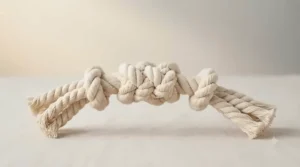
Safe tug play for young dogs comes down to a small handful of non-negotiable habits, and getting them right early prevents most of the problems owners run into later. Always let your puppy set the pace — the golden rule is never to exert more pulling force than your dog gives back, since puppy jaws and developing spines simply aren’t built for adult-strength tugging. Move the toy side to side rather than up and down, and never lift a puppy off their feet mid-game; that motion puts real strain on a young neck.
Blue Cross’s guidance on puppy biting and mouthing notes that big, soft toys tend to work best for mouthy puppies because they offer a large surface area to grip, making it far less likely your puppy accidentally latches onto your hand instead — a genuinely useful reason to size your rope appropriately rather than grabbing whatever’s cheapest. If your puppy’s teeth ever touch your skin during play, pause the game immediately and calmly; consistency here teaches bite inhibition faster than almost any other single technique.
Keep sessions short, structured, and supervised, always finishing with your puppy still wanting a bit more rather than pushed to exhaustion or over-arousal. And crucially: never play tug with a puppy who’s already showing signs of resource guarding or possessiveness over toys — introduce structured “drop it” training first, then reintroduce tug once that foundation is solid.
How to Choose Small Rope Tugs for Young Dogs
Choosing between small rope tugs for young dogs gets far easier once you break it down into a handful of concrete criteria rather than scrolling endless product listings hoping one jumps out.
- Match rope diameter to jaw size. A rope that’s too thick can genuinely be uncomfortable for a tiny mouth to grip, while one that’s too thin offers little for a puppy to bite down on confidently.
- Check the material blend. Pure cotton is generally softer for very young teethers; cotton-poly or sisal blends favour older, tougher chewers who need durability over gentleness.
- Consider washability. Machine-washable toys are genuinely worth prioritising given how much drool a teething puppy produces daily.
- Look at knot construction. Tightly wound, secure knots resist unravelling far better than loosely braided alternatives — loose strands can become a minor choking risk if swallowed.
- Factor in length. Longer ropes give your puppy room to reposition their grip mid-game, reducing accidental nips to your hand.
- Think about growth stage. A toy sized and textured for an 8-week-old will likely need replacing by 5-6 months as jaw strength and tooth structure change significantly.
- Weigh price against expected lifespan. A slightly pricier, more durable toy can genuinely work out cheaper than replacing a budget one three times over.
A recent piece of peer-reviewed research from Texas Tech University, published in Frontiers in Behavioral Neuroscience, examined how different chew toy characteristics influence engagement in dogs, reinforcing that texture and sensory appeal genuinely do change how much a puppy interacts with a toy — not just marketing copy, but measurable behaviour.
When to Start Tug Training With Your Puppy
The honest answer to when to start tug training is: gently, and earlier than most new owners expect. Most vets and behaviourists agree that structured, low-intensity tug can begin as soon as your puppy shows interest in a toy — often from 8 weeks old — provided the pressure genuinely stays minimal throughout. The goal at this age isn’t a competitive game; it’s teaching your puppy that toys, not hands or trouser legs, are the appropriate outlet for that natural urge to bite and pull.
What changes over time isn’t whether to play tug, but how much resistance you offer. Between 8 and 16 weeks, while baby teeth are still present and loose, keep tension almost nonexistent — think “gentle wobble” rather than genuine pulling. From around 4-6 months, as adult teeth settle in and jaw strength increases noticeably, you can introduce slightly firmer play, always still led by your puppy’s own pulling force rather than yours.
Formal tug training — using it deliberately to reinforce “take it” and “drop it” commands — tends to work best once your puppy already has a reliable sit and basic focus around you, generally from around 12 weeks onward. Rushing structured training before that foundation exists usually just creates a puppy who’s excited but not actually listening, which rather defeats the point.
Cotton Rope Tugs vs Rubber and Plush Alternatives
| Feature | Cotton Rope | Rubber (e.g. KONG-style) | Plush/Soft Toys |
|---|---|---|---|
| Dental benefit | High — flossing action between teeth | Moderate — chew resistance, not flossing | Low |
| Durability | Moderate, varies by blend | High | Low-moderate |
| Best For | Interactive tug and teething relief | Solo chewing, freezable relief | Comfort, cuddling, gentle mouthing |
| Washability | Usually machine washable | Wipe-clean or dishwasher-safe | Often machine washable, dries slowly |
The analysis here is fairly clear-cut: cotton rope genuinely wins on interactive engagement and the flossing-style dental action that rubber and plush simply can’t replicate, which is exactly why products like the Rosewood Twistables Rope Tug Toy pair so well with a solo rubber chew like the KONG Puppy Goodie Bone with Rope for different moments of the day. Rubber toys, meanwhile, edge ahead on raw durability and are better suited to unsupervised chewing sessions, while plush toys serve an entirely different emotional function — comfort — rather than genuine teething relief or tug interaction.
Most experienced owners end up running all three categories simultaneously rather than picking one lane, rotating them based on whether the moment calls for active play, independent chewing, or simple comfort.
Common Mistakes When Buying Puppy-Safe Tug Toys
Even well-intentioned owners trip up in fairly predictable ways when shopping for puppy-safe tug toys. The most common error is buying based purely on size labelling without checking material firmness — a “small” sisal-cotton rope can still be firmer on gums than a “medium” pure cotton one, so texture matters as much as dimensions.
A second frequent mistake is skipping washability entirely, which sounds trivial until you’re three weeks in and realise your puppy’s favourite rope smells distinctly unpleasant and can’t go anywhere near a washing machine. Third, many owners buy a single toy and expect it to last the entire puppyhood — but as covered in the “When to Start Tug Training” section above, jaw strength and tooth structure change dramatically between 8 weeks and 6 months, so most puppies genuinely need at least two different toys across that window.
Finally, some buyers overlook knot construction entirely, focusing on colour or branding instead. Loose, poorly bound knots fray faster and can shed small fibres that puppies occasionally swallow — not usually dangerous in tiny amounts, but worth minimising by checking construction quality before purchase rather than after.
Long-Term Cost & Maintenance of Cotton Rope Tugs
Thinking purely in cost-per-use terms changes the calculation for most buyers. A £6 budget rope that unravels within six weeks and needs replacing three times before your puppy reaches adulthood ends up costing more than an £14 premium option like the Mammoth Flossy Chews Color Rope Tug, which reviewers consistently report surviving well into adult chewing habits. That’s not an argument to always buy premium — a genuinely gentle teething-stage toy is still worth its lower price during those first few months regardless of longevity, since your puppy will physically outgrow the need for that specific softness anyway.
Maintenance is minimal but not optional: regular washing, periodic inspection for loose or fraying strands, and retiring the toy once knots start genuinely coming apart rather than continuing to offer it “just in case.” Blue Cross’s advice on dogs and chewing makes a similar point about rotating and tidying away chew items when unsupervised — a frayed rope that’s shedding fibres has moved from a fun teething aid to a minor ingestion risk, and it’s simply not worth the gamble for the sake of a few more weeks of use.
Frequently Asked Questions
❓ Is a cotton rope tug safe for an 8-week-old puppy?
❓ How often should I wash my puppy's rope toy?
❓ Can rope toys hurt a puppy's teeth?
❓ How long should a tug session last with a young puppy?
❓ What size rope tug is best for a small breed puppy?
Conclusion
Choosing the right cotton rope tug for puppies isn’t really about finding the single “best” product — it’s about matching texture, size, and durability to exactly where your puppy sits developmentally right now, then adjusting as they grow. A tiny, teething 8-week-old and a boisterous 5-month-old genuinely need different things from a rope toy, even if both fall under the same broad product category.
Across the seven options covered here, the Rosewood Twistables Rope Tug Toy stands out as the most genuinely well-rounded pick for most puppies, the KONG Puppy Goodie Bone with Rope earns its place for the very youngest teethers, and the Mammoth Flossy Chews Color Rope Tug rewards owners planning for the long haul. Whichever you land on, the safety fundamentals matter more than the specific brand: gentle pressure, short sessions, supervised play, and a toy that’s actually built for a puppy’s stage of development rather than just labelled that way.
Recommended for You
- Rope Tug Toy for Dogs: 7 Brilliant Picks Tested for 2026
- Long-Lasting Flavoured Chew Toys for Dogs: 7 Best UK Picks (2026)
- Flavoured Chew Toys for Picky Dogs: 7 Best Picks (2026)
Disclaimer: This article contains affiliate links. As an Amazon Associate, I earn from qualifying purchases. If you purchase products through these links, we may earn a small commission at no additional cost to you.
✨ Found this helpful? Share it with your friends! 💬🤗
