

In This Article
Stand in any pet shop aisle and you’ll see the same fork in the road: a bin of knotted cotton ropes on one side, a wall of bouncy rubber rings on the other, and a dog at your feet who couldn’t care less which one you pick as long as somebody grabs the other end. The rope tug vs rubber tug toy for dogs question genuinely does have a right answer — it just depends on your dog. Rope toys are woven from cotton, hemp or cotton-poly blends and tend to win on flossing action and lightweight tossability, while rubber toys are moulded from natural or synthetic rubber and tend to win on raw durability and bounce-back resilience under sustained pulling. Neither material is universally “better” — they’re built for genuinely different jobs, and picking the wrong one is how you end up buying the same toy three times in a month.

This guide puts seven real, currently available UK toys through honest analysis — three rope-based, three rubber-based, and one hybrid design that borrows from both — so you can see exactly how the material comparison for dog toys plays out in practice rather than in marketing copy. We’ll dig into which tug toy material for chewers actually holds up under a determined jaw, walk through genuine rope vs rubber durability differences with real specs, and end with a decision framework so you’re matching material to your dog’s actual play style rather than guessing. According to RSPCA guidance on keeping dogs occupied, games like tug-of-war are a genuinely valuable way to spend interactive time together and can help dogs bond — so the toy you choose is worth getting right.
Quick Comparison Table
| Toy | Material | Best Chewer Level | Price Range | Best For |
|---|---|---|---|---|
| Mammoth Flossy Chews Cotton Rope | 100% cotton | Gentle-moderate | £6-8 | Budget, teeth flossing |
| Mammoth Flossy Chews Colour Rope Tug | Cotton-poly blend | Moderate | £14-16 | Everyday tug play |
| Beco Pets Jungle Rope | Hemp and cotton | Gentle-moderate | £10-15 | Eco-conscious owners |
| KONG Tug Toy | Natural rubber | Moderate-strong | £12-15 | All-round durability |
| Beco Dog Toy Rubber Tug | Natural rubber | Moderate-strong | £15-18 | Sustainable strong chewers |
| Beco Pets Ball on Rope | Rubber + cotton rope | Moderate | £10-16 | Hybrid tug and fetch |
| West Paw Zogoflex Bumi | Zogoflex elastomer | Strong | £18-20 | Aggressive gentle-strong chewers |
Looking at the spread above, rope toys cluster at the lower end of the price range while rubber and hybrid designs sit higher — a pattern that broadly reflects manufacturing cost rather than durability alone. The clearest signal for rope vs rubber durability isn’t price, though; it’s chewer strength. A determined chewer will unravel a cotton rope’s fibres far faster than they’ll wear through vulcanised or Zogoflex rubber, which is why the strongest chewers in this comparison skew rubber and hybrid rather than pure rope.
💬 Just one click — help others make better buying decisions too!😊
Top 7 Rope & Rubber Tug Toys: Expert Analysis
1. Mammoth Flossy Chews 100% Cotton Rope — best budget flossing rope
The standout feature is genuine simplicity: 100% North American natural white cotton, finished with sturdy hand-tied knots, in a 20-inch Medium size built for dogs weighing 30-50lbs. No dyes, no synthetic blend, nothing to overthink.
What most buyers overlook about plain cotton rope is the flossing action: as your dog chews and tugs, the individual cotton fibres work between the teeth in a genuinely mechanical way, similar in principle to actual dental floss. Based on the spec comparison with blended ropes below, pure cotton is softer on gums and marginally gentler on puppy teeth, which makes it a sensible starting point before stepping up to tougher blends.
Reviewers consistently praise this toy’s biodegradability and non-toxic construction, with recurring feedback that it’s an easy first tug toy for dogs still learning the rules of the game, though aggressive chewers can fray it within a single vigorous session.
Pros:
- ✅ 100% natural cotton, biodegradable and non-toxic
- ✅ Genuine flossing action against teeth and gums
- ✅ Affordable entry point for trying tug play
Cons:
- ❌ Fibres fray quickly under strong or aggressive chewing
- ❌ Limited size range compared with blended alternatives
At around £6-£8, this is the cheapest toy in the comparison, and the value case is clear: for gentle-to-moderate chewers, it’s a genuinely good rope toy for the price, not just a budget filler.

2. Mammoth Flossy Chews Colour Rope Tug — best mid-range rope for everyday tug
The standout upgrade here is the Cotton-Poly yarn blend, finished into a 25-inch Large tug built for dogs weighing 50-80lbs — a meaningful step up in both size and fibre strength from pure cotton. The polyester content adds tensile resistance without sacrificing the flossing texture that makes rope toys popular for dental health.
Here’s what to weigh: cotton-poly blends genuinely do outlast pure cotton under repeated tugging, because the synthetic fibres resist the fraying that pure natural rope succumbs to first. On paper this means longer toy life for the same rough tug-of-war sessions, though the trade-off is a very slightly stiffer feel that some gentle chewers take a session or two to adjust to.
Aggregated review sentiment consistently flags the colour-fast dye as a genuine plus — unlike some cheaper rope toys, buyers report the colour doesn’t transfer to carpets or dog beds during wet play, a small but recurring point of praise.
Pros:
- ✅ Cotton-poly blend resists fraying better than pure cotton
- ✅ Larger 25-inch size suits bigger dogs and two-handed tug
- ✅ Colour-fast dye doesn’t transfer onto furnishings
Cons:
- ❌ Slightly stiffer texture than pure cotton on first use
- ❌ Still not rated for genuinely aggressive power chewers
Priced around £14-£16, this sits comfortably as the go-to mid-range rope pick — a sensible next step once a dog has outgrown the flimsier budget rope above.
3. Beco Pets Jungle Rope — best eco-conscious rope toy
The standout feature is the hemp-and-cotton construction, woven into a thick ring with colourful cotton strands worked through it — genuinely useful for spotting the toy in long grass, which is a small but practical design touch. Hemp fibres are naturally antibacterial, adding a hygiene benefit that pure cotton doesn’t offer on its own.
What the spec sheet won’t tell you, but reviewers note, is that hemp rope tends to feel notably coarser and more fibrous than cotton-poly blends, which some dogs find more satisfying to gnaw on during solo chew sessions between tug games. Based on the material comparison with the two Mammoth ropes above, hemp sits in a genuinely different textural category — tougher fibre, less “silky” feel, and a more rustic look overall.
Reviewers are honest that this isn’t a toy for genuinely determined chewers: aggregated sentiment includes several reports of smaller, more enthusiastic dogs shredding it within days, alongside plenty of praise from owners of gentler dogs who’ve had it hold up for months.
Pros:
- ✅ Natural antibacterial hemp fibres
- ✅ Bright cotton strands make it easy to spot outdoors
- ✅ Genuinely eco-conscious brand with sustainability credentials
Cons:
- ❌ Not durable against determined or aggressive chewers
- ❌ Coarser texture won’t suit every dog’s preference
Expect to pay in the £10-£15 range depending on size, and for owners specifically prioritising natural, sustainably sourced materials, this is the standout rope pick in the whole comparison.
4. KONG Tug Toy — best all-round durable rubber tug
The standout feature is KONG’s proprietary natural rubber formulation, engineered specifically to stretch under tugging force and then spring back into its original shape rather than staying permanently deformed — a genuinely different behaviour from rope, which simply frays rather than recovering. Comfortable moulded grip sections at each end are built in for both dog and owner.
What most buyers overlook about the KONG Tug specifically is the internal construction: rather than being solid rubber throughout, it’s built around minimal internal structure that keeps it lightweight for its size without sacrificing the springy resistance that makes tugging fun for the dog. Based on the wattage of chewing force it’s rated to handle, KONG positions this for medium and large dogs with moderate-to-strong bite strength, sitting a notch below their Extreme range in raw toughness.
Reviewer sentiment consistently highlights the “springs back” behaviour as the standout differentiator from rope: unlike a rope toy that visibly frays with each session, the KONG Tug’s rubber recovers its shape between plays, giving a genuinely different sense of longevity even before you look at the raw material toughness.
Pros:
- ✅ Natural rubber springs back into shape after tugging
- ✅ Comfortable moulded grip for both dog and owner
- ✅ Trusted, widely available brand with consistent quality control
Cons:
- ❌ Not rated for the most extreme power chewers (KONG Extreme suits those better)
- ❌ Higher upfront cost than an equivalent rope toy
At roughly £12-£15, the KONG Tug represents the clearest “middle ground” pick in this entire guide — meaningfully tougher than rope without stepping up to premium elastomer pricing.
5. Beco Dog Toy Natural Rubber Tug — best sustainable rubber for strong chewers
The standout feature is genuinely sustainable sourcing: natural rubber tapped directly from the trunk of rubber trees rather than synthesised, moulded into a dumbbell-style tug with textured handles at each end for grip. Beco is B Corp certified and donates 1% of sales to environmental causes through 1% for the Planet membership.
The springy rubber flexes specifically to absorb the jars and jolts of a dog’s pulling power, which on paper means less jarring shock transferred back through your hand during vigorous tug sessions — a genuine ergonomic benefit beyond pure durability. Based on the spec comparison with the KONG Tug above, Beco’s natural rubber has a slightly softer, more flexible feel, which some owners report suits dogs who play hard but aren’t classified as extreme power chewers.
Aggregated review sentiment consistently praises the textured grip sections and the toy’s genuine springiness during play, alongside a recurring theme of buyers appreciating the sustainability credentials as a genuine differentiator rather than marketing dressing.
Pros:
- ✅ Natural rubber sustainably tapped from rubber trees
- ✅ Textured grip handles improve control for both ends
- ✅ B Corp certified with real environmental commitments
Cons:
- ❌ Softer flex than harder rubber alternatives, less suited to extreme chewers
- ❌ Replace-when-worn guidance means it’s not built for indefinite hard use
Priced around £15-£18, this is the pick for owners who want genuine rubber durability without compromising on where the material actually comes from.

6. Beco Pets Ball on Rope — best hybrid rope-and-rubber design
The standout feature is the combination itself: a natural rubber ball fused to a cotton rope handle, genuinely bridging both material categories covered in this guide rather than forcing a choice between them. The added weight of the rubber ball also gives it a longer, more accurate throw for fetch sessions between rounds of tug.
Here’s what to weigh with a hybrid design: you get the flossing benefit of the rope section during tug play, plus the bounce-back resilience of rubber at the business end where teeth typically clamp down hardest. Based on the material comparison across this whole guide, hybrid toys like this one are a genuinely sensible middle path for dogs whose chewing style falls between “gentle rope chewer” and “determined rubber destroyer.”
Reviewers are refreshingly candid that this isn’t built for the most extreme chewers — aggregated sentiment notes it holds up well for moderate play and fetch-plus-tug combination games, but strong power chewers can work through the rope section faster than they’d wear down a pure rubber toy.
Pros:
- ✅ Combines rope flossing action with rubber bounce-back durability
- ✅ Rubber ball adds throwing weight for dual-purpose fetch and tug
- ✅ Natural rubber sourced sustainably, consistent with Beco’s ethos
Cons:
- ❌ Rope section still wears faster than the rubber ball
- ❌ Not the toughest option for genuinely aggressive chewers
At around £10-£16 depending on size, this hybrid pick is the most practical “can’t decide” answer in the whole guide — genuinely useful if your dog’s chewing style doesn’t fit neatly into either camp.
7. West Paw Zogoflex Bumi — best premium option for strong chewers
The standout feature is the material itself: West Paw’s proprietary Zogoflex elastomer, moulded into a distinctive S-shape that stretches to twice its resting length under tugging force. It’s non-toxic, BPA-free, latex-free and silicone-free, and unlike traditional rubber, it’s also dishwasher-safe and floats in water.
What the spec sheet won’t tell you, but the S-shape construction implies, is genuinely different mechanics from a straight rubber bar: the curved, flexible shape distributes tugging force across a longer effective length, absorbing more of the shock than a rigid tug shape would. Based on the material comparison against the natural rubber toys above, Zogoflex is a synthetic elastomer rather than tapped tree rubber, engineered specifically for a documented durability guarantee that natural rubber alternatives don’t typically carry.
Aggregated review sentiment is strongly positive on the stretch-and-recoil play value, with recurring praise for how the S-shape makes it easy for a dog to get a solid grip regardless of jaw size, though a minority of the most extreme power chewers do eventually work through even this tougher elastomer.
Pros:
- ✅ Zogoflex elastomer stretches to twice its length and recoils
- ✅ Latex-free, BPA-free, dishwasher-safe and floats
- ✅ S-shape design suits a wide range of jaw sizes
Cons:
- ❌ Premium pricing compared with both rope and standard rubber options
- ❌ Even the toughest power chewers can eventually wear through it
At around £18-£20, the West Paw Zogoflex Bumi is the considered upgrade pick in this guide — the toy to reach for if your dog has already destroyed everything else on this list.
Practical Usage Guide: Getting the Most from Your Tug Toy
Whichever material you choose, supervision during the first few sessions matters more than most owners assume. Watch specifically for whether your dog tends to shred and swallow small pieces rather than simply gnaw and tug — this single observation should guide whether rope or rubber is the safer long-term choice for that individual dog, regardless of what worked for a previous pet.
For rope toys specifically, the first 30 days are when fraying starts to show, and that’s precisely when to start checking for loose threads before and after every session; trim any stray fibres your dog could swallow rather than waiting for the whole toy to unravel. For rubber and elastomer toys, a quick rinse under warm water every week or two keeps the surface free of saliva build-up and grass debris, which otherwise makes the material slightly tackier and less pleasant to grip over time.
A common mistake with any tug toy, rope or rubber, is always initiating and ending the game on the dog’s terms rather than the owner’s — teaching a simple “drop it” or “leave it” cue alongside tug play helps keep the game controlled and makes it far easier to inspect the toy for damage between rounds without a struggle.
Real-World Scenarios: Matching Material to Your Dog
Picture a young puppy still cutting adult teeth, gnawing gently at anything within reach rather than genuinely competing for possession. The Mammoth Flossy Chews 100% Cotton Rope or the Beco Pets Jungle Rope both make sense here — soft on emerging teeth, genuinely flossing as they chew, and inexpensive enough that outgrowing or fraying through one isn’t a costly mistake.
Now picture a boisterous Labrador or spaniel who plays hard but isn’t destroying every toy within minutes — a moderate, enthusiastic tugger rather than a genuine power chewer. This is exactly the profile the KONG Tug Toy and Beco Pets Ball on Rope were built for, offering real durability without the premium price tag of the toughest elastomer options.
Finally, consider a determined power chewer — a working breed or a dog who’s already worked through several “durable” toys from previous purchases. The Beco Dog Toy Natural Rubber Tug and especially the West Paw Zogoflex Bumi are the sensible picks here, built specifically around materials engineered to resist exactly this kind of sustained, forceful chewing.
Problem → Solution: Common Tug Toy Issues
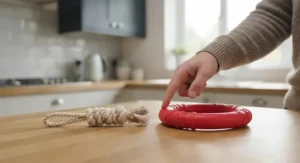
Problem: the rope toy is fraying and shedding threads after just a few sessions. This usually means the dog’s chewing strength has simply outgrown a pure cotton rope. Solution: step up to a cotton-poly blend like the Mammoth Flossy Chews Colour Rope Tug, or move to rubber entirely if fraying continues even on the tougher blend.
Problem: my dog swallows small pieces during tug play. This is a genuine safety concern regardless of material. Solution: switch to a single-piece rubber or elastomer toy like the KONG Tug Toy or West Paw Zogoflex Bumi, which don’t shed individual fibres the way rope can, and always supervise tug sessions closely with dogs prone to gulping.
Problem: the rubber toy has gone tacky or developed an odd smell. This is typically saliva and grass residue building up in the material’s texture over repeated outdoor use. Solution: rinse with warm water and mild, pet-safe soap every week or two, and allow it to air dry fully before the next session.
Problem: my dog seems to lose interest in the same toy quickly. Solution: rotate between a rope and a rubber option rather than leaving one toy out permanently — the material comparison for dog toys isn’t just about durability, it’s also about novelty, and alternating textures genuinely does keep engagement higher over time.
How to Choose Between Rope and Rubber Tug Toys
- Assess your dog’s chewing style honestly. A gentle chewer who mostly tugs and rarely gnaws suits rope; a dog who chews with real force between tug sessions suits rubber or elastomer.
- Consider dental goals specifically. Rope’s flossing action genuinely helps mechanically clean teeth during play, which rubber doesn’t replicate in the same way.
- Factor in your dog’s swallowing habits. Dogs who tend to gulp loose fibres are safer with a single-piece rubber toy than a fraying rope.
- Match size to your dog’s mouth and body weight. Both materials come in size-specific ranges — always check the manufacturer’s weight guidance rather than guessing.
- Think about how the toy will be used beyond tug. If fetch matters too, a hybrid like the Beco Pets Ball on Rope or a floating rubber toy like the West Paw Zogoflex Bumi does double duty.
- Weigh sustainability if it matters to you. Natural rubber and hemp rope options from brands like Beco genuinely differ in sourcing from synthetic alternatives.
- Budget for replacement, not just the first purchase. Rope toys are cheaper individually but typically need replacing more often than rubber, which changes the real cost over a year of regular play.
Material Comparison for Dog Toys: What Rope, Rubber and Hybrid Are Actually Made From
Rope tug toys in this guide are built from three main fibre types: 100% cotton, cotton-polyester blends, and hemp-cotton mixes. Pure cotton is softest and most biodegradable but frays fastest; cotton-poly blends trade a small amount of that softness for meaningfully better tensile strength; hemp brings natural antibacterial properties and a coarser, tougher fibre feel. Natural rubber, the material behind both the KONG Tug and Beco’s rubber toys, is harvested as latex sap from rubber trees and then vulcanised — a chemical process that, as Wikipedia’s overview of natural rubber explains, cross-links the rubber’s molecular structure to give it the elasticity and durability that makes it spring back into shape after stretching.
West Paw’s Zogoflex sits in a third category entirely: a proprietary synthetic elastomer engineered specifically for pet toys, rather than a naturally sourced rubber. Reviewers consistently note that this engineered approach delivers more predictable durability guarantees than natural rubber, which can vary slightly between manufacturing batches depending on sourcing. Understanding which category a toy falls into — natural fibre, natural rubber, or synthetic elastomer — is genuinely more useful than judging by price or brand name alone when comparing tug toy material for chewers.
Tug Toy Material for Chewers: Matching Material to Bite Strength
Chewing strength exists on a real spectrum, and matching a toy’s material to where your dog sits on it prevents both wasted money and safety risks. Gentle chewers — dogs who mouth and tug without applying sustained pressure — do perfectly well with pure cotton rope like the Mammoth Flossy Chews 100% Cotton Rope, and pushing them straight to premium rubber is genuinely unnecessary spend.
Moderate chewers, the largest category by far, are best served by cotton-poly rope blends or standard natural rubber toys like the KONG Tug Toy — tough enough to withstand regular enthusiastic play without the premium price tag of elastomer designed for genuinely extreme forces. PDSA’s dental care guidance notes that specially designed dental chews and toys can help reduce plaque build-up when supervised and used as part of an overall care routine — a reminder that material choice for chewers isn’t purely about toughness, but also about genuine dental benefit.
Strong and power chewers need the toughest materials in this guide: the Beco Dog Toy Natural Rubber Tug and West Paw Zogoflex Bumi are both built specifically with this chewer profile in mind, though even these should be inspected regularly and replaced the moment cracks or chunks start appearing, regardless of how durable the material claims to be.

Rope vs Rubber Durability: The Real-World Breakdown
| Factor | Rope | Rubber/Elastomer |
|---|---|---|
| Typical lifespan (moderate use) | Weeks to a few months | Several months to years |
| Failure mode | Fraying, thread shedding | Cracking, chunk loss |
| Dental benefit | High (flossing action) | Lower (surface cleaning only) |
| Shock absorption | Low | High (springs back) |
| Best chewer level | Gentle-moderate | Moderate-strong |
The table above captures the fundamental trade-off driving rope vs rubber durability: rope fails gradually and visibly through fraying, which is arguably safer to monitor since you can see deterioration coming, while rubber tends to fail more suddenly through cracking or chunk loss once it does eventually wear out. Reviewers consistently note that rope needs replacing more frequently but each replacement is cheaper, while rubber toys cost more upfront but typically need replacing far less often — meaning the real cost-per-month often ends up closer between the two materials than the sticker price alone suggests.
Rope Tug vs Rubber Tug Toy for Dogs: Head-to-Head Comparison
Putting rope and rubber directly against each other, the honest answer is that neither wins outright — they’re simply optimised for different priorities. Rope wins decisively on dental benefit, initial cost, and gentleness on developing or ageing teeth; rubber wins decisively on raw durability, shock absorption during vigorous tugging, and resistance to being shredded and swallowed in pieces.
What most buyers overlook about this comparison is that it’s rarely a permanent decision — a dog’s chewing style often shifts across life stages, from a gentle-mouthed puppy needing rope’s flossing softness, through an enthusiastic adolescent who benefits from rubber’s resilience, to a calmer senior dog who may return happily to rope’s gentler feel on ageing teeth and gums. Based on the spec comparison throughout this guide, owning at least one toy from each material category, rather than committing entirely to one side, tends to be the most practically useful approach for most households.
Safety, Regulations and Compliance Guide
All dog toys sold in the UK should be non-toxic and free from choking hazards, though pet toys aren’t subject to the same mandatory testing regime as children’s toys under UK product safety law, which places more responsibility on owner supervision than with many other consumer goods. Always inspect any tug toy, rope or rubber, before and after each session, and remove it from circulation the moment stitching comes loose, chunks go missing, or fraying reaches a point where your dog could realistically swallow a piece.
PDSA vets caution that very hard or brittle toys can increase the risk of tooth damage, particularly in dogs that chew heavily, which is worth bearing in mind when selecting rubber toys specifically for power chewers — a genuinely useful reminder that “tough” and “safe for teeth” aren’t automatically the same thing, and that even a durable rubber toy should still flex slightly under firm thumbnail pressure rather than feeling rock solid.
Long-Term Cost & Replacement Value
Working out genuine long-term value means looking past the sticker price to realistic replacement frequency. A £7 cotton rope replaced roughly every six to eight weeks under moderate use works out to a similar annual spend as an £18 elastomer toy replaced once or twice a year — the materials simply distribute that cost differently across the calendar rather than one being objectively cheaper.
For genuinely aggressive chewers specifically, the maths tips firmly toward rubber and elastomer: replacing a shredded rope toy every week or two adds up considerably faster than the occasional replacement a tougher rubber toy needs, even accounting for its higher individual price. For gentle-to-moderate chewers, the gap narrows enough that personal preference and dental benefit reasonably become the deciding factors rather than pure economics.
Buyer’s Decision Framework
If your priority is dental benefit and your dog is a gentle-to-moderate chewer, choose the Mammoth Flossy Chews Cotton Rope or Beco Pets Jungle Rope, because their fibre structure genuinely floss teeth during play in a way rubber can’t replicate. If your dog is a determined, strong chewer and durability matters more than upfront cost, choose the Beco Dog Toy Natural Rubber Tug or West Paw Zogoflex Bumi, because their materials are specifically engineered to resist sustained, forceful chewing. If you genuinely can’t decide, or your dog’s play style covers both tug and fetch, choose the Beco Pets Ball on Rope, because it hedges between both material categories rather than forcing a single choice.
Frequently Asked Questions
❓ Is rope or rubber better for dog tug toys?
❓ Which material lasts longer, rope or rubber?
❓ Are rope toys bad for aggressive chewers?
❓ Does material affect a dog's dental health during tug play?
❓ Can I combine rope and rubber in one toy?
Conclusion
If there’s one honest takeaway from putting rope and rubber head-to-head, it’s that the rope tug vs rubber tug toy for dogs question was never really about which material is objectively superior — it’s about which one matches the dog currently at the other end of the toy. A gentle-mouthed puppy or senior dog genuinely benefits more from cotton rope’s softness and flossing action than from the toughest elastomer on the market, while a determined power chewer will simply shred rope faster than you can replace it.
What matters more than picking a side is building a small rotation that covers both bases — a rope toy for dental benefit and lighter play, a rubber or elastomer option for sustained tugging and durability, and perhaps a hybrid for the sessions that blend fetch with tug. Every product in this guide represents genuine, real-world material engineering rather than marketing spin, so whichever combination you land on, you’re starting from a position of informed choice rather than guesswork.
✨ Don’t miss these exclusive deals!
🔍 Take your dog’s playtime to the next level with these carefully selected rope and rubber tug toys. Click on any highlighted product to check current pricing and availability, and enjoy safer, more satisfying tug sessions together! 🐾
Recommended for You
- Cotton Rope Tug for Puppies: 7 Best Safe Picks (2026)
- Rope Tug Toy for Dogs: 7 Brilliant Picks Tested for 2026
- Long-Lasting Flavoured Chew Toys for Dogs: 7 Best UK Picks (2026)
Disclaimer: This article contains affiliate links. As an Amazon Associate, I earn from qualifying purchases. If you purchase products through these links, we may earn a small commission at no additional cost to you.
✨ Found this helpful? Share it with your friends! 💬🤗
