
In This Article
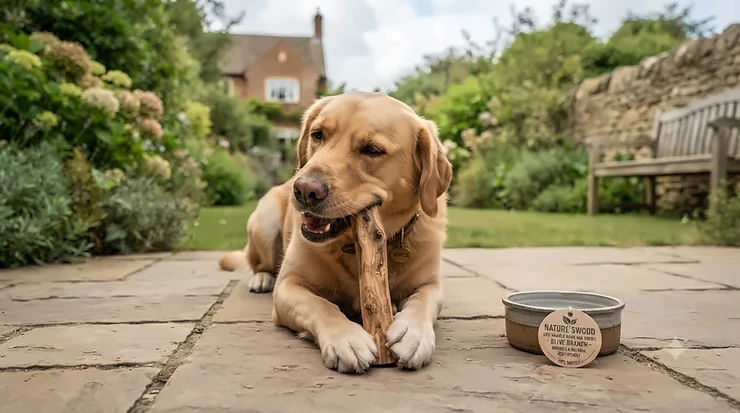
There’s a particular kind of guilt that comes from watching your dog demolish yet another plastic toy within the hour — not because the toy failed, but because you already suspected it would end up in landfill by teatime. Sustainable wood dog chews solve a problem most pet owners don’t realise they have: the average dog toy box is a small, ongoing environmental cost that rarely gets questioned, right up until you start actually reading the packaging.
The appeal of wood chews isn’t just eco-conscious box-ticking, either. Dogs have chewed on branches, roots, and sticks since long before anyone invented a squeaky toy, and a genuinely sustainable wood chew taps into that instinct without the plastic residue, without questionable dyes, and — when sourced properly — without contributing to the deforestation crisis that timber-hungry industries have quietly fuelled for decades.
This guide compares seven real wood chews currently available on amazon.co.uk, from budget-friendly root chews to premium certified options, and explains what “sustainable” actually means on a pet product label rather than what marketing departments hope it implies. Expect honest analysis of sourcing claims, real customer feedback, and the genuine trade-offs between coffee wood, olive wood, and the handful of certified alternatives worth knowing about.
What Are Sustainable Wood Dog Chews?
Sustainable wood dog chews are natural chewing products made from tree material — typically olive wood, coffee wood, or root offcuts — sourced from renewable, responsibly managed supplies rather than clear-felled or unregulated forestry, and processed without added chemicals, glues, or artificial preservatives.
The “sustainable” claim rests on two separate things worth untangling: where the wood physically comes from, and how the tree itself is used. Coffee and olive wood chews, for instance, are typically made from branches pruned during normal orchard and plantation maintenance — wood that would otherwise be burned or discarded — rather than trees felled specifically for pet products. According to the Forest Stewardship Council UK, formal certification goes a step further, independently verifying that forest management meets defined environmental and social standards across the entire supply chain.
Quick Comparison Table
| Product | Wood Type | Best For | Price Range |
|---|---|---|---|
| Antos Origins Natural Tuber Root Chew | Tuber root, FSC-labelled | Budget-conscious first-time buyers | £4-£7 |
| Wildfang Olive Wood Dog Chew | Olive wood | Gentle and puppy chewers | £8-£12 |
| Wildfang Coffee Wood Dog Chew | Coffee wood | Aggressive, heavy chewers | £8-£12 |
| Woodbone Coffee & Olive Wood Chew | Coffee/olive wood blend | Small UK eco-brand shoppers | £6-£10 |
| Fuzzl Olive Stix | Olive wood | Value multi-packs | £6-£9 |
| Artisan Gift Co Natural Olive Wood Chew | Olive wood | UK small-business support | £5-£8 |
| Beco Bone Natural Rubber Chew | Natural rubber, FSC-sourced | Certified sustainable-timber premium pick | £8-£13 |
Scanning across this table, a genuine split emerges between two sourcing models: root and branch chews cut directly from working orchards and coffee plantations (Wildfang, Woodbone, Fuzzl, Artisan Gift Co), and formally certified alternatives that carry independently audited paperwork behind the sustainability claim (Antos Origins and Beco Bone). Neither approach is automatically better — but if a paper trail matters more to you than the wood itself, the certified options deserve a closer look before the others.
💬 Just one click — help others make better buying decisions too!😊
Top 7 Sustainable Wood Dog Chews: Expert Analysis
Coverage below spans budget, mid-range, and premium picks, plus a genuine certified alternative, so you can match sourcing credentials to your own priorities rather than guessing from packaging alone.
1. Antos Origins Natural Tuber Root Chew — best budget-friendly certified pick
Antos Origins Natural Tuber Root Chew stands out from the moment you check the listing, thanks to sustainability labelling recognised directly on Amazon’s own product page confirming FSC-related sourcing credentials for the wood-based material. Hand-harvested rather than machine-cut, each chew comes from a genuinely eco-conscious source, positioning it as one of the more transparently sourced budget options on this list.
Based on the spec comparison against pricier rivals, what this chew lacks in polish it makes up for in straightforward honesty — it’s low in fat, free from additives and artificial ingredients, and specifically marketed as suitable for puppies as well as adult dogs. Reviewers consistently note it holding up well through teething phases without excessive shredding, with several specifically praising how little mess it leaves compared with more fibrous alternatives.
Pros:
- ✅ Sustainability credentials recognised on the product listing itself
- ✅ Hand-harvested, low-fat, and free from additives
- ✅ Well suited to puppies going through teething
Cons:
- ❌ Smaller sizes wear down faster than denser wood alternatives
- ❌ Less widely available than the bigger olive and coffee wood brands
At around £4-£7 depending on size, it’s the most accessible entry point on this list, making it a sensible first purchase before committing to a pricier specialist chew.
2. Wildfang Olive Wood Dog Chew — best for gentle and puppy chewers
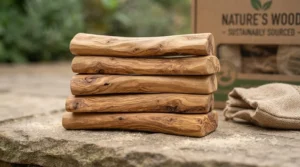
Wildfang Olive Wood Dog Chew takes a deliberately different approach from harder coffee wood alternatives, using dense but comparatively forgiving olive wood that’s hand-inspected, dried, and polished rather than left rough. The manufacturer positions the wood as splinter-resistant by design — rather than snapping into shards, it gradually frays into small, digestible fibres as your dog works through it.
What most buyers overlook about olive wood specifically is how well-suited it is to dogs with dental sensitivities or younger puppies still developing their bite strength, since it offers real resistance without the density that can occasionally chip an adult tooth. Reviewers consistently note that it helps visibly during teething phases, and several specifically mention switching from harder alternatives after their dog seemed uncomfortable, only to find the softer olive wood a better fit.
Pros:
- ✅ Splinter-resistant, fraying design safer than brittle alternatives
- ✅ Gentle enough for dental-sensitive or younger dogs
- ✅ Hand-inspected for consistent size and shape
Cons:
- ❌ Wears down faster than coffee wood under heavy, aggressive chewing
- ❌ Multi-packs mean replacing sticks more frequently than single premium chews
Priced in the £8-£12 range for a multi-pack, it represents solid value once you factor in getting two or three sticks rather than a single item.
3. Wildfang Coffee Wood Dog Chew — best for aggressive, heavy chewers
Wildfang Coffee Wood Dog Chew exists specifically for the dogs that reduce softer toys to confetti within minutes. Made from oven-dried, hand-sanded coffee tree branches sourced from working coffee plantations, this is denser and considerably tougher than the olive wood variant above, built to withstand genuinely powerful jaws rather than casual gnawing.
On paper this means longer-lasting value for owners of strong chewers, and reviewers consistently back that up — the recurring theme across feedback is durability against dogs that have previously destroyed rubber and nylon toys within a single sitting. Here’s what to weigh, though: that same density means it’s not the right starting point for puppies or dogs with any existing dental sensitivity, where the gentler olive wood variant is the more sensible pick.
Pros:
- ✅ Genuinely tough enough for strong, persistent chewers
- ✅ Sourced from working coffee plantation byproduct, not felled trees
- ✅ Rounded, sanded edges reduce injury risk during vigorous chewing
Cons:
- ❌ Too dense and firm for puppies or dogs with dental sensitivity
- ❌ Distinct coffee-wood smell that not every owner finds pleasant
At £8-£12 for a multi-pack, it sits at the same price point as its olive wood sibling, with the choice between them coming down almost entirely to how hard your dog actually chews.
4. Woodbone Coffee & Olive Wood Chew — best small UK eco-brand pick
Woodbone Coffee & Olive Wood Chew comes from a small UK-based pet brand explicitly built around environmental responsibility, offering both olive and coffee wood variants so buyers can match density to their dog’s chewing style within a single, consistently branded range. The company markets its own size guide alongside a straightforward “coffee for heavy chewers, olive for gentler ones” recommendation that removes much of the guesswork other listings leave you with.
What the spec sheet won’t tell you outright is how much this brand leans on transparency as a selling point rather than just sustainability buzzwords — their own site is unusually upfront about the fact that tiny wood fibres will come off during chewing and should be supervised, rather than glossing over normal wear as some competitors do. Reviewers consistently describe it as an “instant hit” across a range of dog sizes, with the small-business, UK-based sourcing appealing specifically to buyers who’d rather support an independent brand than a larger multinational.
Pros:
- ✅ Both olive and coffee wood variants under one transparent brand
- ✅ Small UK business with clear size and safety guidance
- ✅ Free UK-wide delivery included as standard
Cons:
- ❌ Smaller product range than the bigger established brands
- ❌ Slightly higher price than equivalent single-variant competitors
Expect to pay £6-£10 depending on size and wood type, putting it squarely in the mid-range bracket alongside Wildfang.
5. Fuzzl Olive Stix — best value multi-pack
Fuzzl Olive Stix takes the same core olive wood concept as Wildfang’s offering but leans harder into pack-size value, typically bundling two sticks per purchase rather than one. Made from 100% natural olive wood with no added chemicals, flavourings, or artificial ingredients, it’s positioned as a straightforward, no-frills entry into wood chewing for dogs that haven’t tried the format before.
Reviewers consistently note the dental benefits as the standout feature, describing visibly cleaner teeth and reduced plaque build-up after regular use, alongside genuine enthusiasm from their dogs during initial introduction. What most buyers overlook is that Fuzzl markets itself explicitly around sourcing responsibly, positioning the sticks as an eco-friendly alternative to synthetic toys rather than simply a cheaper wood option — worth noting if brand-level sustainability messaging matters to your decision as much as the wood itself.
Pros:
- ✅ Two-stick packs offer stronger value than single-item competitors
- ✅ 100% natural olive wood with no additives or flavourings
- ✅ Genuinely supports dental health through natural fibre action
Cons:
- ❌ Smaller stick size than some single-item premium alternatives
- ❌ Best suited to light-to-moderate chewers rather than power chewers
At £6-£9 for a two-pack, the per-stick cost undercuts several single-item competitors on this list, making it a sensible pick for multi-dog households.
6. Artisan Gift Co Natural Olive Wood Chew — best UK small-business pick
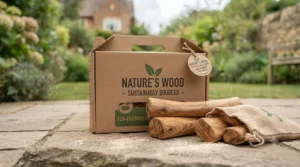
Artisan Gift Co Natural Olive Wood Chew rounds out the olive wood options here as a genuinely independent UK small-business product, frequently appearing bundled alongside bigger brands in comparison listings without losing ground on quality. Sold in saving packs of two sticks, it’s positioned as a long-lasting option for puppy teething as much as general chewing satisfaction.
Based on the spec comparison, this sits very close to Wildfang and Fuzzl in raw material terms — genuine olive wood, hand-selected, free from chemical treatment — with the main differentiator being brand scale rather than product quality. What most buyers overlook when choosing between near-identical olive wood products is that supporting a smaller UK seller, all else being equal, keeps more of the environmental and economic benefit within a shorter, more traceable supply chain than a larger import-heavy competitor.
Pros:
- ✅ Genuine UK small-business seller with direct accountability
- ✅ Saving pack of two sticks improves overall value
- ✅ Suitable for both puppy teething and general adult chewing
Cons:
- ❌ Less brand recognition and fewer reviews than bigger competitors
- ❌ Limited size range compared with more established brands
Priced around £5-£8 for a two-stick pack, it’s competitively positioned against Fuzzl and represents good value for anyone actively seeking to support smaller UK sellers.
7. Beco Bone Natural Rubber Chew — best certified sustainable-timber premium pick
Beco Bone Natural Rubber Chew is the deliberate outlier on this list, and it earns its place here specifically because it demonstrates what “certified sustainable timber pet product” looks like when a brand takes the paperwork seriously rather than just the marketing language. Rather than being carved from solid wood, it’s tapped from the trunks of rubber trees grown in FSC-certified forests, hollow-moulded, and vanilla-scented, giving dogs a springier, bouncier chewing experience than any solid wood stick on this list.
What most buyers overlook is that Beco backs this up with genuine third-party accountability rather than self-certification — the company is B Corp certified, is a 1% for the Planet member donating a share of sales to environmental causes, and is independently verified as climate neutral. Aggregated review sentiment is mixed on raw durability against the most determined chewers, with some reviewers reporting it lasting weeks and others noting it wore through faster than expected against particularly strong jaws, though the treat-hiding hollow design consistently earns praise regardless of durability outcome.
Pros:
- ✅ Sourced from FSC-certified rubber tree forests with verified chain of custody
- ✅ B Corp certified with independently verified climate-neutral status
- ✅ Hollow design doubles as an enrichment toy for hiding treats
Cons:
- ❌ Durability against the most powerful chewers is inconsistent across reviews
- ❌ Higher price point than the solid wood alternatives on this list
At £8-£13 depending on size, it’s the premium pick here — justified less by raw material cost and more by the depth of independently verified sustainability credentials behind it.
Practical Usage Guide: Getting the Most from a Wood Chew
Introducing a wood chew for the first time works best with a little patience rather than simply handing it over and walking away. Offer the chew during a calm moment — after a walk or meal rather than when your dog is already wound up — and stay nearby for the first few sessions so you can see exactly how they handle it. Dogs used to softer plastic or rubber toys sometimes need a day or two to warm up to the firmer resistance wood offers, and that’s entirely normal rather than a sign the product isn’t working.
A common early mistake is choosing a chew that’s too small for confident, determined chewers, which increases the risk of large fragments being bitten off and swallowed rather than gradually worn down. Always size up if you’re unsure, and inspect the chew regularly for sharp splits or a stick that’s been worn down small enough to present a choking risk — at that point, it’s time to replace rather than continue offering it. For maintenance, a quick rinse under running water between sessions keeps the wood clean without saturating it, since genuinely waterlogged wood softens unpredictably and can splinter differently than when dry.
Within the first thirty days, most dogs settle into a clear preference between denser coffee wood and softer olive wood, and it’s worth paying attention to which one your dog gravitates toward rather than assuming the pricier or tougher-sounding option is automatically the better fit.
Real-World Scenarios: Which Wood Chew Fits Your Dog?
Consider Ben, who’s just brought home an eight-week-old Labrador puppy going through the classic teething phase, chewing anything left within reach including table legs and shoes. For a genuinely gentle introduction to wood chewing, Antos Origins Natural Tuber Root Chew or Wildfang Olive Wood Dog Chew make more sense than anything denser — both are soft enough not to risk developing teeth while still satisfying that intense teething urge.
Now picture Claire, whose three-year-old German Shepherd has destroyed every rubber and nylon toy she’s tried within days, leaving her increasingly convinced nothing will survive contact with his jaws. This is precisely the gap Wildfang Coffee Wood Dog Chew is built to fill — the density that would be entirely inappropriate for Ben’s puppy is exactly what makes it viable for a genuinely powerful adult chewer, offering meaningfully longer-lasting engagement than softer alternatives.
Finally, consider Priya, who wants a wood chew but specifically cares about supply-chain transparency and independently verified sustainability claims rather than relying on brand messaging alone. Her clearest option is Beco Bone Natural Rubber Chew, backed by FSC-certified sourcing, B Corp status, and climate-neutral verification — a meaningfully different proposition from a chew simply described as “eco-friendly” on its packaging without any external audit behind that claim.
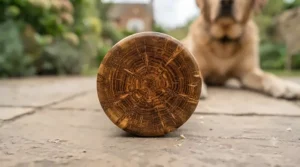
Problem → Solution: Common Wood Chew Issues Solved
Problem: The chew splinters into sharp pieces rather than fraying gently. This is more common with poor-quality or improperly dried wood. Sticking to reputable brands like Wildfang or Woodbone, which explicitly market splinter-resistant fraying behaviour, and replacing any chew that shows sharp breakage immediately, resolves this reliably.
Problem: My dog shows no interest in the chew at all. Some dogs simply prefer a different texture or scent than expected. Trying a different wood type — switching from coffee to olive, or introducing Beco Bone’s vanilla-scented natural rubber as an alternative — often succeeds where the first attempt didn’t.
Problem: The chew wears down too quickly to be good value. Heavy chewers genuinely need denser material. Moving up from a lighter olive wood option to Wildfang Coffee Wood Dog Chew, sized appropriately for your dog’s weight, usually extends usable life significantly.
Problem: I’m not sure the “sustainable” claim on the packaging is genuine. This is a fair concern given how loosely the term gets used. Looking specifically for FSC labelling, as with Antos Origins or Beco Bone, gives you independently verified assurance rather than relying on marketing copy alone.
Problem: My dog swallowed a larger fragment than expected. This calls for immediate veterinary advice rather than a wait-and-see approach, particularly with larger or denser wood pieces. The PDSA’s toy safety guidance is worth reviewing generally, and any dog showing signs of distress after chewing should be seen by a vet promptly.
Responsibly Sourced Dog Chew Sticks: How to Choose
Picking a genuinely responsibly sourced chew stick comes down to checking a handful of specific things rather than trusting the word “natural” or “eco” on its own. Here’s a practical framework:
- Check for actual certification, not just claims. Look specifically for FSC labelling or an equivalent verified sustainability credential rather than vague environmental language on the packaging.
- Understand what wood type actually means for your dog. Coffee wood suits powerful chewers; olive wood suits gentler dogs, puppies, or those with dental sensitivity.
- Favour byproduct wood over freshly felled timber. Branches pruned from working orchards and plantations carry a genuinely lower environmental footprint than purpose-felled wood.
- Consider brand transparency as a signal. Companies that openly discuss normal wear, fibre shedding, and supervision requirements tend to be more trustworthy than those making only positive claims.
- Match size confidently to your dog’s weight and chewing style. An undersized chew is a choking risk regardless of how sustainably it was sourced.
- Weigh UK small-business options against bigger names. Smaller sellers often mean shorter, more traceable supply chains, though with fewer reviews to rely on.
- Treat the chew as one part of a rotation, not a single permanent toy. Replacing worn chews regularly matters more for safety than stretching a single stick as long as possible.
FSC Certified Wooden Dog Toys: What the Label Actually Means
Seeing an FSC label on a wooden dog toy isn’t just a nice-to-have — it represents an independently audited chain of custody tracing the wood back to a forest managed under internationally agreed environmental and social standards. According to the Forest Stewardship Council UK, any company involved in processing or repackaging FSC-certified material must itself hold certification to legitimately use the label, which closes off a common loophole where a brand might claim “FSC wood” without any actual verification behind it.
What most buyers overlook is how meaningfully different this is from an uncertified “sustainably sourced” claim, which carries no external audit requirement at all and relies entirely on the manufacturer’s own word. On paper this means an FSC-labelled product like Antos Origins Natural Tuber Root Chew has been checked against a formal standard, while a chew simply described as “eco-friendly” may or may not have any verification behind that description whatsoever — both can genuinely be good products, but only one comes with independently checked proof.
✨ Compare Wood Types Before You Commit!
🔍 Match your dog’s chewing style to the right wood density before buying — gentle chewers do best with olive wood, power chewers need coffee wood or a certified rubber alternative. Check current availability and sizing on the options above to get it right the first time!
Eco Friendly Wood Chews for Dogs vs Synthetic Alternatives
| Factor | Eco-Friendly Wood Chews | Synthetic (Plastic/Nylon) Chews |
|---|---|---|
| Material source | Renewable tree byproduct | Petroleum-based plastics or nylon |
| End-of-life impact | Biodegradable, minimal residue | Persists in landfill for decades |
| Best For | Owners prioritising sustainability and natural material | Extreme, prolonged power-chewing durability |
| Chemical additives | Typically none | Dyes, hardeners, and plasticisers common |
| Price range | £4-£13 | £5-£15 |
The genuine trade-off here isn’t really about price — it’s about durability against biodegradability. Synthetic chews, particularly hardened nylon designed for extreme chewers, can outlast wood significantly under the most demanding jaws, which is a fair reason some owners of very powerful chewers stick with them. Wood chews trade some of that raw longevity for a material that breaks down naturally rather than sitting in landfill indefinitely, alongside a lower risk of the chemical additives found in some cheaper synthetic products.
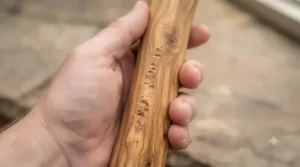
Common Mistakes When Buying Wood Dog Chews
The most frequent mistake is assuming any product labelled “natural wood” is automatically sustainably sourced, when the two things aren’t the same at all — natural simply describes the material, while sustainable describes how it was obtained. Checking for actual certification or clear sourcing information, rather than relying on the word “natural” alone, avoids this trap entirely.
A second common error is buying based on price or brand recognition rather than matching wood density to how your specific dog actually chews. Giving a determined power-chewer a soft olive wood stick meant for gentle chewers leads to it being demolished within a single session, while giving a puppy a dense coffee wood chew risks discomfort or reluctance to use it at all. Finally, treating a wood chew as a “set and forget” toy rather than something to inspect regularly is a genuinely common oversight — wood wears unevenly, and a stick that looked fine yesterday can develop a sharp edge or a swallowable fragment overnight with heavy use.
Certified Sustainable Timber Pet Product: Long-Term Cost & Maintenance
Cost-per-use tells a more favourable story for wood chews than the upfront price alone suggests. A single coffee wood stick from Wildfang or Woodbone, used by a moderate chewer, commonly lasts several weeks of regular sessions before needing replacement — putting even the pricier end of this list at well under £1 per week of use, comparable to or cheaper than a steady supply of disposable rawhide or synthetic alternatives that need frequent replacing.
The broader sustainability case matters here too. According to Woodland Trust guidance on certification, FSC certification is only awarded where woodland conservation work meets defined sustainability standards, meaning a certified sustainable timber pet product genuinely supports better forest management practices with every purchase, rather than simply being a marketing story attached to an otherwise ordinary product. Viewed against that backdrop, paying a few pounds more for a certified option is a small, tangible way to support responsible forestry rather than an abstract gesture.
Safety, Regulations & UK Compliance
Wood dog chews sold in the UK fall under general product safety regulations rather than a dedicated pet-product certification scheme, meaning there’s no legal requirement for manufacturers to prove sustainability claims the way there is for, say, food labelling. This is precisely why independent certifications like FSC matter — they fill a genuine regulatory gap rather than duplicating an existing legal requirement.
On the safety side, PDSA guidance on dog toys recommends checking toys regularly for parts that could be bitten off or swallowed, and choosing a size your dog can carry without needing to hold the entire item in their mouth. This applies just as much to wood chews as to any other toy — supervision during initial use, regular wear checks, and prompt replacement once a chew becomes small enough to present a choking risk are essential regardless of how sustainably the product was sourced. If you’re ever uncertain whether a specific chew or size is appropriate for your dog, a quick check with your vet is always worthwhile.
FAQ
❓ Are wood dog chews actually safe?
❓ What's the difference between coffee wood and olive wood chews?
❓ How do I know if a wood chew is genuinely FSC certified?
❓ Do sustainable wood chews cost more than regular dog chews?
❓ Can puppies use wood chews safely?
Conclusion
Sustainable wood dog chews genuinely deliver on both fronts they promise — a natural, satisfying outlet for your dog’s chewing instinct, and a meaningfully lower environmental footprint than the plastic and synthetic alternatives crowding most pet aisles. The seven options covered here range from the budget-friendly, FSC-labelled Antos Origins Natural Tuber Root Chew through to the independently certified Beco Bone Natural Rubber Chew, and the right pick genuinely comes down to matching wood density to your dog’s chewing style rather than defaulting to whichever option looks most impressive on the shelf.
What matters most beyond the initial purchase is treating sustainability as an ongoing choice rather than a one-off box to tick — checking for genuine certification, favouring byproduct wood over freshly felled timber, and replacing worn chews promptly for safety all compound into a meaningfully better outcome over time. Get the sizing and wood type right for your specific dog, and a sustainable wood chew earns its place as a genuinely better everyday choice, not just an occasional eco-conscious splurge.
✨ Give Your Dog a Chew That’s Actually Good for the Planet!
🔍 Match the right wood density to your dog’s chewing style from the options above, and check current pricing and availability before you buy. A small switch away from plastic toys adds up to a genuinely better outcome for your dog and the forests behind every stick!
Recommended for You
- Natural Rubber Eco Dog Toys: 7 Genuinely Sustainable Picks (2026)
- Biodegradable Dog Chews UK: 7 Best Picks for 2026
- Eco Friendly Dog Toys UK: 7 Best Sustainable Picks for 2026
Disclaimer: This article contains affiliate links. As an Amazon Associate, I earn from qualifying purchases. If you purchase products through these links, we may earn a small commission at no additional cost to you.
✨ Found this helpful? Share it with your friends! 💬🤗
