
In This Article
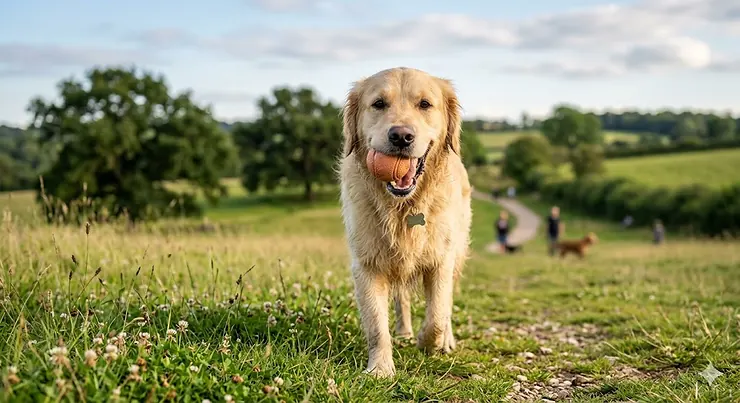
Every time your Labrador bounds across the park with that beloved tennis ball clamped between their jaws, they might be quietly grinding down their tooth enamel. Rather alarming, isn’t it? The fuzzy covering on standard tennis balls acts like sandpaper on canine teeth, wearing away protective enamel over months and years of enthusiastic fetch sessions. What most UK dog owners overlook is that dental disease affects four in five dogs by age three, according to PDSA, one of Britain’s leading veterinary charities. The solution isn’t abandoning playtime altogether—it’s choosing balls that won’t hurt dogs teeth.
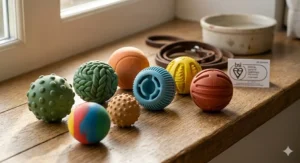
The right fetch toy should satisfy your dog’s natural urge to chase and retrieve whilst protecting their dental health. Modern veterinary-approved alternatives use softer rubber compounds, textured surfaces that massage gums, and materials that won’t abrade tooth enamel. Whether you’re exercising a Border Collie in the Scottish Highlands or playing fetch with a Spaniel in your Birmingham garden, the balls reviewed in this guide are all available on Amazon.co.uk and designed specifically for British dogs’ needs. From budget-friendly dental chews to premium natural rubber options, we’ll examine exactly what makes a ball genuinely tooth-safe—and which products deserve a place in your dog’s toy basket.
Quick Comparison: Top Balls That Won’t Hurt Dogs Teeth
| Product | Material | Size Range | Best For | Price Range |
|---|---|---|---|---|
| PetPäl Dental Ball | Natural rubber | 7cm diameter | Dental care + treats | £8-£12 |
| ChuckIt! Ultra Ball | Durable rubber | Small to XL | Active fetch games | £7-£15 |
| KONG Squeezz Ball | Grippy rubber | Medium to Large | Squeaker fans | £6-£10 |
| Bialinolti Chew Ball | Mint-scented rubber | 7cm (2-pack) | Value seekers | £10-£14 |
| KONG Classic | Natural red rubber | Multiple sizes | Treat stuffing | £8-£14 |
| Petdentist Treat Ball | Soft rubber | Small to Medium | Teething puppies | £5-£9 |
| ChuckIt! Rugged Ball | Textured rubber | Medium | Teeth cleaning | £7-£11 |
💬 Just one click — help others make better buying decisions too! 😊
Top 7 Balls That Won’t Hurt Dogs Teeth: Expert Analysis
1. PetPäl Dental Dog Ball — Natural Rubber with Dental Nubs
The PetPäl Dental Dog Ball stands out for its dual-purpose design: it’s both a fetch toy and an active dental care tool. This 7cm natural rubber ball features specially designed nubs that clean teeth and massage gums whilst your dog plays, tackling plaque and tartar formation without the abrasiveness of tennis ball felt.
What makes this particularly clever for British conditions is the non-toxic natural rubber compound that remains flexible even in damp, cold weather—crucial when you’re exercising dogs through six months of drizzle and the occasional biblical downpour. The hollow centre accepts treats or kibble, transforming it into a puzzle toy that keeps intelligent breeds like Border Collies mentally stimulated during those short winter days. UK reviewers consistently mention the blue colour, which PetPäl specifically chose because dogs suffer from red-green colour blindness, making blue toys easier to spot in grass.
The dental nubs work like a toothbrush during play, cleaning between teeth whilst your dog chomps down. In my experience, this approach works brilliantly for dogs who absolutely refuse traditional tooth brushing—and there are plenty of those. One downside: some aggressive chewers report destroying the ball within days, so this works best as a supervised fetch toy rather than an all-day chew.
Pros:
✅ Natural rubber gentle on teeth and gums
✅ Dental cleaning nubs reduce plaque buildup
✅ Treat-fillable for extended entertainment
Cons:
❌ Not suitable for extreme power chewers
❌ Natural rubber smell (fades within days)
Price: Around £8-£12
Value Verdict: Excellent choice for owners prioritising dental health alongside playtime.
2. ChuckIt! Ultra Ball — High-Bounce Rubber for Active Dogs
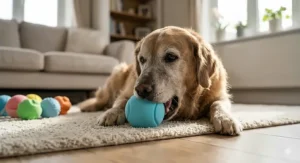
The ChuckIt! Ultra Ball has earned cult status among UK dog owners, and deservedly so. Made from thick, durable rubber with a textured surface, it delivers an unpredictable high bounce that sends fetch-obsessed dogs into absolute raptures whilst being significantly gentler on teeth than felt-covered tennis balls.
This ball’s real genius lies in its construction: the rubber is firm enough to withstand serious abuse yet soft enough on teeth and gums. It’s compatible with ChuckIt! ball launchers, which means you can send it flying across parks without wearing out your shoulder—rather handy when exercising high-energy breeds twice daily. The bright orange colour makes it visible even in thick undergrowth, a godsend for those of us who’ve lost countless balls in brambles and nettles.
What British buyers particularly appreciate is that ChuckIt! Ultra Balls float, making them ideal for beach walks along the coast or swims in lakes. The textured surface provides grip even when soaking wet, and the rubber cleans easily with a quick rinse—important when your Spaniel has just retrieved it from a muddy puddle. Available in multiple sizes from small (for Jack Russells and Terriers) through to large (for Labradors and German Shepherds), there’s a size for virtually every breed.
Some UK stockists sell these in 2-packs for around £13-£15, which represents solid value given how long they last. They’re not the cheapest option, but you’ll replace cheap tennis balls a dozen times over the lifespan of one ChuckIt! Ultra Ball.
Pros:
✅ Exceptional durability outlasts tennis balls by months
✅ High bounce for exciting fetch games
✅ Floats for water play and beach sessions
Cons:
❌ Firmer than some ultra-soft options
❌ Can be pricey if your dog habitually loses balls
Price: £7-£15 depending on size and pack quantity
Value Verdict: Premium pricing justified by longevity and performance—a wise investment for active dogs.
3. KONG Squeezz Ball — Grippy Rubber with Recessed Squeaker
For dogs who go absolutely bonkers for squeaky toys, the KONG Squeezz Ball combines the safety of soft rubber with an embedded squeaker that survives far longer than those flimsy fabric toys. The multi-textured, grippy surface makes it easy for dogs to carry and provides gentle teeth cleaning during play.
The recessed squeaker is the clever bit here—it’s safely embedded within the toy rather than loosely inserted, dramatically reducing the choking hazard that comes with traditional squeaky balls. This matters enormously for powerful breeds who can destroy standard toys in minutes. The vibrant colours and wild bounce make games of fetch genuinely exciting, whilst the softer rubber construction ensures your dog’s teeth aren’t taking a battering.
UK reviewers with older dogs particularly value how gentle this ball is on sensitive teeth and receding gums. If you’re managing a senior Labrador or a rescue dog with existing dental problems, the KONG Squeezz provides entertainment without aggravating sore mouths. The grippy texture also means arthritic dogs can pick it up more easily than smooth rubber balls.
That said, the squeaker eventually fails if your dog is a relentless chewer—though interestingly, most dogs continue playing with it even after it stops squeaking. The rubber itself remains intact far longer. Available in medium and large sizes on Amazon.co.uk, with prices hovering around £6-£10 depending on size.
Pros:
✅ Recessed squeaker safer than external versions
✅ Grippy texture aids pickup and provides gentle cleaning
✅ Soft rubber ideal for senior dogs
Cons:
❌ Squeaker durability varies with chew intensity
❌ Not as bouncy as solid rubber alternatives
Price: £6-£10
Value Verdict: Excellent value for squeaker-obsessed dogs, particularly older or gentler players.
4. Bialinolti Dental Chew Ball (2-Pack) — Mint-Scented Natural Rubber
The Bialinolti Dental Chew Ball delivers exceptional value through its 2-pack format whilst maintaining the dental-friendly design of pricier alternatives. Each 7cm ball features textured nubs for teeth cleaning, a treat-fillable centre, and a pleasant mint scent that freshens breath during play.
What sets this apart is the cost-effectiveness—around £10-£14 for two balls means you’ve always got a backup when one inevitably disappears into a neighbour’s garden or gets wedged under the shed. The mint scent is subtle rather than overpowering, and reviewers report it lasts for several weeks before fading. The natural rubber formula remains bite-resistant through typical play, though genuinely aggressive chewers can eventually destroy them.
This works brilliantly for UK families with multiple dogs or those prone to losing toys during walks. The weatherproof construction handles British conditions admirably, and the balls clean up easily with soap and water after muddy park sessions. The textured surface provides similar dental benefits to the PetPäl option whilst costing slightly less per ball.
One reviewer with a German Shepherd mentioned these lasted roughly six months of daily use before needing replacement, which represents decent longevity in the £10-£14 bracket. The treat-filling capability transforms them into puzzle toys, ideal for rainy days when outdoor exercise is limited.
Pros:
✅ Two-pack format offers excellent value
✅ Mint scent helps freshen doggy breath
✅ Dental nubs clean whilst dogs play
Cons:
❌ Moderate durability—not for extreme chewers
❌ Mint scent eventually fades
Price: £10-£14 for 2-pack
Value Verdict: Outstanding value proposition—best bang for your buck in dental-friendly balls.
5. KONG Classic — The Gold Standard in Dental-Safe Toys
The KONG Classic needs little introduction among UK dog owners—it’s been the veterinary-recommended standard for over forty years. Whilst technically a beehive shape rather than a ball, it bounces unpredictably and serves identical fetch purposes whilst offering superior dental safety through its unique red rubber formula.
What veterinary dental specialists particularly value is the KONG’s ability to satisfy dogs’ instinctual chewing needs without damaging teeth. The natural rubber compound is firm enough to withstand serious gnawing yet forgiving enough not to crack tooth enamel. The hollow centre accepts peanut butter, kibble, or KONG’s own Easy Treat paste, transforming it into an enrichment tool that can occupy dogs for extended periods.
For British owners managing separation anxiety—increasingly common as more people return to office work—a frozen, stuffed KONG Classic can provide 30-45 minutes of focused activity. The unpredictable bounce makes fetch games genuinely exciting, and the durability means these often outlast dogs’ puppyhood entirely. Available in multiple sizes and three rubber formulas (puppy, classic, and extreme for power chewers), there’s a KONG for virtually every dog.
The price sits in the mid-range at £8-£14 depending on size, but the longevity justifies the investment. Many UK households report the same KONG lasting 3-5 years of daily use, making the cost-per-play remarkably low compared to toys requiring monthly replacement.
Pros:
✅ Veterinary recommended for over 40 years
✅ Unpredictable bounce excites during fetch
✅ Exceptional durability—often lasts years
Cons:
❌ Shape less traditional than round balls
❌ Requires stuffing for maximum engagement
Price: £8-£14
Value Verdict: Premium pricing backed by proven performance—worth every penny.

6. Petdentist Rubber Treat Ball — Budget-Friendly Teething Solution
The Petdentist Rubber Treat Ball specifically targets puppies and dogs with sensitive teeth, using softer rubber that’s gentle on emerging adult teeth or ageing gums. The treat-dispensing design encourages healthy chewing habits whilst the textured surface provides mild dental cleaning.
This ball shines for teething puppies experiencing sore, sensitive gums. Fill it with treats or freeze it with water for a cooling effect that soothes discomfort—a technique recommended by UK veterinary nurses during those challenging teething months. The softer rubber means it won’t damage delicate puppy teeth as they’re coming through, unlike harder alternatives that can cause fractures or chip enamel.
UK reviewers with Dachshunds and smaller breeds particularly value the compact size, which fits comfortably in smaller mouths. The price point around £5-£9 makes it accessible for first-time puppy owners still figuring out which toys their new companion prefers. That said, the softer construction means durability suffers once puppies transition to adult teeth—expect to replace this after 2-4 months of enthusiastic use.
The treat-dispensing mechanism works well for slow feeding and mental stimulation, helping prevent gulping and bloat in fast eaters. It’s also useful for weight management, allowing you to portion out daily kibble through puzzle play rather than straight from a bowl.
Pros:
✅ Exceptionally gentle on teething puppies
✅ Affordable entry point for new dog owners
✅ Freezable for soothing effect on sore gums
Cons:
❌ Lower durability once adult teeth emerge
❌ Small size unsuitable for large breeds
Price: £5-£9
Value Verdict: Perfect puppy starter toy—expect to graduate to tougher options as they mature.
7. ChuckIt! Rugged Ball — Teeth-Cleaning Ridges for Dental Health
The ChuckIt! Rugged Ball combines the brand’s legendary durability with unique ridges specifically designed to clean teeth during play. These raised nubs scrub plaque whilst your dog carries and chews, providing passive dental care alongside active fetch entertainment.
The textured surface design is genuinely thoughtful—the ridges are firm enough to provide cleaning action yet won’t abrade tooth enamel like tennis ball felt. This ball works brilliantly for dogs who won’t tolerate traditional tooth brushing but still need dental maintenance. Compatible with ChuckIt! launchers like the Ultra Ball, it delivers the same satisfying high bounce and launcher compatibility.
What British buyers particularly appreciate is how the textured surface provides grip even in wet conditions. When your Springer Spaniel has just retrieved it from a stream or your garden’s waterlogged after typical British rain, the ridges ensure they can still carry it comfortably. The bright colour remains visible in low light—important during winter months when walks often happen in dusk or darkness.
At around £7-£11 depending on retailer, it sits in ChuckIt!’s standard pricing bracket. The dental benefits justify the slight premium over basic rubber balls, particularly for owners keen to maintain oral health without daily brushing battles. Expect longevity measured in months rather than weeks, even with daily use.
Pros:
✅ Cleaning ridges reduce plaque during play
✅ Launcher compatible for easy throwing
✅ Excellent grip in wet British conditions
Cons:
❌ Slightly pricier than basic rubber balls
❌ Ridges can trap dirt requiring regular cleaning
Price: £7-£11
Value Verdict: Dental benefits justify the modest premium—clever dual-purpose design.
How Dental-Friendly Balls Protect Your Dog’s Teeth
Understanding exactly how balls that won’t hurt dogs teeth differ from standard options requires examining both materials science and canine dental anatomy. Traditional tennis balls, whilst cheap and readily available, present three distinct dental hazards. First, the felt covering creates an abrasive surface that grinds down tooth enamel through repeated compression—imagine using sandpaper on your teeth thousands of times. Second, dirt and sand particles embed in the felt, dramatically increasing the abrasive effect. Third, the materials contain adhesives and dyes never intended for prolonged oral contact.
Veterinary-approved alternatives use materials specifically formulated for dental safety. Natural rubber compounds flex under pressure rather than abrading enamel, whilst textured surfaces with strategic nubs massage gums and mechanically dislodge plaque. The Veterinary Oral Health Council evaluates dental products for efficacy, and whilst most balls haven’t undergone formal VOHC testing, the principles underlying their dental-friendly claims are sound: soft materials, appropriate texture, and materials that won’t fragment into sharp pieces.
British veterinary charities like PDSA emphasise that whilst dental toys provide supplementary cleaning, they don’t replace professional veterinary dental care or daily brushing. Rather, they offer passive maintenance that reduces plaque accumulation between proper cleanings. For UK owners managing typical twice-daily exercise routines, choosing dental-friendly balls means every fetch session contributes positively to oral health rather than silently eroding it. The cumulative effect over a dog’s 10-15 year lifespan is substantial—potentially the difference between healthy teeth in old age or painful extractions costing hundreds of pounds.
Real-World Scenario: Choosing the Right Ball for Your UK Dog
Consider three typical British dog-owning situations, each requiring different ball characteristics. First, meet Sarah from Manchester with her 18-month-old Cocker Spaniel, Biscuit. Biscuit exercises twice daily in local parks, adores fetch, but has shown early signs of enamel wear from tennis balls. Sarah’s priorities are dental protection and durability within a £15 budget. The ChuckIt! Ultra Ball 2-pack suits perfectly—around £13-£15, offering high bounce for exciting fetch, months of durability, and gentle rubber that protects Biscuit’s teeth during their daily park sessions.
Second, there’s Tom from rural Shropshire with Max, a 9-year-old Labrador experiencing gum sensitivity and arthritis. Max still enjoys gentle fetch but can’t handle firm balls or extended play. Tom needs something gentle on ageing teeth that Max can easily pick up despite stiff joints. The KONG Squeezz Ball in large size works brilliantly—the grippy texture aids pickup, the soft rubber soothes sensitive gums, and the squeaker maintains Max’s interest despite reduced activity levels. At around £8-£10, it fits Tom’s budget whilst prioritising comfort over durability.
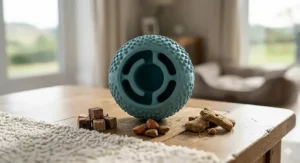
Finally, consider the Patel family in Birmingham with their 4-month-old German Shepherd puppy, Luna. Luna’s teething intensely, chewing everything in sight, and they’re on a tight budget whilst accumulating puppy essentials. The Petdentist Rubber Treat Ball at £5-£9 provides immediate relief through its freezable design, gentle rubber that won’t damage emerging teeth, and treat-dispensing capability that channels destructive chewing into productive play. They’ll eventually upgrade to tougher options, but for Luna’s current teething phase, this delivers exactly what’s needed without breaking the bank.
Each scenario demonstrates how matching ball characteristics to specific circumstances maximises both value and effectiveness. British conditions add another layer—wet weather durability, visibility in low light, and cleanability after muddy sessions all influence the optimal choice.
Common Mistakes When Buying Balls for Dogs’ Teeth
The single biggest mistake UK dog owners make is assuming all rubber balls offer equal dental protection. Materials matter enormously—cheap hollow plastic balls can shatter into sharp fragments, whilst overly hard rubber can crack tooth enamel just as surely as tennis balls. Always verify materials are specifically described as “natural rubber” or “dental-safe rubber” rather than generic “plastic” or “synthetic materials.” The spec sheet won’t tell you this, but proper dental-friendly balls should have slight give when squeezed firmly—complete rigidity suggests the rubber’s too hard for dental safety.
Second, many owners ignore UK-specific compatibility requirements. Products manufactured for the American market may not meet UK safety standards or carry UKCA marking—the post-Brexit equivalent of CE certification. Whilst this matters less for simple rubber balls than electronic items, it’s worth checking for peace of mind. More practically, ensure the product actually ships to the UK or is available through Amazon.co.uk rather than redirecting you to the US site. Some popular American brands have limited UK distribution, meaning warranty claims or replacements become problematic.
Third, underestimating wet weather impact proves costly. The British climate means toys spend significant time damp or soaking wet. Balls that don’t drain properly develop mould internally, whilst certain rubber compounds become slippery when wet. Look for products UK reviewers specifically mention performing well in rain—these testimonials prove far more valuable than manufacturer claims. Additionally, aggressive chewers who’ve received tennis balls for years may initially reject rubber alternatives. The transition requires patience—gradually introduce the new ball during play rather than removing all familiar toys immediately.
Finally, many overlook size selection’s critical importance for dental safety. A ball that fits entirely inside your dog’s mouth presents a choking hazard, whilst one too large causes jaw strain and discourages play. The general rule: the ball should be small enough to carry comfortably but large enough that it can’t lodge in the throat. When uncertain, size up—ChuckIt! and KONG both provide weight-based sizing guides that work well for most breeds.
Dental-Friendly Balls vs Traditional Tennis Balls
The dental safety gulf between purpose-designed balls that won’t hurt dogs teeth and traditional tennis balls is substantial, yet many UK owners remain unaware of the long-term consequences. Tennis balls create a triple threat: the felt covering’s abrasive texture, the adhesives bonding felt to rubber, and the dirt particles embedding in the fabric during outdoor use. Together, these factors wear down tooth enamel significantly faster than natural chewing on appropriate materials.
British veterinary research indicates dogs who regularly play with tennis balls show measurable enamel erosion within 6-12 months of daily use. The damage manifests as “blunting”—where tooth points wear flat—and eventual exposure of the sensitive dentin layer beneath enamel. Once dentin is exposed, dogs experience increased sensitivity to temperature and pressure, often leading to reluctance when eating hard kibble or chewing toys. The progression can ultimately require costly dental interventions: professional cleanings under anaesthetic, extractions, or root canal procedures that cost £500-£2,000 in UK veterinary clinics.
Dental-friendly alternatives like the KONG Classic or ChuckIt! Ultra Ball eliminate these risks through material selection. Natural rubber flexes rather than abrading, whilst textured surfaces designed for dental health actually remove plaque rather than wearing down enamel. The upfront cost difference seems minimal—tennis balls often sell in packs of 12 for £5-£8, whilst quality rubber balls cost £6-£15 each. However, the calculation shifts dramatically when factoring replacement frequency and veterinary costs. Tennis balls require monthly replacement if used daily and contribute to dental problems costing hundreds in treatment. A single ChuckIt! Ultra Ball might cost £8 but lasts 6-12 months and actively protects dental health.
For British owners weighing the decision, consider total lifetime costs. A dog living 12 years with daily tennis ball use might accumulate £150 in ball costs plus £1,000+ in dental treatments. That same dog using £10 rubber balls replaced annually costs £120 in toys whilst dramatically reducing dental intervention likelihood. The mathematics overwhelmingly favour dental-friendly options.
Understanding Tooth-Safe Materials and Construction
The materials science underlying balls that won’t hurt dogs teeth is more sophisticated than many realise. Natural rubber—derived from latex harvested from rubber trees—possesses ideal characteristics: sufficient elasticity to bounce satisfyingly yet enough give to compress rather than abrade tooth enamel. The material’s molecular structure allows it to deform under pressure and return to shape without creating friction against teeth. Premium manufacturers like KONG use proprietary rubber formulas optimised for different jaw strengths: softer compounds for puppies and seniors, firmer options for adult dogs, and ultra-durable versions for power chewers.
Synthetic rubbers can also work well if properly formulated, though quality varies dramatically. High-grade thermoplastic elastomers (TPEs) offer similar benefits to natural rubber whilst sometimes providing enhanced durability or specific features like glow-in-the-dark capability. However, cheap synthetic rubbers may contain plasticisers or fillers that pose health risks if ingested, particularly concerning for British buyers post-Brexit who should verify products meet UK safety standards.
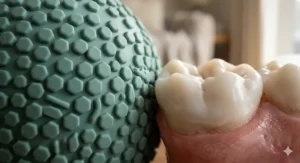
Texture design represents another critical factor. Dental-friendly balls incorporate several texture strategies: uniform nubs that massage gums and dislodge plaque, ridged surfaces that create gentle scrubbing action, and honeycomb patterns that flex under pressure whilst providing grip. These textures work through mechanical action—physically removing plaque and food particles during normal play. PDSA veterinary guidance confirms that whilst textured toys can’t replace brushing, they contribute meaningfully to oral hygiene when used daily.
Construction methods also matter for safety. Balls should be solid or hollow with drainage holes—never sealed hollow, which can trap water and breed bacteria. Squeakers must be deeply recessed or absent entirely to prevent choking hazards. UK buyers should favour products with transparent manufacturing information: country of origin, materials certifications, and safety testing documentation. Unfortunately, cheaper imports sometimes lack this information entirely, raising legitimate concerns about chemical safety and durability.
Maintaining Dental Health Through Play and Prevention
Integrating balls that won’t hurt dogs teeth into a comprehensive dental care strategy maximises their effectiveness whilst protecting your dog from the painful consequences of dental disease. British veterinary charities emphasise prevention as far more cost-effective than treatment—a principle that applies equally to dental health as other aspects of canine wellbeing.
Start with daily inspection routines during grooming. Gently lift your dog’s lips and check for plaque accumulation (yellow or brown deposits), gum inflammation (redness or swelling), or unusual breath odour beyond typical “dog breath.” Healthy gums should appear salmon-pink, and teeth should be white or slightly cream-coloured. Any dramatic changes warrant veterinary consultation, as early intervention prevents minor issues escalating into expensive emergencies.
Combine dental-friendly play with dedicated chewing time. Allocate 15-20 minutes daily where your dog actively chews appropriate toys—this could be a stuffed KONG Classic whilst you’re preparing dinner or a Petdentist treat ball during morning coffee. The mechanical action of chewing stimulates saliva production, which naturally neutralises acids and washes away food particles. British veterinary dental specialists note that dogs who chew regularly show significantly less plaque accumulation than those who don’t, even without brushing.
When possible, incorporate proper tooth brushing 3-4 times weekly using dog-specific toothpaste (never human toothpaste, which contains harmful ingredients). For UK owners whose dogs absolutely refuse brushing—and many do—dental-friendly balls combined with veterinary-approved dental chews can provide acceptable alternative maintenance. Products carrying the Veterinary Oral Health Council seal demonstrate proven plaque or tartar control, though few ball toys undergo formal VOHC evaluation due to cost.
Schedule annual veterinary dental examinations, typically conducted during regular vaccination appointments. British vets can identify developing problems before they require invasive treatment and may recommend professional cleaning under anaesthetic if tartar buildup becomes significant. The NHS for pets doesn’t exist, but pet insurance often covers dental treatments arising from accidental injury if not routine maintenance—verify your policy specifics.
Price Ranges and Value Analysis in the UK Market
Navigating the UK market for balls that won’t hurt dogs teeth reveals three distinct price tiers, each offering different value propositions depending on your dog’s needs and your budget constraints. Understanding what drives pricing helps identify genuine value versus marketing markup.
Budget Tier (£5-£9): This segment includes products like the Petdentist Treat Ball and various unbranded dental balls available through Amazon.co.uk. These typically use simpler rubber compounds and less sophisticated manufacturing, resulting in adequate but not exceptional durability. They work well for puppies who’ll quickly outgrow them, small breeds with gentle play styles, or owners trialling dental-friendly options before committing to premium products. Expect replacement every 2-4 months with daily use. The materials are generally safe but may lack the precise engineering of pricier alternatives.
Mid-Range Tier (£6-£12): This sweet spot contains most ChuckIt! products, KONG Squeezz variants, and quality branded options. Manufacturing quality improves significantly—better rubber formulas, more consistent sizing, and enhanced durability that extends lifespan to 6-12 months of daily use. The cost-per-play calculation favours this tier for most UK households, particularly those with medium to large breeds exercising twice daily. Products here typically include design features beyond basic balls: launcher compatibility, integrated squeakers, or treat-dispensing capability. British retailers frequently offer multipacks in this range (e.g., ChuckIt! 2-packs for £13-£15), improving value further.
Premium Tier (£8-£16+): KONG Classic exemplifies this category—decades of veterinary endorsement, proprietary rubber formulas, and exceptional longevity justifying higher prices. These products often outlast mid-range options by 2-3 times, actually delivering better value over a dog’s lifetime despite higher upfront costs. Premium balls frequently use natural rubber rather than synthetic compounds and undergo more rigorous safety testing. For British buyers managing aggressive chewers or prioritising proven dental safety, the premium tier makes financial sense.
Post-Brexit pricing occasionally affects imported products, with some American brands costing slightly more in the UK than equivalent products manufactured domestically or in Europe. However, competition remains robust among Amazon.co.uk sellers, keeping prices reasonable. Watch for Subscribe & Save discounts (typically 5-10% off) on frequently purchased items—particularly useful if you’ve identified a ball your dog adores and you’re willing to commit to regular replacement.
Seasonal Considerations for British Dog Owners
The British climate presents unique challenges for outdoor dog toys that many product reviews originating from sunnier climates simply don’t address. Understanding how our wet, temperate weather affects balls that won’t hurt dogs teeth helps predict longevity and performance.
Autumn and Winter (October-March): Short daylight hours, persistent damp, and muddy conditions dominate. Balls need high visibility in low light—bright orange ChuckIt! products or blue PetPäl balls significantly outperform darker colours. Materials must tolerate prolonged moisture without developing mould or becoming slippery. Natural rubber generally handles dampness better than cheaper synthetics, though proper drainage and regular cleaning remain essential. Store balls indoors between uses rather than leaving them in wet gardens where they’ll accumulate dirt and potentially freeze in overnight frosts. Frozen rubber balls can damage teeth just as surely as tennis balls, so allow them to return to room temperature before play.
Cold weather also affects rubber flexibility. Premium natural rubber compounds remain pliable in British winter temperatures (typically 0-10°C), whilst cheaper options may stiffen, reducing dental safety. If you notice your dog’s favourite ball has become noticeably harder during winter, discontinue use until temperatures rise or replace it with a cold-weather-appropriate alternative.
Spring (April-June): Warming temperatures, longer days, and fluctuating conditions. This season sees maximum mud as gardens thaw and spring rains saturate parks. Drainage holes become critical—balls must shed water rather than retaining it. Clean toys thoroughly after muddy sessions, as springtime puddles often contain higher bacterial loads than summer standing water. Textured balls require particular attention, as mud lodges in ridges and nubs. A quick scrub with warm soapy water prevents grime accumulating in dental-cleaning features.
Summer (July-September): British summers rarely reach extreme heat, but occasional heatwaves (25-30°C) affect some materials. Natural rubber softens slightly in heat, which actually enhances dental safety but may reduce durability against aggressive chewing. Store balls away from direct sunlight, which can degrade rubber over months. Water play increases during summer—ensure balls float if your dog enjoys swimming, as non-floating balls lost in ponds or streams become environmental hazards and expensive losses.
The unpredictable British weather means having multiple balls suitable for different conditions proves wise: a high-visibility option for winter dusk, a quick-draining ball for muddy spring walks, and a floating version for summer water play.
Gentle Play Equipment for Senior Dogs
As dogs age into their senior years—typically 7-10 years depending on breed size—their dental needs shift dramatically. Older dogs often experience gum recession, tooth sensitivity, arthritis affecting jaw strength, and reduced enthusiasm for vigorous play. Choosing balls that won’t hurt dogs teeth becomes even more critical, as senior dental problems can cascade into serious health issues.
Senior-specific options like the KONG Senior range use softer purple rubber formulas engineered for ageing teeth and gums. The material compresses more easily than standard versions, reducing strain on weakened jaws whilst maintaining enough structural integrity for satisfying play. The KONG Squeezz Ball also works brilliantly for older dogs—its grippy texture compensates for reduced jaw strength, allowing easier pickup from the ground, whilst the softer rubber prevents discomfort from sensitive teeth.
British owners managing senior dogs should also consider reduced play intensity. Instead of vigorous fetch sessions launching balls across parks, gentle rolling games in gardens or short retrieval exercises maintain activity without overwhelming ageing joints. Treat-dispensing balls like the Petdentist or PetPäl options provide mental stimulation that senior dogs often need more than physical exhaustion—particularly during those long British winter evenings when outdoor exercise is limited.
Pay particular attention to size and weight. Heavier balls strain arthritic necks and jaws, whilst balls requiring wide jaw openings to grip may prove uncomfortable for dogs with dental disease or jaw pain. The ideal senior ball should be lightweight, compressible, and sized for easy carrying without excessive jaw strain. UK veterinary guidance from organisations like PDSA emphasises that senior dogs benefit enormously from continued play—it maintains cognitive function, provides low-impact exercise, and strengthens the human-animal bond during those precious final years together.
FAQ: Everything You Need to Know About Dental-Safe Dog Balls
❓ Are natural rubber dog balls safe for aggressive chewers?
❓ How often should I replace my dog's fetch balls?
❓ Can dental-friendly balls completely replace tooth brushing?
❓ What size ball should I choose for my dog's breed?
❓ Do these balls work for puppies who are still teething?
Conclusion: Protecting Your Dog’s Smile Through Smart Choices
Every fetch session represents either an investment in your dog’s long-term dental health or a gradual erosion of tooth enamel that’ll eventually require costly veterinary intervention. The choice between tennis balls and purpose-designed options that won’t hurt dogs teeth might seem trivial in the moment, but the cumulative effect over 10-15 years proves substantial. British veterinary research confirms that dental disease affects four in five dogs by age three—a statistic we can dramatically improve through informed toy selection.
The products reviewed in this guide represent the best dental-friendly options currently available to UK dog owners through Amazon.co.uk. Whether you choose the budget-friendly Bialinolti 2-pack, the veterinary-endorsed KONG Classic, or the ultra-durable ChuckIt! Ultra Ball, you’re making a conscious decision to prioritise your dog’s dental health alongside their entertainment. The modest price difference between tennis balls and quality rubber alternatives disappears entirely when factoring in replacement frequency and potential veterinary dental costs down the line.
For British owners navigating our unique climate challenges—wet weather, muddy parks, short winter days—material quality and construction details matter enormously. Invest in balls that drain properly, remain visible in low light, and maintain flexibility through temperature fluctuations. Store them properly between uses, inspect regularly for damage, and replace proactively rather than waiting for catastrophic failure.
Your dog’s dental health influences far more than just their teeth—it affects overall wellbeing, comfort whilst eating, susceptibility to systemic infections, and ultimately, quality of life in their senior years. The simple act of choosing dental-friendly balls transforms every play session into preventative dental care, protecting that magnificent smile for years to come.
✨ Don’t Miss These Exclusive Deals!
🔍 Take your dog’s playtime and dental health to the next level with these carefully selected products. Click on any highlighted item to check current pricing and availability on Amazon.co.uk. These picks will help you find exactly what your dog needs whilst protecting their precious teeth!
Recommended for You
- Best Fetch Toys for Dogs UK: 7 Expert Picks 2026
- 7 Best Rubber Balls vs Tennis Balls for Dogs UK 2026
- 7 Best Soccer Ball for Dogs UK 2026 – Expert Reviews & Guide
Disclaimer: This article contains affiliate links. As an Amazon Associate, I earn from qualifying purchases. If you purchase products through these links, we may earn a small commission at no additional cost to you.
✨ Found this helpful? Share it with your mates! 💬🤗
