
In This Article
Stand in the dog aisle of any UK pet shop and you’ll see it: a wall of dental sticks stacked next to a shelf of chunky rubber chew toys, both promising the same thing — cleaner teeth, fresher breath, a happier dog. It’s a genuinely confusing aisle, and the dental chew toy vs dental stick for dogs debate isn’t going away, because both camps have loyal fans and both have a point. Sticks are the grab-and-go option your dog wolfs down in ninety seconds flat. Toys are the ones gathering fluff under the sofa, occasionally rediscovered and gnawed on for weeks.

Here’s the thing nobody tells you up front: this isn’t really a fight with one winner. It’s more like choosing between a daily vitamin and a gym membership — different mechanisms, different time investments, and honestly, different dogs respond to each one in wildly different ways. A Labrador who inhales food will barely touch the sides of a dental stick, while a nervous terrier might treat a rubber chew toy with total suspicion for a fortnight.
This guide digs into seven real, currently available UK products — a proper mix of budget sticks, premium natural chews, and durable reusable toys — with honest analysis of what the specs actually mean for your dog’s mouth, not just what the packaging claims. We’ll compare running costs, look at what actual vets and the Veterinary Oral Health Council say, and work out which option (or combination) suits your dog’s size, chewing style and your own patience for hoovering up crumbs.
Quick Comparison Table
| Product | Type | Best For | Price Range |
|---|---|---|---|
| Pedigree Dentastix | Consumable stick | Budget daily routine | Under £15 |
| Purina Dentalife | Consumable stick | VOHC-backed daily use | £10-£20 |
| WHIMZEES Stix | Consumable stick | Grain-free/vegetarian dogs | £10-£25 |
| Greenies Original | Consumable treat-chew | VOHC seal, fussy eaters | £15-£30 |
| Virbac VeggieDent Fresh | Consumable stick | Sensitive stomachs, premium | £15-£30 |
| KONG Classic Dental | Reusable toy | Puppies and moderate chewers | Under £15 |
| Nylabone Dura Chew Dental | Reusable toy | Heavy chewers, long-term value | £10-£20 |
Look at that table for more than a second and a pattern jumps out: every consumable stick sits in a tighter, lower price band per single item, but that number resets every single week because you’re buying the same bag again and again. The two reusable toys cost roughly the same to buy once, yet can realistically survive months, sometimes years, of daily gnawing depending on how enthusiastically your dog attacks them. Neither structure is objectively cheaper — it depends entirely on how long a toy actually survives in your house, which is a question only your dog can answer.
💬 Just one click — help others make better buying decisions too! 😊
Top 7 Dental Chew Toys and Dental Sticks: Expert Analysis
1. Pedigree Dentastix — the household-name budget stick
If you’ve owned a dog in the UK any time in the last two decades, chances are you’ve already got a box of these in the cupboard. The ridged, X-shaped design isn’t decorative — it’s engineered so the stick flexes slightly against the tooth surface as your dog bites down, creating a mild scrubbing action along the gumline. Dentastix are formulated with sodium tripolyphosphate, an ingredient that helps bind calcium in saliva and reduce the mineral deposits that harden into tartar. Reviewers consistently report that even notoriously food-obsessed dogs devour them without hesitation, which — cynically — is exactly why they’ve dominated supermarket shelves for so long; a dental product only works if your dog will actually eat it. Based on the spec comparison with pricier rivals, Pedigree Dentastix deliver a reasonable mechanical cleaning action for the money but skip the natural or grain-free formulations some owners now specifically seek out. A common thread in aggregated review sentiment is that they’re best treated as a daily habit-builder rather than a dental miracle cure, and vets typically note they work best alongside brushing rather than instead of it.
Pros:
- ✅ Widely available and consistently affordable
- ✅ High palatability even for fussy dogs
- ✅ Sized specifically by dog weight bracket
Cons:
- ❌ Contains more calories than natural alternatives
- ❌ Softer texture than premium natural sticks
Expect to pay under £15 for a family-size megapack, which works out as excellent value on a per-stick basis — a solid budget pick if your priority is simply getting your dog into a daily chewing habit.
2. Purina Dentalife Daily Oral Care — the VOHC-backed daily stick
Where Pedigree Dentastix leans on brand recognition, Purina Dentalife leans on a genuinely distinctive honeycomb-textured structure. That porous, multi-layered shape isn’t a gimmick — it creates more surface area contact with the tooth as your dog chews through it, and this stick carries the Veterinary Oral Health Council’s Seal of Acceptance for tartar control, meaning independent clinical data was submitted and reviewed rather than the claim being purely marketing copy. What most buyers overlook about this model is that the airy texture makes it noticeably lower density than a Dentastix of similar size, so it tends to break down faster in smaller mouths, which is actually a safety feature for dogs prone to gulping treats whole. Aggregated reviewer sentiment tends to praise the visibly fresher breath after a couple of weeks of daily use, though a recurring complaint is that some dogs find the texture less exciting than meatier alternatives and need a bit of encouragement at first. On paper, this makes it a strong pick for owners who specifically want that VOHC-verified claim rather than a general “supports dental health” marketing line.
Pros:
- ✅ VOHC Seal of Acceptance for tartar control
- ✅ Distinctive porous texture increases tooth contact
- ✅ Lower risk of large chunks breaking off
Cons:
- ❌ Some dogs find the flavour underwhelming initially
- ❌ Pricier per stick than basic supermarket options
Sitting in the £10-£20 range depending on pack size, it’s a fair mid-tier jump from Dentastix if the VOHC seal matters to you.
3. WHIMZEES Stix — the natural, grain-free alternative
WHIMZEES Stix take a completely different formulation route: they’re built from a starch base — typically potato and tapioca — rather than the meat-derived or wheat-heavy recipes common elsewhere, which makes them naturally grain-free and suitable for dogs with sensitivities. The dense, chewy texture means your dog has to genuinely work at the stick rather than crunch through it in seconds, extending the actual brushing-motion contact time against the teeth. Here’s what the spec sheet won’t tell you, but reviewers note repeatedly: the density that makes these effective also makes them noticeably harder work for smaller or older dogs with weaker jaws, so sizing correctly matters more here than with softer sticks. Vets who discuss Whimzees products tend to highlight the vegetarian, no-added-sugar formulation as a genuine point of difference for owners managing weight or allergies, rather than pure marketing spin. Reviewer sentiment consistently mentions dogs taking noticeably longer to finish a Whimzees stick compared with a Dentastix, which many owners see as a feature rather than a bug — more chewing time generally means more mechanical cleaning contact.
Pros:
- ✅ Grain-free, vegetarian, no added sugar
- ✅ Denser texture extends chewing time
- ✅ Suits dogs with common food sensitivities
Cons:
- ❌ Firmer bite may be tough for weak-jawed dogs
- ❌ Pricier than mainstream supermarket sticks
Prices generally sit in the £10-£25 range depending on box size and stick dimension, making this a mid-to-premium pick for sensitive stomachs.
4. Greenies Original Dental Treats — the VOHC-approved crowd-pleaser
Greenies occupy an interesting middle ground between a stick and a proper chew: they’re chewier and more treat-like than a Dentastix but still fully consumable, and they’ve held a VOHC Seal of Acceptance for both plaque and tartar claims across multiple sizes, which is a rarer double claim than tartar-only. The ridged, slightly springy texture gives real resistance as your dog bites down, and reviewers consistently describe strong enthusiasm even from dogs who turn their nose up at other dental treats — this is, based on the spec comparison, likely down to the meatier flavour profile compared with the starch-heavy Whimzees. What most buyers overlook is that Greenies are calorifically denser than most rivals, so vets and reviewers alike flag that portion control matters more here, especially for smaller breeds where a single treat can represent a meaningful chunk of daily calories. A well-known historical safety note, now addressed through reformulation and stricter sizing guidance, is that Greenies once carried more choking-hazard reports than competitors when the wrong size was fed to a dog that gulps rather than chews — which underlines why matching the size guide to your dog’s actual weight (not just their enthusiasm) genuinely matters here.
Pros:
- ✅ Dual VOHC seal for both plaque and tartar
- ✅ Strong palatability across most dog breeds
- ✅ Distinctly springy texture aids mechanical cleaning
Cons:
- ❌ Higher calorie density than most rivals
- ❌ Correct sizing is critical for safe chewing
Expect a £15-£30 range depending on pack size, positioning it firmly as a premium consumable option.
5. Virbac VeggieDent Fresh — the vet-recommended premium stick
Virbac VeggieDent Fresh is one of the few dental sticks you’ll regularly see stocked behind the counter at UK vet practices rather than only on supermarket shelves, and that distribution pattern tells you something about how it’s positioned. The formulation leans on a distinctive double-layer, star-shaped design intended to increase surface friction against the tooth as your dog chews through alternating textures. Reviewers and vet-facing literature consistently note the inclusion of green tea extract and other freshening agents aimed specifically at persistent bad breath, which is a common complaint that plain sticks don’t always solve. Based on the spec comparison with Pedigree Dentastix, the ingredient list here reads noticeably cleaner — fewer artificial additives, more clearly listed natural extracts — which explains the premium price tag. What reviewers flag most often is the smaller portion size relative to the cost, meaning the per-chew price sits meaningfully above supermarket sticks even though the underlying quality genuinely feels a step up.
Pros:
- ✅ Vet-practice distribution suggests professional confidence
- ✅ Green tea extract targets persistent bad breath
- ✅ Cleaner, more natural ingredient list
Cons:
- ❌ Notably pricier per individual stick
- ❌ Smaller pack sizes than mainstream competitors
Typically priced in the £15-£30 range for smaller counts, this is one for owners prioritising ingredient quality over sheer value-per-stick.
6. KONG Classic Dental Dog Toy — the reusable rubber all-rounder
Switching categories entirely, KONG Classic Dental is a solid natural-rubber toy moulded with raised nubs specifically designed to rub against teeth and gums during normal chewing and play, rather than through the abrasive-swallowing mechanism a stick relies on. Because it’s reusable, the “dental action” here comes from repeated daily gnawing sessions rather than a single feeding event, which fundamentally changes how the maths works out over a month. The classic snowman shape also has a hollow core, so a common trick reviewers mention is smearing a little dog-safe peanut butter or wet food inside to encourage a reluctant chewer to properly engage with the raised texture rather than just carrying it around the house. What most buyers overlook about this model is that the dental benefit is genuinely dependent on consistent daily use — a toy left untouched in the basket for a week delivers precisely zero cleaning action, unlike a stick that guarantees at least one chewing session per feed. Aggregated review sentiment is broadly positive on durability for moderate chewers, though owners of genuinely powerful jaws (larger working breeds) report it wearing down faster than the “Extreme” range from the same brand.
Pros:
- ✅ Reusable, so no repeat weekly purchase
- ✅ Hollow design allows treat-stuffing to encourage use
- ✅ Natural rubber holds up well for moderate chewers
Cons:
- ❌ Requires consistent daily engagement to work
- ❌ Not rated for the most aggressive power chewers
Priced under £15 in most sizes, a single toy can realistically outlast weeks or months of daily use, depending entirely on your dog’s chewing intensity.
7. Nylabone Dura Chew Dental Toy — the long-haul option for heavy chewers
Nylabone Dura Chew Dental is built from a considerably tougher nylon-based compound than the KONG’s natural rubber, aimed squarely at dogs that treat every toy like a demolition project. The raised bristle-like ridges moulded into the surface are the actual “dental” mechanism here, designed to work loose plaque as your dog gnaws along the length of the bone rather than across a single contact point. Here’s what the spec sheet won’t tell you, but reviewers note repeatedly: the harder compound that gives this toy its longevity also means it provides less mechanical “give” than rubber alternatives, so vets generally advise it’s better suited to confident, established chewers than to puppies or dogs with existing dental sensitivity. Reviewer sentiment across UK buyers consistently praises the sheer lifespan — many report a single toy lasting several months of regular use even with a determined chewer — which fundamentally changes the cost-per-month calculation compared with any consumable stick on this list. On the flip side, a recurring theme in aggregated feedback is that particularly food-motivated dogs show less initial interest in a flavourless-feeling nylon toy compared with the instant gratification of a meaty stick.
Pros:
- ✅ Exceptional durability for committed chewers
- ✅ One purchase can outlast months of sticks
- ✅ Bristle ridges target plaque along the tooth line
Cons:
- ❌ Harder material, less forgiving on sensitive teeth
- ❌ Less immediately exciting for food-driven dogs
Generally priced in the £10-£20 range, this is arguably the strongest long-term cost-effectiveness pick on the entire list, provided your dog’s teeth and chewing style suit a firmer toy.
Real-World Scenarios: Which Type Actually Suits Your Dog?
Picture three very different households. First, there’s the young family with an eight-month-old Cockapoo puppy still working through teething discomfort — here, a softer, more flexible option like WHIMZEES Stix or the treat-stuffed KONG Classic Dental makes more sense than anything firm, since baby teeth and young gums simply aren’t ready for a hard nylon toy yet. Second, there’s the retired couple with an elderly, food-motivated Beagle who has zero patience for toys but happily eats anything placed in front of him — a daily Pedigree Dentastix or Purina Dentalife fits that routine far better than a chew toy gathering dust under the radiator. Third, there’s the working household with an energetic young Labrador who’s already destroyed three squeaky toys this month — here, the durability-first logic of Nylabone Dura Chew Dental genuinely earns its keep, surviving weeks where a softer product would be shredded in a single sitting. None of these owners are “wrong” — they’re simply matching the product mechanism to a dog’s actual behaviour rather than following generic marketing advice, which is really the whole trick to this decision.

Problem → Solution: Common Dental Chewing Issues, Solved
Dog won’t touch dental sticks at all? Try warming the stick slightly or breaking off a small piece first, since some fussy dogs are put off by an unfamiliar whole shape rather than the flavour itself. Chew toy gets abandoned within a day of purchase? Smearing a thin layer of dog-safe peanut butter or wet food into the grooves — as reviewers of KONG Classic Dental frequently suggest — tends to re-ignite interest fast. Worried about a stick being swallowed too quickly without proper chewing? Size up rather than down, since a slightly larger stick forces more genuine gnawing time rather than one or two rushed bites. Dog has sensitive teeth or existing gum disease? Skip firmer nylon toys altogether and speak to your vet, since the PDSA notes that dogs with existing dental disease need professional assessment before introducing any new chewing routine, as hard items can risk further damage to already compromised teeth — see the PDSA’s guide to dental disease in dogs for the full clinical picture. Multi-dog household causing resource guarding over a single toy? Buy duplicates rather than assuming dogs will happily share, since competition over a single high-value chew is a common and entirely avoidable trigger for squabbles.
What Is a Dental Chew Toy vs a Dental Stick for Dogs?
A dental chew toy is a durable, reusable product — typically rubber or nylon — that a dog gnaws on repeatedly over days or weeks, cleaning teeth through the friction of raised ridges against the tooth surface during ordinary play. A dental stick is a single-use, edible treat, usually shaped and textured to create a scrubbing action as the dog bites through and swallows it, often combined with ingredients that help reduce tartar mineralisation.
How to Choose Between a Chew Toy or Dental Stick
- Assess your dog’s chewing style first. A dog that gulps treats whole gets far more benefit from a toy requiring sustained gnawing than from a stick that vanishes in seconds.
- Factor in your budget structure, not just the sticker price. A £15 toy that lasts three months genuinely beats three months of £15-a-fortnight sticks, but only if your dog actually uses it consistently.
- Check for a VOHC seal if independent verification matters to you. Products like Greenies Original and Purina Dentalife carry this seal specifically for plaque or tartar claims.
- Match hardness to your dog’s dental health. Older dogs or those with existing gum issues generally do better with softer, consumable options than with rigid nylon toys.
- Consider your dog’s food sensitivities. Grain-free options like WHIMZEES Stix matter more here than in a typical rubber toy, since one is eaten and one isn’t.
- Think about supervision realistically. Chew toys generally need less active supervision once a dog is used to them, while sticks are usually eaten within a single short sitting.
- Don’t treat either as a replacement for brushing. Both product types are described by veterinary bodies as a supplement to, not a substitute for, regular toothbrushing.
Dental Chew Toy vs Dental Stick: The Full Breakdown
| Comparison Point | Dental Chew Toy | Dental Stick | Best For |
|---|---|---|---|
| Repeat purchases | Rare | Constant | Toys: busy households |
| Immediate palatability | Variable, often needs encouragement | Almost universally high | Sticks: fussy eaters |
| Mechanical cleaning time | Longer, spread across sessions | Short, single sitting | Toys: sustained plaque contact |
| Ideal dog type | Confident, moderate-to-heavy chewers | Any dog that eats readily | Depends on chewer |
| VOHC-style verification | Less common | More common on major brands | Sticks: Greenies, Purina Dentalife |
Reading across this table, the honest takeaway is that toys tend to win on long-term value and sustained mechanical contact, while sticks win on convenience, universal palatability and the ease of finding a VOHC-verified option. Neither column is inherently “better” — a dog that ignores toys gets zero dental benefit from even the best-reviewed rubber ring, while a dog on a strict weight-management plan may do better avoiding the extra daily calories a stick adds. The smartest households, according to aggregated forum and reviewer sentiment, often run both in rotation rather than picking a single lane.
Reusable Dental Toys vs Consumable Sticks: The Real Trade-Off
The reusable-versus-consumable question really comes down to two different theories of dental care. A reusable toy like Nylabone Dura Chew Dental works on the theory of cumulative, low-intensity friction spread across dozens of short sessions — every time your dog picks it up for a five-minute gnaw, a small amount of plaque gets mechanically disturbed. A consumable stick like Virbac VeggieDent Fresh works on the theory of one concentrated cleaning event per day, engineered so the entire chewing sequence — from first bite to swallowed remainder — happens within a tight, predictable window. Reusable toys inherently produce less food waste and packaging, which matters to a growing number of environmentally conscious UK owners, while consumable sticks are far easier to standardise and dose consistently by weight, which matters more to owners managing a dog’s calorie intake precisely. The unglamorous truth, borne out by aggregated reviewer patterns across both categories, is that consistency beats intensity — a mediocre product used daily outperforms an excellent one left forgotten in a drawer, whichever category it belongs to.
Cost-Effectiveness: Working Out the Real Price Per Month
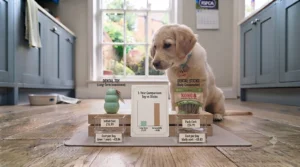
Sticks look cheap individually but the maths shifts fast once you multiply by daily use. A megapack of Pedigree Dentastix priced under £15 for roughly 28 sticks works out to a genuinely low daily cost, but that cost repeats every single month, indefinitely, for the life of your dog. A KONG Classic Dental, by contrast, is a single purchase under £15 that — based on aggregated reviewer reports of typical lifespan — can realistically survive one to three months of daily gnawing depending on your dog’s enthusiasm, meaning its true monthly cost drops sharply the longer it survives. Nylabone Dura Chew Dental, priced slightly higher in the £10-£20 range, often gets reported lasting even longer thanks to its tougher compound, which on paper makes it one of the strongest long-term value picks on this entire list — provided it actually gets used daily rather than ignored. The fairest way to compare is to work out your own dog’s real “cost per week” for whichever product you’re considering, factoring in how quickly your specific dog demolishes it, rather than trusting the shelf-edge price tag alone.
Vet Opinions on Dental Sticks and Chew Toys
Veterinary consensus, reflected consistently across VOHC’s published standards and PDSA guidance, is neither product category on its own is a substitute for brushing, but both can meaningfully support a broader dental care routine when chosen and sized correctly. The Veterinary Oral Health Council’s accepted products list exists precisely because manufacturer claims vary wildly in rigour, and only products that submit clinical trial data demonstrating a genuine reduction in plaque or tartar earn that seal — which is why products like Greenies Original and Purina Dentalife are frequently singled out by vets over unverified rivals. On the chew toy side, vets commonly caution against anything genuinely rigid enough to resist denting under a thumbnail, since the same hardness that survives an aggressive chewer can also fracture a tooth under enough repeated force — a concern echoed by the RSPCA’s guidance on cleaning your dog’s teeth, which specifically flags very hard chews and bones as a fracture risk. A recognised UK pet-care resource, Wooof’s dental chew guide, reinforces the same theme: chews work best as one part of a layered routine involving brushing and regular vet check-ups, not as a standalone fix.
Common Mistakes When Buying Dental Products for Dogs
The single most common mistake, according to aggregated reviewer feedback across every product on this list, is buying the wrong size bracket — either out of impatience or a misplaced sense that “bigger must be safer.” Undersized sticks or toys risk being swallowed whole rather than chewed properly, defeating the entire point of the mechanical cleaning action. A close second is assuming any product labelled “dental” has been independently tested, when in practice many budget and own-brand items simply use the word as marketing language without any VOHC-style verification behind it. Owners also frequently underestimate calorie contribution, particularly with denser treat-style chews like Greenies Original, leading to gradual weight gain that goes unnoticed until a routine vet visit flags it. Finally, a surprisingly common oversight is buying a single chew toy for a multi-dog household and then being confused when squabbles break out — duplicate high-value items are almost always worth the extra cost in household peace alone.
Long-Term Dental Option: What Actually Lasts
If you’re weighing this purely on longevity, the reusable toys on this list have the structural edge — a well-chosen Nylabone Dura Chew Dental can realistically outlive several bags of any consumable stick, provided your dog’s teeth and chewing style suit the material. But “lasts longest” and “delivers the most consistent dental benefit” aren’t automatically the same thing. A stick guarantees at least one proper chewing session because it’s eaten as part of a routine, while a toy’s long-term value only materialises if your dog keeps returning to it voluntarily, day after day, for months on end. The genuinely long-term winning strategy, based on the pattern across both product categories and supported by veterinary guidance on layered dental care, is rarely “pick one forever” — it’s building a rotating routine that combines a daily consumable stick with a standing reusable toy, backed by actual toothbrushing whenever you can manage it.

Frequently Asked Questions
❓ Are dental sticks actually better than brushing for dogs?
❓ How often should I give my dog a dental chew toy or stick?
❓ Do VOHC-approved dental chews really work better?
❓ Can puppies use dental chew toys safely?
❓ What's cheaper long-term, a dental stick or a chew toy?
Conclusion
There’s no single correct answer buried in the dental chew toy vs dental stick for dogs debate — only a correct answer for your specific dog, at their specific age, with their specific chewing habits and dental history. Budget-conscious owners with food-driven dogs will likely lean toward a rotation of Pedigree Dentastix or Purina Dentalife, while households with a determined power-chewer and a bit more patience may get better long-term value from Nylabone Dura Chew Dental or KONG Classic Dental. Dogs with sensitivities do well with WHIMZEES Stix or Virbac VeggieDent Fresh, and anyone chasing an independently verified claim should keep an eye out for that VOHC seal on the pack. Whichever direction you go, treat it as one layer of a broader routine rather than a magic fix — pair it with regular vet checks and brushing where you can, and let your own dog’s enthusiasm (or total indifference) guide the final call.
✨ Ready to Build Your Dog’s Dental Routine?
🔍 Compare today’s prices on your shortlisted picks above and see which one your dog actually chews rather than ignores. A little trial and error now saves a much bigger vet bill later!
Recommended for You
- 7 Best Dog Teeth Cleaning Toys UK 2026: Vet-Backed Picks
- Dental Chew Toys for Dogs: 7 Vet-Reviewed Picks for 2026
- 7 Best Dental Chew Balls for Dogs in 2026: Honest UK Guide
Disclaimer: This article contains affiliate links. As an Amazon Associate, I earn from qualifying purchases. If you purchase products through these links, we may earn a small commission at no additional cost to you.
✨ Found this helpful? Share it with your friends! 💬🤗
