
In This Article
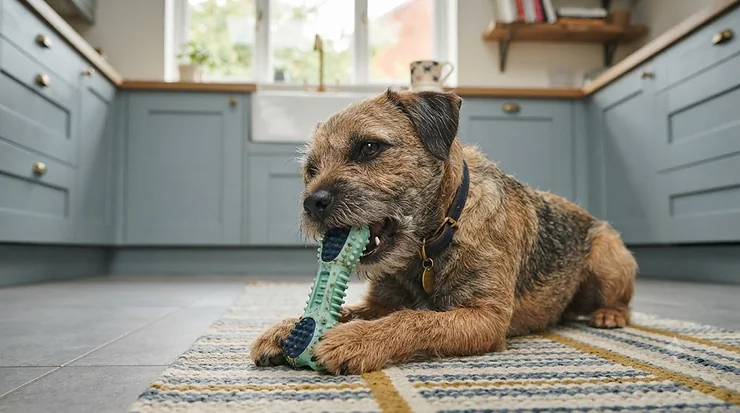
Dog breath shouldn’t smell like it’s been fermenting in a bin for a week, but for an awful lot of dogs, that’s exactly the situation their owners are quietly putting up with. The usual culprit isn’t diet or age. It’s plaque, quietly hardening into tartar along the gumline while nobody’s looking. Dental chew toys for dogs step into that gap: durable, textured toys designed to be gnawed on, that use the mechanical action of chewing to scrape away soft plaque before it becomes a much bigger (and pricier) problem. In plain terms, a dental chew toy is a non-edible, chewable product, usually rubber or nylon, shaped and textured specifically to clean teeth and massage gums as a dog works its jaws.
This isn’t a niche concern. According to the PDSA, dental disease is one of the most common conditions vets see in dogs, and it becomes far more likely the older a dog gets. Brushing remains the gold standard, but let’s be honest: not every dog tolerates a toothbrush, and not every owner manages daily brushing sessions with a squirming spaniel. That’s where dental chew toys for dogs earn their keep, sitting alongside brushing rather than replacing it.
This guide covers seven real, currently available products spanning budget nylon rings to premium bacon-flavoured chews, with honest analysis of what actually works, who each toy suits, and where the marketing overpromises. We’ll also dig into tartar removal, vet-recommended labelling, and how to build oral hygiene into your dog’s routine without turning it into a daily battle.
Quick Comparison Table
| Toy | Best For | Material | Price Range |
|---|---|---|---|
| KONG Dental Dog Toy | Average chewers, all sizes | Natural rubber | Around £8-£15 |
| Nylabone Power Chew Dental Chew Toy | Aggressive, strong chewers | Durable nylon | Around £7-£14 |
| Benebone Dental Chew | Flavour-motivated dogs | Nylon with real flavour | Around £10-£18 |
| Petstages Orka Dental Links | Puppies, gentle chewers | TPE rubber with rope | Around £6-£12 |
| Rosewood Mint Ring | Budget-conscious owners | Nylon | Around £3-£7 |
| Trixie Denta Fun Mint Baseball | Play-and-chew combo | Natural rubber | Around £4-£9 |
| Nylabone Puppy Dental Chew | Teething puppies | Softer nylon | Around £5-£10 |
Looking at this spread, the split isn’t really about brand loyalty, it’s about jaw strength and motivation. A determined Labrador will demolish the Rosewood Mint Ring in an afternoon but barely dent the Nylabone Power Chew Dental Chew Toy, while a nervous rescue dog might ignore an unflavoured rubber toy entirely and go straight for the bacon-scented Benebone Dental Chew. Price alone tells you almost nothing about how long a toy will survive; the material and your dog’s individual chewing style tell you everything.
💬 Just one click — help others make better buying decisions too!😊
Top 7 Dental Chew Toys for Dogs: Expert Analysis
1. KONG Dental Dog Toy — the reliable all-rounder for everyday chewers
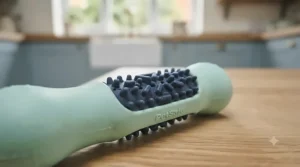
The KONG Dental Dog Toy has been a fixture in UK vet waiting rooms and pet shop shelves for decades, and there’s a reason it hasn’t been quietly retired. Made from KONG’s Classic natural rubber, it’s moulded with raised ridges specifically designed to run against the tooth surface and gumline as a dog gnaws, rather than simply giving them something to bite down on.
The rubber has enough give to flex under a bite without splintering, which matters because rigid materials are the ones most likely to crack a tooth. On paper, this means the KONG Dental Dog Toy suits dogs with a moderate, sustained chewing style rather than dogs that clamp down hard and immediately. It’s also hollow, so owners can stuff it with a smear of peanut butter or paste to extend engagement, which is a genuinely useful trick for anxious or bored dogs rather than just a marketing gimmick.
Reviewers consistently report that the KONG Dental Dog Toy holds up well against average chewers over months rather than weeks, though some owners of committed power-chewers note it wears down faster than KONG’s black Extreme range, which is worth knowing before you buy for a determined bully breed.
Pros:
- ✅ Flexes without splintering, reducing tooth-fracture risk
- ✅ Stuffable design extends chewing engagement
- ✅ Widely stocked with easy size matching by weight
Cons:
- ❌ Not built for the most aggressive power-chewers
- ❌ Ridges wear smooth faster than harder nylon rivals
At around £8-£15 depending on size, the KONG Dental Dog Toy earns its price as a genuinely dependable daily option rather than a novelty buy.

2. Nylabone Power Chew Dental Chew Toy — the toughest pick for serious chewers
Built for dogs that treat every toy as a personal challenge, the Nylabone Power Chew Dental Chew Toy is moulded from Nylabone’s toughest nylon blend, with multiple raised textures running along the chewing ends.
Those raised nubs and ridges do double duty: they resist compression better than softer rubber, so they keep their scraping texture for longer, and Nylabone’s own product data notes the shape encourages side-of-mouth chewing rather than front-teeth gnawing, which is the motion that actually reaches back molars. What most buyers overlook about nylon dental toys is that the trade-off for durability is rigidity; this isn’t a toy that flexes much, so it’s genuinely better suited to adult dogs with fully developed, healthy teeth rather than puppies or seniors with worn enamel.
Aggregated review sentiment across retail listings is strongly positive on longevity, with owners of notoriously destructive breeds like huskies and German Shepherds frequently reporting these toys outlast almost everything else they’ve tried, though a minority mention their dog simply loses interest without a strong flavour to chase.
Pros:
- ✅ Genuinely built to withstand extreme, sustained chewing
- ✅ Multiple textures target plaque at different mouth angles
- ✅ Long usable lifespan reduces overall replacement cost
Cons:
- ❌ Rigid material unsuitable for puppies or dogs with dental issues
- ❌ Less naturally motivating without added flavour
Priced around £7-£14, the Nylabone Power Chew Dental Chew Toy is arguably the best value-per-month pick for tough adult chewers, provided your dog’s teeth are already in good condition.
3. Benebone Dental Chew — best for flavour-driven, food-motivated dogs
The Benebone Dental Chew takes a different approach entirely: rather than relying on shape and texture alone, it leans hard into scent and taste, using a genuine bacon (or peanut) flavour infused right through the nylon rather than sprayed on the surface.
That curved, ergonomic shape isn’t just aesthetic branding either. It’s specifically designed to sit under a paw for grip, which matters more than it sounds, since dogs without a stable grip on a chew often abandon it after a few minutes. The deep grooves running along the body serve the dental function, catching against teeth as the dog works the toy, while the infused flavour means the scent doesn’t fade the way surface-coated chews do once the outer layer is gnawed away.
Reviewers frequently mention that the flavour genuinely appears to hold dogs’ attention longer than unflavoured rivals, particularly with dogs that previously ignored plain rubber or nylon toys, though a recurring theme in aggregated feedback is that determined chewers can still reduce it to small chunks within a few weeks, so supervision matters here as much as anywhere else.
Pros:
- ✅ Flavour infused throughout, not just coated on the surface
- ✅ Ergonomic curve helps dogs grip and chew independently
- ✅ Strong engagement even with previously toy-indifferent dogs
Cons:
- ❌ Premium price relative to comparable nylon toys
- ❌ Not suitable for households managing a nut allergy concern
At around £10-£18, the Benebone Dental Chew is a solid pick specifically for dogs that have rejected other dental toys purely through lack of interest.
4. Petstages Orka Dental Links — gentle option for puppies and soft chewers
Where the previous two toys are built for adult power-chewers, the Petstages Orka Dental Links is aimed squarely the other direction: puppies, small breeds, and dogs with a gentler chewing style who’d bounce straight off something as rigid as pure nylon.
It’s made from Petstages’ TPE rubber rings, softer and more forgiving than KONG’s classic rubber, linked together with a central rope section. The raised diamond texture on the rubber rings is what does the dental work, gently massaging gums rather than aggressively scraping enamel, while the woven rope segment tackles the interdental spaces a smooth toy simply can’t reach, working a bit like dental floss during a tug session.
Here’s what to weigh with rope-inclusive designs like this one: they’re genuinely good at reaching between teeth, but rope fibres can fray with heavy use, and any small dog owner should watch for loose threads rather than let them chew unsupervised for hours. Aggregated feedback tends to highlight how well small and toy breeds engage with the multiple textures compared with single-material rubber toys, particularly during the teething stage.
Pros:
- ✅ Softer material genuinely suited to puppies and small breeds
- ✅ Rope element reaches interdental gaps other shapes miss
- ✅ Multiple textures keep gentle chewers engaged longer
Cons:
- ❌ Rope fibres can fray and need monitoring
- ❌ Too soft to hold up against aggressive adult chewers
Around £6-£12, the Petstages Orka Dental Links offers strong value specifically for the puppy and small-breed segment of the market.
5. Rosewood Mint Ring — best budget pick from a British brand
The Rosewood Mint Ring is proof that dental chew toys for dogs don’t need a premium price tag to earn their place in the toy box. Rosewood, a long-established British pet brand, makes this ring from durable nylon with mint flavour cooked directly into the material rather than applied as a coating.
The ring shape itself is doing more work than it first appears. Circular chews encourage dogs to rotate the toy naturally as they gnaw, which spreads wear more evenly and exposes fresh textured surface continually, rather than flattening a single chewed face the way straight bones sometimes do. The mint flavouring serves a genuine secondary purpose beyond palatability too, since mint is commonly included in dental products specifically for its breath-freshening properties.
Owner reviews consistently describe this as excellent value for persistent chewers, with several noting a single ring has lasted many months on a determined year-old dog, though as with any nylon product, expect a shorter lifespan on the most aggressive chewers than the mint flavour alone might suggest.
Pros:
- ✅ Genuinely low price without sacrificing basic durability
- ✅ Ring shape distributes wear evenly across the toy
- ✅ Mint flavour supports fresher breath as a side benefit
Cons:
- ❌ Less textured detail than premium ridged designs
- ❌ Sizing runs by weight band, so measure your dog first
At roughly £3-£7, the Rosewood Mint Ring is the easiest recommendation in this list for owners wanting to trial dental toys without a big financial commitment.
6. Trixie Denta Fun Natural Rubber Mint Baseball — best for combining play with dental care
The Trixie Denta Fun Natural Rubber Mint Baseball takes the classic fetch-ball format and repurposes it as a functional dental tool, which is a genuinely clever bit of design thinking rather than a dental toy dressed up as a ball.
Made from natural rubber with a raised, seamed texture reminiscent of stitching, the ball’s surface catches against teeth during both active play and solo chewing sessions, while the mint flavour infused into the rubber tackles breath odour directly. Because it’s a genuine bounce-and-fetch ball rather than a static chew, it naturally encourages more frequent handling throughout the day than a toy left in a basket, which on paper means more incidental dental contact without the owner needing to actively manage a “chew session.”
Aggregated reviews are notably positive about durability for its price point, with several owners specifically mentioning it survived months of daily chewing from larger breeds without visible damage, and more than one noting a vet had commented favourably on their dog’s teeth after regular use.
Pros:
- ✅ Doubles as a fetch toy, encouraging more frequent use
- ✅ Textured surface works during both play and solo chewing
- ✅ Strong durability reports relative to its budget price
Cons:
- ❌ Ball shape can roll under furniture and get lost
- ❌ Less suited to dogs who chew rather than fetch
Priced around £4-£9, the Trixie Denta Fun Natural Rubber Mint Baseball is an easy add for owners already doing regular fetch sessions.
7. Nylabone Puppy Dental Chew — designed specifically for teething puppies
Adult-strength nylon has no business anywhere near a teething puppy’s sore gums, which is exactly the gap the Nylabone Puppy Dental Chew is built to fill, using a noticeably softer, more flexible formulation than Nylabone’s adult Power Chew range.
The softer material matters clinically as much as comfort-wise. According to PDSA guidance, puppies begin losing their baby teeth at around four months old as adult teeth emerge, and offering appropriate chew outlets during this window is genuinely useful for managing sore gums and redirecting chewing away from furniture. The raised nubs on this chew are designed to gently massage inflamed gum tissue rather than scrape hard against it, and the flavouring is baked through rather than surface-applied so it survives longer under a puppy’s persistent gnawing.
Reviewers frequently note their puppies were noticeably calmer and less inclined toward destructive chewing on furniture once given regular access, and several specifically mention the softer texture seemed gentler during the more uncomfortable teething weeks compared with adult-formulated toys they’d previously tried.
Pros:
- ✅ Softer nylon genuinely appropriate for developing puppy teeth
- ✅ Helps redirect destructive teething chewing away from furniture
- ✅ Baked-in flavour holds up under persistent puppy gnawing
Cons:
- ❌ Puppies will quickly outgrow it as adult teeth strengthen
- ❌ Not durable enough for adult power-chewer replacement use
At around £5-£10, the Nylabone Puppy Dental Chew is close to essential kit for anyone bringing home a teething puppy.
Practical Usage Guide: Getting the Most from Your Dog’s Dental Chew Toy
Buying the right toy is only half the job; how you introduce and manage it matters just as much. In the first week, offer the toy for short, supervised sessions rather than leaving it out permanently, so you can gauge how your dog chews it and whether the size and firmness genuinely suit them. Watch specifically for signs the material is too hard, chipped teeth, reluctance to chew, or visible tooth damage, and swap to something softer immediately if you notice any of these.
A common mistake in the first month is picking a toy sized for the dog’s breed rather than their actual chewing intensity; a gentle Labrador and an intense one need different toys despite being the same size. Rotate two or three different dental toys rather than relying on a single one, since variety keeps engagement high and spreads dental contact across different tooth surfaces and textures. Inspect every toy weekly for cracks, splitting, or pieces small enough to swallow, and retire anything showing wear rather than waiting for it to fail completely. For maximum dental benefit, aim for daily chewing sessions of ten to fifteen minutes rather than occasional marathon sessions, since consistency does more for plaque control than intensity ever will.
Real-World Scenarios: Matching the Right Chew Toy to Your Dog
Picture Sarah, a first-time owner with an eight-week-old Cockapoo puppy mid-teething, chewing everything from skirting boards to shoelaces. For her, the Nylabone Puppy Dental Chew paired with the Petstages Orka Dental Links covers both the softness her puppy’s gums need and the interdental rope contact that supports healthy adult teeth coming through.
Now consider Dev, who owns a two-year-old Staffordshire Bull Terrier with a genuinely formidable chewing habit and a modest budget. The Nylabone Power Chew Dental Chew Toy is built precisely for this profile, rigid enough to survive sustained power-chewing, while a Rosewood Mint Ring in rotation keeps costs manageable between replacements.
Finally, picture Anne, whose ten-year-old rescue Collie has mild existing gum sensitivity and limited interest in toys generally. Here, the flexible KONG Dental Dog Toy stuffed with a smear of dog-safe paste, alongside the flavour-forward Benebone Dental Chew, addresses both the gentler chewing needs of an older mouth and the motivation problem of an under-stimulated senior dog.
Problem → Solution: Fixing Common Dental Chew Toy Issues
Problem: My dog ignores the toy completely. Try a flavoured option like the Benebone Dental Chew or Trixie Denta Fun Natural Rubber Mint Baseball, and introduce it during a calm moment rather than leaving it in a busy toy pile where it gets overlooked.
Problem: The toy is destroyed within days. Step up to a genuinely tough option such as the Nylabone Power Chew Dental Chew Toy, and always supervise the first few sessions to confirm the material actually withstands your dog’s bite force before leaving them unsupervised.
Problem: My puppy’s gums seem sore during chewing. Switch to something softer, like the Nylabone Puppy Dental Chew, and consider briefly chilling it, since mild cold can soothe inflamed teething gums.
Problem: I can’t tell if the toy is actually helping. Check gumline colour and breath weekly using PDSA’s guidance on examining your dog’s teeth and gums at home, and flag any redness, bleeding, or persistent bad breath to your vet promptly.
Problem: My dog has existing tartar buildup. Dental toys alone won’t shift established tartar; book a veterinary check first, since PDSA notes that hardened tartar typically needs a professional scale rather than home management alone.
How to Choose Dental Chew Toys for Dogs: 7 Expert Criteria
- Match firmness to chewing style. A toy that doesn’t flex slightly under thumb pressure is often too hard for anything but the toughest adult chewer, and risks cracking teeth in gentler dogs.
- Size for your dog’s actual weight, not their breed reputation. Undersized toys pose a choking risk; oversized ones simply get ignored.
- Consider texture density. More raised ridges and nubs generally mean more surface contact with teeth per chewing motion.
- Factor in flavour only as a secondary driver. It boosts engagement, but shouldn’t override safety or firmness considerations.
- Check for a VOHC-style scientific claim where relevant. The Veterinary Oral Health Council independently reviews plaque and tartar control claims for dental products, and while not every chew toy is submitted for review, brands that have earned the seal have data behind their claims.
- Prioritise material safety over novelty. Avoid anything that splinters, or that you can’t confirm is free from harmful additives.
- Plan for rotation, not a single toy. Owning two or three different dental toys spreads wear, sustains interest, and covers more of the mouth than any single shape can alone.
Top-Rated Dog Dental Toys vs Dental Sticks and Chews
Search “dental chew toys for dogs” and you’ll get a mixed bag of non-edible toys and edible dental sticks lumped together, but they work quite differently. Top-rated dog dental toys, the rubber and nylon kind covered in this guide, are reusable, mechanically abrasive, and rely on repeated chewing over weeks or months to deliver ongoing dental benefit. Edible dental sticks, by contrast, are consumed in a single sitting, deliver their dental action in one pass, and add calories to a dog’s daily intake every single time they’re used.
| Factor | Toys (e.g. KONG Dental Dog Toy) | Edible Sticks |
|---|---|---|
| Reusability | Reusable over weeks/months | Single use |
| Calorie impact | None | Adds daily calories |
| Interdental reach | Moderate, better with rope designs | Often good, purpose-shaped |
| Supervision needed | Ongoing, check for wear | Lower, but choking risk while eating |
The calorie point matters more than owners often realise, since edible dental sticks are frequently underestimated as “just a treat” when they’re regularly contributing to weight gain over months. Toys sidestep that problem entirely, though sticks arguably deliver more consistent gumline contact in a single use since they’re eaten rather than gnawed selectively. Most vets, including guidance summarised by PDSA, suggest combining both types alongside brushing rather than picking one exclusively.
Dental Chew Toys for Adult Dogs: What Changes After Puppyhood
Once a dog’s adult teeth are fully in, usually by around six to seven months, the calculus around dental chew toys for dogs shifts meaningfully. Adult teeth and jaw muscles are considerably stronger than a puppy’s, which opens the door to firmer materials like the Nylabone Power Chew Dental Chew Toy that would have been entirely inappropriate a few months earlier.
Adult dogs also tend to have settled, predictable chewing habits by this stage, so owners can match toy firmness with real confidence rather than guessing. What most buyers overlook here is that adult dental needs actually intensify with age rather than staying static; middle-aged and senior dogs face rising periodontal disease risk, so consistent daily chewing becomes more valuable, not less, even as some older dogs need softer options like the KONG Dental Dog Toy if their teeth show wear or sensitivity. The practical takeaway: reassess your dog’s dental toy roughly every six to twelve months, since jaw strength, tooth condition, and enthusiasm can all shift meaningfully across an adult dog’s life.
Dog Dental Toy Comparison: Reading Past Marketing Claims
Every dental toy on the shelf claims to fight plaque and tartar, but the strength of evidence behind that claim varies enormously between products. Some brands cite in-house testing; others reference independent bodies; plenty offer no supporting data at all beyond the shape of the packaging copy.
When running your own dog dental toy comparison, look specifically for three things: whether the manufacturer references any testing methodology at all, whether the material composition is disclosed rather than hidden behind vague terms like “safe rubber compound,” and whether real owner reviews mention actual dental outcomes (fresher breath, visible tartar reduction) rather than just durability. A toy that’s merely tough but never mentioned for dental results by reviewers is functioning as a chew toy, not necessarily a dental one, even if it’s marketed as such. This distinction matters more than brand recognition when you’re comparing options side by side.
Tartar Removal Toys: What the Evidence Actually Shows
Tartar removal toys work through mechanical abrasion: as a dog chews, the textured surface scrapes against the tooth, disrupting soft plaque before it mineralises into hardened tartar. This is genuinely useful, but there’s an important limitation worth being upfront about. Once plaque has already hardened into tartar, chewing toys generally can’t remove it; PDSA is explicit that established tartar buildup close to the gumline typically requires veterinary attention rather than home remedies alone.
| Toy Type | Best Tartar-Prevention Mechanism | Limitation |
|---|---|---|
| KONG Dental Dog Toy | Ridged flex-rubber scraping | Slower texture wear vs nylon |
| Nylabone Power Chew | Rigid multi-textured nubs | Doesn’t reach every angle |
| Petstages Orka Dental Links | Rope flossing action | Softer material, less scrape force |
So the realistic goal for any tartar removal toy is prevention, not correction. Dogs already showing brown tartar deposits need a professional scale first; the toy then becomes a maintenance tool to slow future buildup, working best as one layer in a wider routine rather than a standalone fix.
Vet-Recommended Chew Toys: What That Label Really Means
“Vet-recommended” appears on packaging constantly, but it’s worth understanding what actually sits behind the phrase before it influences a purchase. Sometimes it reflects genuine clinical endorsement or independent seal programmes like the Veterinary Oral Health Council’s Seal of Acceptance, which requires manufacturers to submit clinical trial data demonstrating measurable plaque or tartar reduction. Other times, it’s simply a general statement that vets, as a professional group, broadly support the concept of dental chewing, which is true but far less specific than it sounds on a label.
The practical filter here: look for a named certifying body or study reference rather than accepting the phrase at face value. Toys like the KONG Dental Dog Toy and Nylabone Power Chew Dental Chew Toy have decades of real-world veterinary familiarity behind them even without a formal seal on every product line, which is a reasonable middle ground between blind trust and total skepticism. When in doubt, your own vet’s opinion on your specific dog’s mouth will always outrank anything printed on packaging.
Overall Dog Oral Hygiene: Building a Routine Beyond the Toy Box
Dental chew toys for dogs are one piece of a larger picture, not the whole solution, and treating them as such sets realistic expectations. A genuinely effective overall dog oral hygiene routine layers several habits: daily or near-daily brushing where possible using dog-specific toothpaste, regular dental toy chewing sessions for mechanical plaque control between brushings, weekly at-home mouth checks to catch problems early, and annual veterinary dental assessments regardless of how clean things look at home.
Diet plays a quieter role too; PDSA notes that a diet incorporating dry kibble may support better oral health compared with an entirely soft diet, simply through the additional chewing action involved. None of these elements alone matches what a combined routine achieves, and dogs that get brushing, chewing, and regular vet checks together consistently fare better than dogs relying on any single method in isolation.
Long-Term Cost & Maintenance of Dental Chew Toys
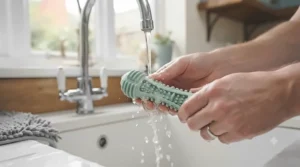
Thinking in total cost of ownership rather than sticker price changes the maths considerably. A £15 Nylabone Power Chew Dental Chew Toy that survives eight months works out cheaper per month than a £4 budget ring replaced every three weeks by a determined chewer. Maintenance is minimal but not zero: most rubber and nylon toys can be washed in warm soapy water or run through a dishwasher’s top rack, and should be inspected weekly regardless of apparent durability.
Realistically, budget for two to four toy replacements a year for a moderate chewer, more for genuinely aggressive breeds, and factor that into whichever price point you’re weighing against the return in reduced vet dental bills, which, per PDSA, can run considerably higher than any toy over a dog’s lifetime if dental disease goes unmanaged.
Safety, Regulations & Compliance: What UK Owners Should Know
UK pet toy manufacturing isn’t subject to the same formal regulatory testing regime as children’s toys, so responsibility for safety assessment falls more heavily on manufacturers’ own material standards and on owner supervision. That said, reputable brands featured here, including KONG, Nylabone, Benebone, Petstages, Rosewood, and Trixie, all publish material safety information and size guidance, which is worth checking against your specific dog before buying.
Practical safety habits matter more than any certification here: always size a toy to your dog’s actual weight rather than age, supervise chewing sessions especially in the first weeks with a new toy, and retire anything showing cracks, splitting, or pieces small enough to present a choking risk. If your dog has any existing dental disease, PDSA recommends consulting your vet before introducing firm chew toys, since an already compromised tooth is far more vulnerable to fracture.
✨ Ready to Upgrade Your Dog’s Dental Routine?
🔍 Take your dog’s oral health to the next level with a properly matched dental chew toy. Click through on any of the picks above to check current pricing and availability, and give your best friend the fresher breath and healthier gums they deserve!
FAQ
❓ Do dental chew toys for dogs actually work?
❓ How often should I give my dog a dental chew toy?
❓ Are dental chew toys safe for puppies?
❓ Can dental toys remove existing tartar?
❓ What's the difference between dental chew toys and dental sticks?
Conclusion
Dental chew toys for dogs aren’t a silver bullet, and nothing in this guide pretends otherwise, but matched correctly to your dog’s size, age, and chewing intensity, they’re a genuinely useful layer of everyday dental protection that fits far more realistically into most households than daily brushing alone ever manages. Whether that means the dependable KONG Dental Dog Toy for a moderate adult chewer, the rugged Nylabone Power Chew Dental Chew Toy for a determined power-chewer, or the gentle Nylabone Puppy Dental Chew for a teething eight-week-old, the right choice comes down to honestly assessing your own dog rather than chasing the toy with the flashiest packaging.
Pair whichever toy suits your dog with regular at-home mouth checks and annual veterinary dental reviews, and you’ll be doing considerably more for your dog’s long-term comfort than the toy alone ever could. Fresh breath and a healthy mouth are entirely achievable goals, not aspirational ones, and they start with picking the right tool for the job in front of you.
✨ Found Your Dog’s Perfect Dental Match?
🔍 Explore the full range of dental chew toys for dogs featured in this guide and start building a dental routine your dog will actually enjoy sticking to!
Recommended for You
- 7 Best Dental Chew Balls for Dogs in 2026: Honest UK Guide
- Dental Chew Toys Under £10: 7 Brilliant Budget Picks (2026)
- Sustainable Wood Dog Chews: 7 UK Picks That Won’t Cost the Earth (2026)
Disclaimer: This article contains affiliate links. As an Amazon Associate, I earn from qualifying purchases. If you purchase products through these links, we may earn a small commission at no additional cost to you.
✨ Found this helpful? Share it with your friends! 💬🤗
