In This Article
Picture this: you’re at your local park on a drizzly Saturday morning, and your German Shepherd has just demolished yet another tennis ball in approximately four minutes flat. Sound familiar? If you’ve got a large breed dog, you know the struggle of finding a ball that can withstand those powerful jaws whilst still being safe and entertaining.

The truth is, not all dog toys are created equal. A large rubber ball for big dogs needs to tick several boxes: durability against aggressive chewers, the right size to prevent choking hazards, proper bounce for engaging fetch games, and materials that won’t harm your beloved pet. According to research from the University of Liverpool, dog walking and play contribute significantly to both canine and owner well-being, making the right toy selection crucial for your dog’s physical and mental health.
In this comprehensive guide, I’ll walk you through everything you need to know about choosing the perfect large rubber ball for big dogs. Whether you’ve got a Labrador, Rottweiler, German Shepherd, or any other large breed, you’ll discover the top seven products available in the UK market, complete with honest pros and cons, current pricing, and real customer feedback. What is a large rubber ball for big dogs? It’s a specially designed, durable toy typically measuring 6.5-10 centimetres (2.5-4 inches) in diameter, crafted from solid or extra-thick rubber to withstand powerful jaws whilst providing safe, engaging play for breeds over 20 kilograms.
Quick Comparison Table
| Product | Size | Material | Price Range (£) | Best For | Rating |
|---|---|---|---|---|---|
| KONG Extreme Ball | Medium/Large (6.5cm) | Black ultra-durable rubber | £8-£12 | Power chewers | 4.5/5 |
| Chuckit! Ultra Ball | Large (7.5cm) | High-bounce rubber | £6-£10 | Active fetch games | 4.7/5 |
| Willy & Dilly Solid Ball | Large (9.5cm) | 100% natural rubber | £12-£16 | Heavy chewers | 4.6/5 |
| Snug Rubber Dog Ball | Tennis ball size (6.5cm) | Natural rubber | £8-£11 (3-pack) | Multi-dog households | 4.4/5 |
| KONG Ball with Hole | Medium/Large (6.5cm) | Classic KONG rubber | £7-£11 | Training & treats | 4.5/5 |
| Chuckit! Ultra Squeaker | Large (7.5cm) | Rubber with squeaker | £7-£12 | Sound-motivated dogs | 4.6/5 |
| Jolly Pets Bounce-n-Play | Large (20cm) | Durable plastic | £15-£22 | Herding breeds | 4.3/5 |
💬 Just one click – help others make better buying decisions too!😊
Top 7 Large Rubber Ball for Big Dogs: Expert Analysis
1. KONG Extreme Ball – The Indestructible Champion
The KONG Extreme Ball stands as the gold standard for powerful chewers across the UK. Manufactured in the USA with globally sourced materials, this ball features KONG’s signature ultra-durable black rubber formula that’s tougher than their classic red version.
Key Specifications:
- Size: Medium/Large (6.5cm diameter)
- Weight: Approximately 180g
- Material: Ultra-durable natural rubber compound
UK Customer Feedback: British dog owners consistently praise this ball’s longevity. One German Shepherd owner from Manchester noted it lasted over a year of daily use, whilst a Rottweiler parent from Edinburgh mentioned their dog finally met their match with this toy.
✅ Pros:
- Exceptional durability for aggressive chewers
- Puncture-resistant construction
- Erratic bounce pattern for exciting play
❌ Cons:
- Heavier than standard balls
- Premium pricing
Price Range: £8-£12 on Amazon.co.uk Ideal for: American Bulldogs, Rottweilers, German Shepherds, Staffordshire Bull Terriers
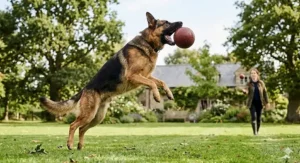
2. Chuckit! Ultra Ball – The Fetch Enthusiast’s Dream
The Chuckit! Ultra Ball revolutionises traditional fetch games with its high-visibility design and exceptional bounce. Compatible with Chuckit! launchers, this ball has become a staple in UK dog parks from Cornwall to the Scottish Highlands.
Key Specifications:
- Size: Large (7.5cm diameter)
- Material: Extra-thick natural rubber core
- Features: Floats in water, easy-clean surface
UK Customer Feedback: A Labrador owner from Surrey reported the bright orange and blue colours made it “impossible to lose in tall grass”, whilst a Springer Spaniel parent praised its buoyancy during beach trips to Bournemouth.
✅ Pros:
- Superior bounce height for athletic dogs
- Launcher compatible for distance throwing
- High-visibility colours for easy spotting
❌ Cons:
- Not suitable for extreme chewers who gnaw stationary toys
- Can accumulate dirt in textured surface
Price Range: £6-£10 on Amazon.co.uk Ideal for: Border Collies, Labradors, Springer Spaniels, Vizslas
3. Willy & Dilly Solid Ball – The Premium British Choice
This UK-based company produces one of the heaviest and most robust balls on the market. The Willy & Dilly Solid Ball weighs an impressive 545 grams, providing a serious workout for powerful breeds.
Key Specifications:
- Size: Large (9.5cm diameter)
- Weight: 545g
- Material: 100% natural rubber with antimicrobial protection
UK Customer Feedback: Reviews from Great Dane and Mastiff owners highlight how this ball “wears dogs out quickly” thanks to its substantial weight. A customer from Birmingham noted their Malamute treated it like “a prized possession”.
✅ Pros:
- Antimicrobial protection prevents bacteria buildup
- Available in flavoured varieties (beef, venison, chicken)
- Excellent for building jaw strength
❌ Cons:
- Very heavy for smaller large breeds
- Premium price point
Price Range: £12-£16 on Willy & Dilly UK Ideal for: Mastiffs, Great Danes, Newfoundlands, Giant Schnauzers, Malamutes
4. Snug Rubber Dog Ball – The Budget-Friendly Pack
For multi-dog households or those who frequently lose balls in the undergrowth, the Snug Rubber Dog Ball 3-pack offers excellent value. These tennis ball-sized options come in vibrant two-tone colours.
Key Specifications:
- Size: Tennis ball size (6.5cm diameter)
- Material: Heavy-duty natural rubber
- Package: 3-pack in assorted colours
UK Customer Feedback: A West Highland Terrier owner mentioned the two-tone design was “brilliant for beach trips where yellow might blend in with sand but blue stands out”. Several reviewers noted impressive durability despite the affordable price.
✅ Pros:
- Excellent value for money (three balls)
- Floats in water for pool and pond play
- BPA-free and non-toxic
❌ Cons:
- Slightly larger than standard tennis balls
- May be too small for giant breeds
Price Range: £8-£11 (3-pack) on Amazon.co.uk Ideal for: Boxers, Standard Poodles, Collies, Huskies
5. KONG Ball with Hole – The Training Essential
The KONG Ball with Hole combines fetch fun with reward-based training. Its unique design allows treats to be inserted, creating an engaging puzzle element during play sessions.
Key Specifications:
- Size: Medium/Large (6.5cm diameter) for dogs 6.8-29.5kg
- Material: KONG Classic natural rubber
- Features: Central hole for treats, puncture-resistant
UK Customer Feedback: UK dog trainers frequently recommend this ball for positive reinforcement. A customer from Leeds uses it for recall training, whilst a Bristol-based owner fills it with peanut butter for extended entertainment.
✅ Pros:
- Versatile for training and play
- Made in USA with quality materials
- Safety air vent design
❌ Cons:
- Requires regular cleaning if used with food
- Not suitable for giant breeds
Price Range: £7-£11 on Amazon.co.uk Ideal for: Training-focused owners, Labradors, Pointers, Australian Shepherds

6. Chuckit! Ultra Squeaker Ball – The Noise Lover’s Delight
For dogs motivated by sound, the Chuckit! Ultra Squeaker Ball combines the brand’s renowned durability with an engaging squeaker mechanism that withstands serious chomping.
Key Specifications:
- Size: Large (7.5cm diameter)
- Material: Durable rubber with internal squeaker
- Features: Launcher compatible, floats
UK Customer Feedback: Mixed breed owners across the UK report the squeaker remains functional even after months of use. A Cocker Spaniel owner from Devon noted it “keeps my dog engaged for hours”.
✅ Pros:
- Durable squeaker mechanism
- All benefits of standard Ultra Ball
- Adds auditory stimulation
❌ Cons:
- Squeaker may annoy some owners
- Slightly more expensive
Price Range: £7-£12 on Amazon.co.uk Ideal for: Sound-motivated breeds, Spaniels, Beagles, Terriers
7. Jolly Pets Bounce-n-Play – The Herding Ball Specialist
The Jolly Pets Bounce-n-Play takes a different approach with its larger 20-centimetre diameter, designed specifically for herding breeds and dogs who enjoy pushing rather than carrying.
Key Specifications:
- Size: Large (20cm diameter)
- Material: Durable plastic construction
- Features: Can be filled with water or sand for added weight
UK Customer Feedback: Border Collie and Australian Shepherd owners particularly appreciate this ball. A farm owner from Wales uses it to channel her working dogs’ herding instincts during play.
✅ Pros:
- Perfect for herding instinct satisfaction
- Customisable weight with filling options
- Virtually indestructible for its purpose
❌ Cons:
- Too large to carry for most dogs
- Not suitable for traditional fetch
Price Range: £15-£22 on Amazon.co.uk Ideal for: Border Collies, Australian Shepherds, Corgis, working breeds
Understanding Rubber Ball Materials and Safety
When selecting a large rubber ball for big dogs, the material composition matters tremendously. Natural rubber remains the gold standard, offering flexibility, durability, and safety. According to research from the University of Bristol’s Anthrozoology Institute, dogs engage with toys through predatory behaviour patterns, preferring objects that can be manipulated, which explains why rubber balls with varying textures prove so engaging.
Material Types Explained
Natural Rubber: The highest quality option, natural rubber provides excellent elasticity whilst remaining non-toxic. Brands like KONG and Chuckit! use food-grade rubber compounds that meet strict European safety standards. This material withstands temperature extremes, from freezing British winters to warm summer days.
Synthetic Rubber: More affordable alternatives often use synthetic rubber blends. Whilst these can still be durable, they may harden over time, particularly when left in direct sunlight. Always verify that synthetic options are BPA-free and phthalate-free.
Thermoplastic Elastomers (TPE): A newer option gaining popularity, TPE offers excellent durability with enhanced environmental credentials. Several UK manufacturers now produce TPE balls that biodegrade more readily than traditional plastics.
Safety Considerations for UK Dog Owners
The UK’s increasing focus on pet safety has led to stricter regulations. Look for balls that display CE marking, indicating compliance with European health and safety standards. Post-Brexit, UKCA marking serves the same purpose for products manufactured specifically for the UK market.
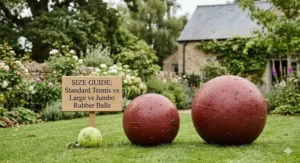
Size Matters: A ball that’s too small presents a choking hazard, particularly for large breeds with powerful jaws. The general rule suggests the ball should be large enough that your dog cannot fit it entirely in their mouth. For breeds like German Shepherds or Rottweilers, opt for balls measuring at least 6.5 centimetres in diameter.
Texture and Teeth Health: Textured surfaces can help clean teeth during play, but avoid balls with small parts that might break off. Smooth rubber balls are often safer for aggressive chewers, whilst slightly textured options benefit dogs who enjoy gentle gnawing.
How to Choose Large Rubber Ball for Big Dogs: 7-Step Process
Selecting the perfect ball involves more than grabbing the first one you see. Follow this systematic approach:
Step 1: Measure Your Dog’s Mouth Use a soft measuring tape to gauge your dog’s jaw width. The ball should be 25-30% larger than this measurement to prevent choking whilst remaining carryable.
Step 2: Assess Your Dog’s Play Style Does your dog prefer gentle gnawing, aggressive chewing, or active fetch? Power chewers need KONG Extreme-level durability, whilst fetch enthusiasts benefit from high-bounce options like Chuckit! Ultra.
Step 3: Consider Your Environment UK gardens, parks, and beaches each present different challenges. Water-friendly balls are essential for coastal walks, whilst high-visibility colours help in woodland areas.
Step 4: Evaluate Weight Preferences Lighter balls (under 200g) suit energetic fetch games, whilst heavier options (300-500g) provide muscle-building exercise for powerful breeds.
Step 5: Check Safety Certifications Verify CE or UKCA marking and ensure the product states “non-toxic” and “BPA-free” on packaging.
Step 6: Read UK Customer Reviews Focus on reviews from owners with similar breeds and verify the seller ships from or to UK addresses to ensure quick delivery.
Step 7: Start with Supervised Sessions Regardless of manufacturer claims, always supervise initial play sessions to ensure the ball suits your individual dog’s behaviour.
Benefits of Regular Play with Rubber Balls
Engaging your large breed dog with appropriate toys delivers substantial benefits beyond simple entertainment. Research from the University of Portsmouth demonstrates that physical exercise through play significantly reduces stress and anxiety in dogs, particularly important for breeds prone to separation anxiety.
Physical Health Advantages
Cardiovascular Fitness: Active fetch games provide excellent aerobic exercise. A 30-minute fetch session can burn 150-200 calories in a large breed dog, helping maintain healthy weight. This proves particularly valuable in the UK, where obesity affects approximately 40% of pet dogs according to veterinary research from UK institutions.
Joint and Muscle Strength: Chasing, jumping, and carrying rubber balls builds muscle tone and maintains joint flexibility. The varied movements during play engage different muscle groups, providing comprehensive physical conditioning.
Dental Benefits: Gnawing on appropriately textured rubber can reduce plaque buildup and massage gums. However, this shouldn’t replace proper dental care recommended by your veterinarian.
Mental Stimulation Benefits
Large breed dogs require substantial mental engagement. Interactive play with rubber balls satisfies their predatory instincts in a safe, controlled manner. The unpredictability of a bouncing ball keeps dogs alert and engaged, preventing boredom-related behavioural issues.
Problem-Solving Skills: Balls with treat compartments, like the KONG Ball with Hole, encourage cognitive engagement as dogs work to extract rewards.
Stress Relief: Regular play sessions release endorphins, reducing anxiety and promoting emotional wellbeing. This proves especially beneficial for rescue dogs or those with nervous dispositions.
Comparing Rubber Balls vs Traditional Tennis Balls
| Feature | Rubber Balls | Tennis Balls |
|---|---|---|
| Durability | Excellent (months to years) | Poor (days to weeks) |
| Safety | Non-toxic, solid construction | Fabric can fray, abrasive on teeth |
| Bounce Quality | Consistent, often superior | Loses bounce quickly |
| Water Use | Most float, easy to clean | Absorb water, become heavy |
| Cost per Use | Better value long-term | Cheaper initially, frequent replacement |
| Choking Risk | Lower when properly sized | Can be torn apart and swallowed |
The verdict? For large breed dogs, rubber balls outperform tennis balls in virtually every category. Whilst tennis balls cost less initially, the frequent replacement needed makes rubber options more economical over time.
Price Range and Value Analysis: UK Market 2026
| Price Category | Price Range (£) | Expected Features | Recommended Brands |
|---|---|---|---|
| Budget | £5-£10 | Basic solid rubber, standard colours, limited warranty | Snug, generic Amazon brands |
| Mid-Range | £10-£15 | Enhanced durability, special features (squeakers, floaters), 6-month warranty | Chuckit!, KONG Classic |
| Premium | £15-£25 | Maximum durability, antimicrobial treatments, lifetime warranty | KONG Extreme, Willy & Dilly, specialist brands |
Current market trends show premium balls offer better value for owners of powerful chewers. A £12 KONG Extreme lasting twelve months costs £1 per month, whilst £5 budget balls replaced monthly cost £60 annually.
Maintenance and Cleaning Tips for UK Dog Owners
Proper care extends ball lifespan and ensures hygiene:
Daily Maintenance:
- Rinse balls with clean water after outdoor use, particularly important after beach trips where salt can degrade rubber
- Check for damage, including cracks, chunks missing, or sharp edges
- Store indoors away from direct sunlight, which can harden rubber over time
Weekly Deep Clean:
- Wash with warm, soapy water using pet-safe detergent
- For balls with treat compartments, use a bottle brush to reach internal surfaces
- Rinse thoroughly and air dry completely
Monthly Inspection:
- Examine thoroughly under good lighting for wear signs
- Test bounce quality – significant deterioration indicates replacement time
- Verify squeakers still function if applicable
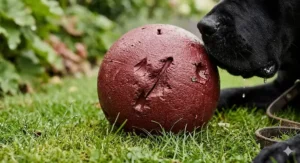
When to Replace: Replace balls immediately if you notice:
- Chunks of material missing
- Cracks that penetrate deep into the ball
- Significant size reduction from chewing
- Any sharp or jagged edges
Common Mistakes UK Dog Owners Make
Mistake 1: Choosing Based on Colour Alone Whilst high-visibility orange looks brilliant against green grass, prioritise safety and durability over aesthetics.
Mistake 2: Buying Too Small Many owners underestimate their dog’s mouth size. When in doubt, size up rather than down.
Mistake 3: Leaving Balls Outdoors British weather can be harsh. Prolonged exposure to rain and frost degrades rubber, whilst UV rays from occasional sunny spells cause hardening.
Mistake 4: Not Supervising Play Even “indestructible” balls can fail. Always supervise, particularly during initial sessions with a new toy.
Mistake 5: Ignoring Breed-Specific Needs Herding breeds may prefer larger balls they can push, whilst retrievers want carryable sizes. Consider your dog’s genetic predisposition.
Understanding Your Big Dog’s Play Preferences
Different breeds exhibit distinct play styles. Understanding these helps select the optimal ball:
Power Chewers
Breeds: Staffordshire Bull Terriers, American Bulldogs, Rottweilers
Need: Maximum durability balls like KONG Extreme
Breeds: Labradors, Golden Retrievers, Border Collies
Need: High-bounce, launcher-compatible balls like Chuckit! Ultra
Play Style: Active running, jumping, retrieving
Herding Enthusiasts
Breeds: Australian Shepherds, Border Collies, Corgis
Need: Larger balls for pushing like Jolly Pets Bounce-n-Play
Play Style: Nose-pushing, corralling behaviour
Water Lovers
Breeds: Labrador Retrievers, Newfoundlands, Portuguese Water Dogs
Need: Buoyant balls with easy-grip surfaces
Play Style: Swimming, diving, water retrieval
Seasonal Considerations for UK Dog Owners
Britain’s variable climate affects ball performance throughout the year:
Spring (March-May): Muddy conditions demand easily cleaned balls. Smooth rubber surfaces outperform textured options during wet months. High-visibility colours help locate balls in overgrown vegetation.
Summer (June-August): Avoid leaving balls in direct sunlight, which can make them uncomfortably hot. Consider balls that float for trips to UK beaches and lakes. The RSPCA recommends limiting vigorous exercise during heat waves.
Autumn (September-November): Falling leaves make bright colours essential. This season’s wet conditions can make balls slippery, so textured surfaces provide better grip.
Winter (December-February): Cold temperatures can harden rubber temporarily. Store balls indoors and allow them to reach room temperature before play. Snowy conditions make high-contrast colours crucial.
✨ Don’t Miss These Exclusive Deals!
🔍 Take your dog’s playtime to the next level with these carefully selected products. Click on any highlighted item to check current pricing and availability on Amazon.co.uk. These toys will help you create authentic bonding experiences your dog will love!
Special Needs Considerations
Some dogs require extra thought when selecting balls:
Senior Dogs: Older dogs with arthritis or dental issues benefit from slightly softer rubber. The KONG Classic (red) offers gentler resistance than the Extreme (black) version. Lighter balls reduce strain on aging joints.
Puppies of Large Breeds: Young dogs under twelve months need puppy-specific balls designed for developing teeth and jaws. Standard adult balls may prove too hard, potentially damaging permanent teeth as they emerge.
Dogs with Dental Problems: Consult your veterinarian before providing chew toys if your dog has dental disease. Softer alternatives may be recommended temporarily.
Rescue Dogs with Unknown Histories: Start with simpler, less stimulating balls to avoid overwhelming anxious dogs. Gradually introduce features like squeakers once they’ve settled.
Environmental Impact and Sustainable Choices
Environmentally conscious UK dog owners increasingly consider sustainability:
Eco-Friendly Options
Natural Rubber: Sustainably harvested natural rubber biodegrades more readily than synthetic alternatives. Brands like KONG source from responsible plantations.
Recycled Materials: Several UK companies now produce balls from recycled rubber, reducing landfill waste.
Durability Equals Sustainability: The most eco-friendly ball is the one that lasts longest. Investing in premium options reduces waste from frequent replacements.
Disposal Guidance
When balls finally reach end-of-life:
- Check if your local council accepts rubber in recycling
- Some manufacturers offer take-back programmes
- Upcycle undamaged balls as garden markers or plant supports
- Never incinerate rubber products at home
Training Applications for Rubber Balls
Beyond play, rubber balls serve valuable training purposes:
Recall Training: High-value rewards motivate better than treats alone for some dogs. Using a favourite ball as a reward builds strong recall responses.
Impulse Control: Teaching “wait” and “leave it” commands using balls develops self-control. Start with the ball stationary, progressing to bouncing and rolling.
Scent Work: Hide balls around your garden or during walks, encouraging natural scenting abilities.
Fitness Building: Structured fetch sessions with timed intervals provide targeted conditioning for athletic dogs or those recovering from injury (under veterinary guidance).
Frequently Asked Questions
❓ How long should a good quality large rubber ball for big dogs last?
❓ Can large rubber balls harm my dog's teeth?
❓ What's the best size rubber ball for a German Shepherd?
❓ Are expensive rubber balls worth the money for large dogs?
❓ How do I stop my large dog destroying rubber balls so quickly?
Conclusion: Making the Right Choice for Your Big Dog
Selecting the ideal large rubber ball for big dogs involves balancing durability, safety, play style, and budget. Throughout this guide, we’ve explored seven exceptional options available in the UK market, from the ultra-tough KONG Extreme to the versatile Chuckit! Ultra and the heavyweight Willy & Dilly Solid Ball.
The key takeaway? There’s no single “best” ball for every large dog. Your Labrador’s perfect fetch companion differs from what satisfies a Mastiff’s powerful jaws or a Border Collie’s herding instincts. Consider your individual dog’s size, play preferences, chewing intensity, and your typical play environments when making your selection.
For most UK dog owners with large breeds, I’d recommend starting with the Chuckit! Ultra Ball for its excellent all-round performance and affordable price point. Power chewers should immediately opt for the KONG Extreme, whilst those with giant breeds will appreciate the substantial Willy & Dilly Solid Ball.
Remember, even the best large rubber ball for big dogs won’t substitute for quality time, proper training, and regular veterinary care. These balls simply enhance the bond between you and your canine companion whilst providing essential physical and mental stimulation. Invest wisely, supervise play sessions, and enjoy countless hours of joy watching your large breed dog thrive.
Recommended for You
- 7 Best Solid Rubber Ball vs Hollow for Dogs: UK Guide 2026
- 7 Best Indestructible Rubber Dog Balls UK 2026
- 7 Best Chuckit Ultra Ball Options UK 2026
Disclaimer: This article contains affiliate links. If you purchase products through these links, we may earn a small commission at no additional cost to you. Prices shown are approximate and may vary.
✨ Found this helpful? Share it with your mates! 💬🤗
